
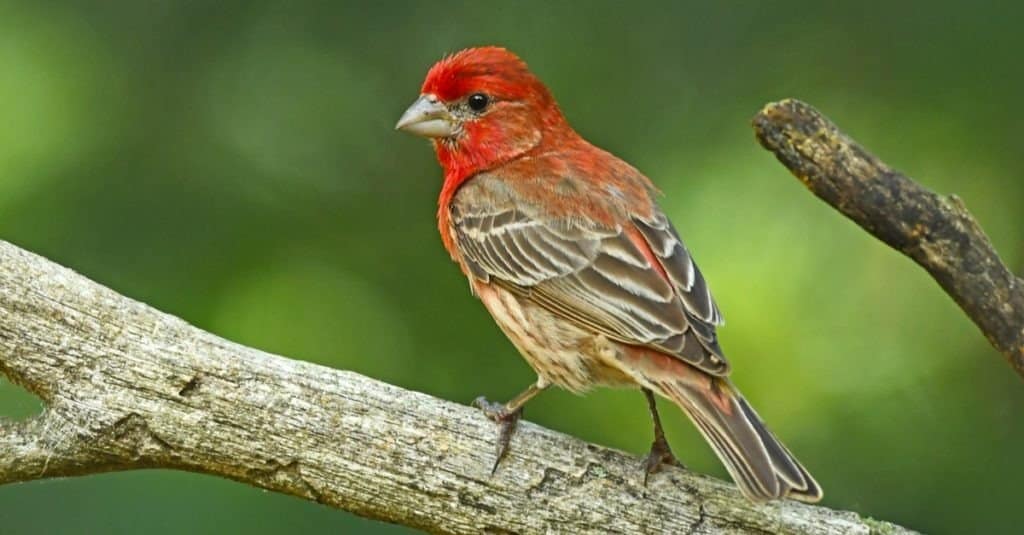
Color mutations in finches have always fascinated me because they reveal just how diverse these small birds can be. Each mutation shifts the balance of pigmentation in feathers, skin, or eyes, often producing shades that don’t appear in wild populations. As I’ve spent more time observing different species, especially within captive breeding settings, I’ve grown to appreciate how these color variations form a world of their own. They change not only how a bird looks but also how it interacts with light, other birds, and its environment. Some mutations soften the natural colors, while others amplify them into striking displays. The more I see, the more I notice how these traits help tell each bird’s own genetic story.
Color mutations can occur naturally or through selective breeding, but the beauty remains the same. These changes don’t alter the personality of a finch or its ability to thrive with proper care. Instead, they offer layers of visual interest for anyone who enjoys keeping or observing these birds. I’ve also found that understanding these variations helps make identification easier, especially in aviaries where multiple morphs coexist. Over time, certain mutations have become especially popular because of their vibrancy or rarity. The following sections explore ten of the most recognizable finch color mutations that continue to stand out in collections around the world.
Dilute Mutation
The dilute mutation lightens the overall color by reducing the amount of melanin pigment. Birds with this mutation often appear washed out, as if their natural shades have been softened. I’ve always liked how dilute finches maintain the same distribution of patterning but without the deep contrast found in standard birds. It makes identifying them fairly simple once you understand how the shade shifts. The feathers can appear pastel, and the eyes sometimes take on a slightly lighter tone as well. These birds are captivating because the mutation doesn’t strip color completely. Instead, it gives the impression that each feather was brushed with a softer, gentler palette.
Dilute finches also stand out when they perch next to normal-colored birds because their feathers reflect light differently. They can appear more luminous under the right lighting conditions, especially during early morning hours. Their overall gentleness of tone makes them a favorite among breeders who enjoy subtle beauty.
Pied Mutation
Pied finches display irregular patches of white or pale feathers across the body. These patches can range from tiny speckles to large blocks that cover most of the bird’s plumage. In my experience, the pied mutation is one of the most unpredictable. No two pied finches ever look exactly alike, which adds excitement to observing new chicks as they develop. Some may have symmetrical patches, while others present random splashes that make each bird unique.
Pied patterns can appear on the head, wings, tail, or chest. The randomness contributes to their popularity, because each bird becomes a one-of-a-kind combination of pattern and color. I also find pied finches easier to spot in an aviary, especially when they move among more uniform color types. Their bold contrast gives them a distinctive character.
Lutino Mutation
The lutino mutation removes dark pigments, leaving the bird with bright yellow or orange tones and red eyes. It’s one of the most striking mutations I’ve seen because the color glows vividly under natural light. The feathers often have a soft sheen, and the eyes add an exotic touch that immediately distinguishes lutinos from standard birds. Their appearance draws attention even among people who aren’t deeply familiar with finch mutations.
Lutino finches need proper care to maintain feather quality because the lighter pigmentation can make imperfections more noticeable. When well cared for, however, they showcase a purity of color that adds vibrancy to any collection. Their brightness often makes them appear larger or more prominent among other birds even though their size stays the same.
Fawn Mutation
Fawn finches carry a warm brownish tone that replaces darker melanin-based markings. I’ve always found them elegant because the color shift creates a soft, earthy appearance. The fawn mutation often blends beautifully with lighter pigments, giving the bird a naturally warm look. Instead of stark blacks or grays, fawn finches reveal a gentle cocoa or cinnamon shade that makes their markings more delicate.
Among different finch species, the fawn mutation consistently produces pleasing results. It doesn’t overpower the bird but enhances its natural patterns. In larger aviaries, fawn finches blend seamlessly with natural surroundings, especially wooden perches and branches that mirror their feather tones.
Pastel Mutation
The pastel mutation reduces melanin and carotenoid pigments, producing a mild, smoky effect. Birds with this mutation look as though their colors have been softened and slightly blurred. The tones appear muted rather than washed out, creating a pleasing harmony across the body. I’ve noticed that pastel finches often look particularly beautiful in diffused sunlight, where their muted tones create a gentle glow.
The pastel mutation is subtle compared to more dramatic ones like lutino or pied, but that subtlety is part of its appeal. It produces a calming appearance that works well in mixed aviaries where too much contrast might feel overwhelming. The evenness of color also makes pastel birds look exceptionally smooth-feathered.
White Mutation
White finches lack visible pigmentation, giving them an all-white appearance. Their eyes may appear dark or red depending on the underlying genetics. Every white finch I’ve observed carries an air of purity and simplicity that makes them visually striking among more colorful birds. The absence of color puts full attention on their form and movement, which highlights their graceful behavior.
Caring for white finches involves a bit more attention because stains or feather imperfections show easily. However, their beauty makes the effort worthwhile. The clean, even tone of their plumage enhances their presence, especially when they sit alongside more patterned finches.
Orange-Breasted Mutation
The orange-breasted mutation introduces a vibrant, warm-toned patch on the chest, replacing the usual coloration. This mutation stands out because the orange tone often intensifies with maturity, giving adult birds a rich, glowing center. I’ve always enjoyed watching juvenile birds develop this color as they age. The gradual shift adds a sense of progression that makes each molt interesting.
The orange-breasted mutation complements many other color types, creating combinations that look especially vivid in social groups. These birds often draw attention first in a mixed setting because the chest patch contrasts beautifully with the rest of their body.
Cinnamon Mutation
The cinnamon mutation transforms dark pigments into a warm reddish-brown. It creates an inviting, autumn-like tone that makes the bird look exceptionally soft. I’ve always admired how the cinnamon mutation gently modifies markings without removing them entirely. Patterns remain visible, but with a cozy, warm shift that feels natural and appealing.
In certain finch species, the cinnamon mutation enhances contrast between the wings and the body, making the bird look more refined. The feather texture also appears smoother due to the uniformity of tone. The charm of cinnamon birds often lies in the balance between color richness and softness.
Silver Mutation
The silver mutation produces a cool-toned, grayish appearance that replaces most of the bird’s natural color. The effect creates a sleek, almost metallic quality, especially under artificial light. I’ve found silver finches particularly eye-catching because their color changes subtly depending on lighting conditions. Sometimes they appear pale gray, while other times they take on a deeper slate tone.
The silver mutation retains the pattern layout of the standard bird, but the absence of warm pigments shifts the entire look. Among other birds, silver finches often appear more modern or polished, making them popular among breeders who appreciate unique tonal variations.
Black Mutation
The black mutation increases melanin, darkening the bird’s entire appearance. Birds with this mutation often look bold and dramatic, sometimes showing glossy feathers that capture light beautifully. Their darker tones create strong contrast with any brighter or lighter birds in the aviary. I’ve always admired the presence of black finches because their color gives them a naturally commanding look.
The increased pigmentation sometimes deepens the eyes and beak color as well, adding to the intensity. These birds look particularly striking against natural wooden backgrounds or in flight where the deeper tones create a strong visual silhouette.
Final Thoughts
Color mutations expand the world of finch keeping in ways that continue to inspire me. Each mutation adds character and variety, showing how genetics can transform even the smallest details. Watching these birds interact in mixed groups reveals how each mutation contributes a distinct visual element, making aviculture more rewarding and creative. Whether subtle or dramatic, each mutation brings its own beauty and story to the aviary. If you need another article, another set of mutations, or a rewrite with added detail, I can prepare it anytime.