
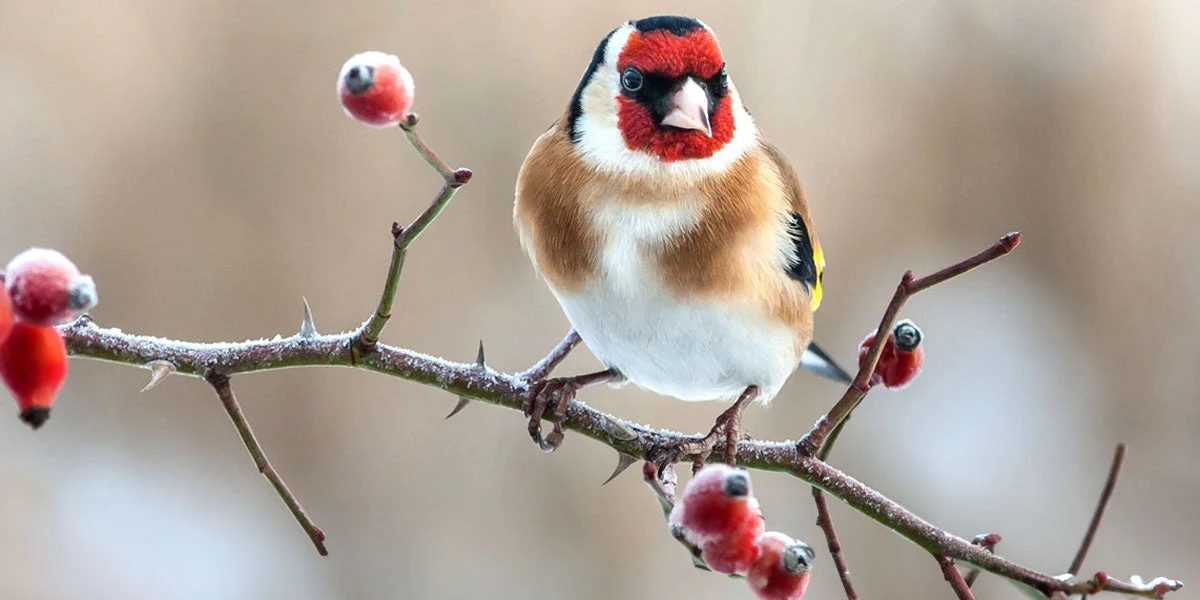
Eating habits reveal a lot about how a finch stays healthy, energetic, and emotionally balanced, so I pay close attention to the food I offer mine. The more time I’ve spent caring for these little birds, the more I’ve realized that their diet is not just a matter of seeds; it’s a reflection of their natural instincts, their metabolism, and the environment they come from. Comparing what they eat in the wild to what they get in captivity has helped me understand why some finches thrive while others struggle, and it has pushed me to create a feeding system that aligns with how their bodies are built to function. Exploring this contrast gives a clear picture of what they need to maintain strong feathers, a stable mood, and overall health.
Wild Finch Foraging Behaviors
Wild finches rely heavily on movement and exploration to find their meals, and this shapes their entire feeding routine. They do not sit in one spot with a consistent pile of food waiting for them; instead, they hop from plant to plant, searching for whatever nature provides at that moment. This constant foraging keeps them active, mentally stimulated, and fully engaged in their surroundings. Their bodies are adapted to eating small amounts at different times of the day, and this rhythm supports strong digestion and steady energy.
One thing I often think about is how unpredictable their food sources are. Wild finches deal with seasons that shift dramatically. During warm months, food is abundant and varied, but during colder periods, they may rely on whatever hardy seeds and dried vegetation they can find. This unpredictability forces them to diversify their intake naturally, which keeps their immune systems challenged in a healthy way and prevents nutritional imbalances from forming. Their instinct to keep searching makes them flexible eaters who can adapt to changes in nutrient availability.
Seeds Wild Finches Commonly Eat
Seeds form the backbone of a wild finch’s diet, but not all seeds are alike. In nature, finches crack open fresh grasses, wild weeds, and seasonal plants. These seeds tend to be soft, full of natural oils, and packed with nutrients that have not been processed or aged. The freshness of wild seeds plays a huge role in the bird’s overall health, because they contain living enzymes and moisture that are absent in many commercial seed mixes.
Whenever I think about what my finches might be missing in captivity, seeds are the first thing I analyze. In the wild, finches get a rotating mix based on what is growing that week. That means millet one day, small grass seeds the next, and various plant varieties depending on wind, rain, and temperature. They do not get stuck eating the same seed blend repeatedly, which means their nutritional profile changes constantly. This dynamic intake supports better feather condition and prevents long-term deficiencies that sometimes show up in pet finches.
Natural Greens and Plant Material
Wild finches rarely ignore fresh greens. They nibble on young plant shoots, tender leaves, and small bits of vegetation they come across while searching for seeds. These greens provide hydration, fiber, and micronutrients that seeds alone cannot offer. Watching my finches react to fresh greens in captivity has made it clear that this part of their diet satisfies an instinctive need. Even the pickier birds usually show curiosity when presented with anything resembling natural plant material.
Vegetation also helps regulate digestion, something wild finches benefit from without even thinking about it. In captivity, digestive issues seem to appear more often, mostly because birds are fed dry seed mixes with no balance from fresh plant matter. Wild finches do not have this issue because they naturally combine seeds with moisture-rich greens, which support smooth digestion and reduce strain on their system. This combination is part of why wild birds often have vibrant feathers and consistent energy.
Insects as a Natural Protein Source
Protein is an important part of a wild finch’s diet, especially during breeding season or periods of rapid growth. Insects provide highly digestible amino acids that seeds alone cannot supply. Watching finches in nature, you notice how quickly they snatch up small insects, larvae, and tiny bug parts that hide in vegetation. This natural hunting behavior gives them the nutrients they need to build muscle, repair tissue, and support healthy feather growth.
In captivity, this part of their diet is often missing or heavily reduced. Many owners assume seed mixes are enough, but the lack of insect protein can lead to weaker singing, duller feathers, and slower recovery from stress or illness. After introducing occasional insects to my finches’ routine, I noticed improvements in their posture, color, and activity level. The difference made it clear that wild finches rely on insects not as an optional treat but as a key nutritional component.
Seasonal Variations in Wild Diets
The natural world changes constantly, and wild finches adapt their diets to these shifts. During wetter seasons, plants flourish and insects multiply, giving finches an extremely varied menu. They have access to fresh greens, soft seeds, and abundant protein sources. Their bodies respond with strong breeding behavior, bright plumage, and high activity. As the seasons dry up or temperatures fall, their diet shifts toward dried seeds and tougher vegetation.
This seasonal contrast plays a huge role in shaping their digestive strength and immune resilience. Wild finches become competent at processing different types of food because their environment forces them to adjust. In captivity, on the other hand, the diet often remains the same year-round. That consistency may seem positive, but it can create nutritional stagnation. Recognizing how much variety wild finches encounter has helped me realize the importance of rotating foods at home.
Captive Finch Diet Essentials
When caring for finches in a home environment, the diet has to be intentionally planned because they cannot forage naturally. I think of diet as one of the main pillars of health, alongside safe housing and stress control. Since their bodies are designed for diversity, feeding them a single seed mix day after day does not reflect what their digestive systems truly expect. Instead, I aim to replicate the principles of a wild diet through thoughtful food combinations.
Captive finches thrive when they are given a balance of high-quality seeds, fresh greens, moisture-rich foods, and occasional proteins. The key is offering these elements consistently without overwhelming the birds. A stable feeding structure brings out their best behavior, improves their singing, and strengthens their overall resistance to illness. A controlled and intentional diet mirrors the variety of the natural world while keeping things safe and predictable.
Seeds in Captivity and Their Limitations
Most finch owners start with seed mixes because they are convenient and widely available. However, not all seed blends are created equal. Some contain mostly filler seeds that offer little nutritional diversity. Others sit on shelves for long periods, losing freshness and essential oils. When I realized how different packaged seeds are from the fresh grass heads wild finches eat, I began to adjust my approach.
Captive seeds can still be part of a balanced diet, but they should not be the only food offered. A mix that includes millet, canary seed, and a few smaller varieties can provide a decent base, yet the missing freshness has to be compensated with other foods. Seeds in captivity also lack natural moisture, so finches must drink more water to stay hydrated. This discrepancy is one more reason I integrate additional foods into their routine to replicate the complexity of a wild menu.
Fresh Foods That Support Captive Health
Fresh plants and vegetables bring a natural vibrancy to a finch’s daily routine. Offering leafy greens, sprouted seeds, small bits of vegetables, and even fresh herbs creates an environment that feels much closer to the wild. I’ve always noticed how quickly finches investigate anything that resembles wild vegetation, and their enthusiasm shows how much they crave variety. Fresh foods provide hydration and nutrients that dry seeds cannot replicate.
Sprouts, in particular, are one of the most powerful additions to a captive diet. They take dry seeds and transform them into living, enzyme-rich food that mirrors the seeds finches would find during rainy seasons. Introducing sprouts made a noticeable difference in my birds’ energy, feather texture, and overall alertness. It became clear that fresh foods are not just beneficial additions but essential components of a well-rounded diet.
Protein Options for Captive Finches
Providing protein for finches in captivity is easier than many people assume. While live insects can be fed, there are also safer and more accessible options such as dried insect crumble or egg-based protein foods formulated specifically for small birds. During breeding season, molting periods, or recovery from stress, protein becomes even more important. I’ve seen finches become stronger, more active, and more vocal when their protein levels are balanced correctly.
The important thing is not to overwhelm them with too much protein. Wild finches get insects seasonally and in moderate amounts, so I treat protein foods as periodic supplements rather than daily staples. By aligning the frequency with natural patterns, I help their system adjust smoothly without throwing off their digestion. This approach mimics the instinctive rhythm they follow in the wild.
Matching Captive Diets to Natural Needs
One of the most helpful things I’ve learned is that the goal is not to copy the wild diet exactly but to match its principles. Wild finches rely on diversity, freshness, and instinctive foraging patterns, all of which can be simulated in a home environment. By offering a rotating selection of foods, providing fresh items regularly, and avoiding overly repetitive meals, I’ve watched my finches become more vibrant and resilient.
This balance supports their immune system, their feather quality, and even their behavior. Finches thrive when their food stimulates them both nutritionally and mentally. The closer the diet aligns with their natural habits, the healthier and happier they become. Paying attention to these small details has made a noticeable difference in the longevity and vitality of the finches I care for.