
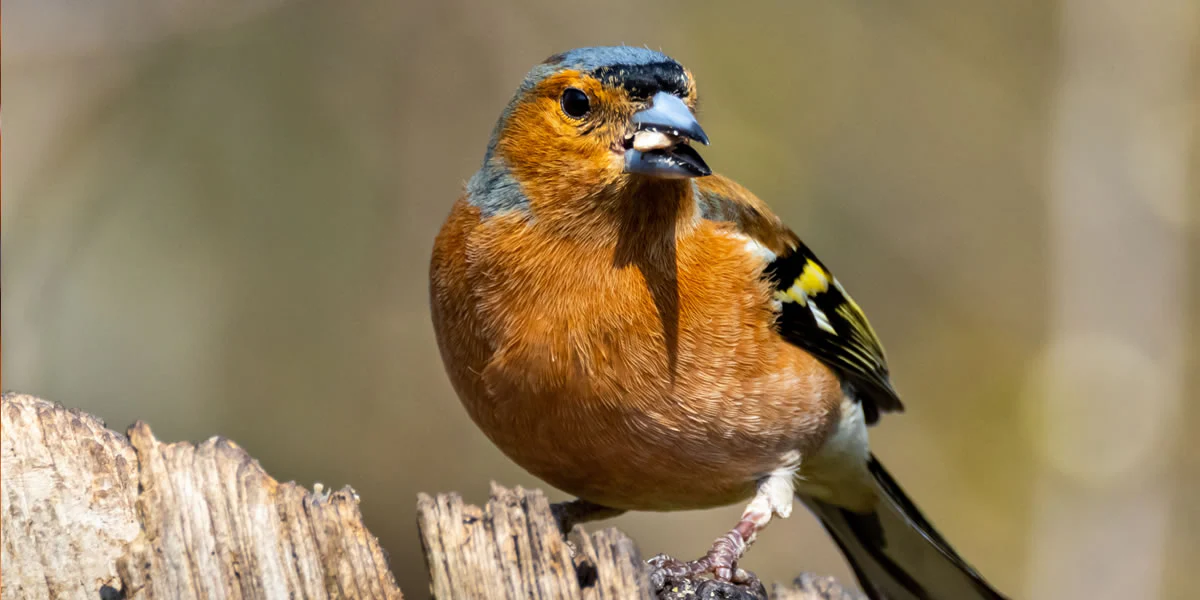
Finches are naturally lively birds that thrive on routine, gentle surroundings, and a sense of safety. Over time, I’ve noticed that even small changes in their environment can affect their behavior in ways that reveal stress long before illness shows up. Paying attention to these signals has helped me step in early, adjust their surroundings, and bring them back to a calm and balanced state. Stress in finches doesn’t always show up dramatically, but subtle behavior shifts tell a deeper story that every bird owner needs to read closely.
Changes in Activity Levels
One of the most immediate signs I notice is a sudden shift in how active my finches are during the day. Finches are usually busy hopping between perches, chirping to one another, and exploring their cage. If mine suddenly become unusually quiet or seem hesitant to move around, I take that as a sign that something is off. Activity patterns can change due to loud noise, temperature fluctuations, or even a cage position that suddenly feels unsafe.
How I Respond to Activity Changes
The first thing I always do is scan the environment for anything that could have disrupted their sense of comfort. Sometimes it is something as simple as a new appliance making unfamiliar noise or the cage being too close to a doorway. I also check the temperature and ensure the lighting in the room matches their natural rhythm. Once I correct the disturbance, their energy usually returns to normal over the next few hours or days. Slow recovery tells me I may need to examine their diet or monitor them more closely for health issues.
Unusual Aggression or Irritability
Finches have gentle dispositions and prefer calm coexistence. Any sudden outbursts, such as chasing cage mates or pecking more aggressively than usual, signal that they are feeling overwhelmed. I have watched finches become territorial when stressed, especially in situations involving overcrowding or changes in social dynamics within the cage. This behavior is not typical unless something is agitating them to the point of affecting their temperament.
How I Handle Aggressive Behavior
To manage this, I always give them more space if possible by expanding the cage layout or adding additional perches and hiding spots. These birds feel safer when they have multiple places to retreat instead of confronting each other. I also monitor the group dynamic in case one bird is being bullied or excluded. Sometimes moving perches, toys, or food bowls reduces the competition and helps restore balance. If aggression persists, temporary separation allows them to reset without escalating tension.
Changes in Eating or Drinking Habits
Another clear sign of stress is inconsistent eating or drinking patterns. My finches usually rush to their food in the morning, so I take notice quickly if their bowls remain untouched. Stress can suppress appetite or cause them to pick at food without enthusiasm. On the other hand, some finches may drink more than usual when anxious, especially if their cage environment has changed suddenly.
What I Do When Eating Patterns Shift
I always start by refreshing their food with clean seeds, fresh greens, or fruits they typically enjoy. Sometimes the simple act of giving them something familiar helps spark their appetite again. I also clean the food and water containers thoroughly, because stress can make them more sensitive to small irritants like stale water or dust from seed husks. If any bird continues avoiding food despite environmental corrections, I begin monitoring them for signs of illness or call a vet if the issue lasts too long.
Feather Plucking or Poor Feather Condition
Healthy finches keep their feathers in excellent condition through constant grooming. When stress builds up, I’ve seen them start to neglect this routine or begin plucking at their feathers more than usual. Over-preening creates patchy areas, frayed feathers, or thinning spots that are impossible to ignore. It reflects how their emotional state is interfering with their natural behavior.
Steps I Take to Improve Feather Health
Anytime I notice feather issues, I look for environmental stressors like dry air, loud disturbances, or the introduction of new pets. I also place a shallow bath in the cage since bathing helps relax them and encourages better grooming habits. Providing natural branches and textured perches allows them to groom more comfortably. If the feather condition worsens, I start checking for mites or other medical reasons, because stress and health problems often overlap.
Restlessness and Constant Flying
While inactivity can point to stress, the opposite behavior can be just as telling. I’ve seen my finches fly frantically from one end of the cage to the other or hop nervously without settling. This type of restlessness usually hints at sudden fear, a disrupted routine, or insufficient stimulation. It often happens after a move, a new pet entering the house, or too much noise in their surroundings.
How I Calm a Restless Finch
My first step is always minimizing external disturbances. I close windows if outside noise is too stimulating or dim the lights slightly to help them relax. Rotating toys or adding new items for enrichment helps redirect their nervous energy into healthy exploration. I also make sure their cage is located in a room where human movement and sounds are steady but not overwhelming, since unpredictable noise tends to amplify stress.
Creating a Stable Finch Environment
A calm environment plays the biggest role in preventing stress altogether. A few adjustments consistently help my finches settle into predictable routines that reduce anxiety. Stable lighting patterns simulate natural daylight, which regulates their internal clock. A clean cage with adequate space and fresh air makes them feel secure and comfortable. Avoiding overcrowding prevents territorial issues that can arise even in peaceful birds.
How I Maintain Consistency Daily
I maintain a schedule for feeding, cleaning, and interacting with my finches. They thrive when they know what to expect throughout the day, and too many sudden changes make them skittish. I rotate toys gradually instead of introducing many new ones at once, and I keep external stimuli like loud music or sudden movements to a minimum. When I have visitors or other pets around the house, I stay mindful of their reactions and adjust accordingly.
Supporting Emotional Health Through Enrichment
Finches need mental and physical stimulation to stay balanced. Stress often comes from boredom as much as from fear. I’ve learned that enrichment is not simply decorative; it shapes their emotional wellbeing. Toys that encourage gentle movement, mirrors for social comfort, and swings for relaxation help them stay engaged without feeling pressured.
What Works Best for My Finches
I rotate perches made from different textures, add natural branches, and include toys that allow them to nudge or explore without overwhelming them. Too many toys can clutter their environment, so I keep a balance between stimulation and open space. I also play soft background sounds or nature recordings occasionally, which seem to soothe their mood and encourage calm behavior.
Monitoring New Stressors Early
Finches react strongly to change, and I always remind myself to monitor them closely whenever I adjust anything in their routine. Even a new perch can feel disruptive for a bird that depends on familiarity. I observe their reaction to new setups, food, or surroundings so that I can act quickly if something doesn’t sit right with them.
How I Track Behavior Changes
I take note of how active they are, how their feathers look, and how they interact with each other whenever I alter the environment. These small observations help me pinpoint stressors before they escalate. If I notice a repeated pattern, such as restlessness after a certain noise or aggression around a certain perch, I make targeted changes to eliminate the cause.
Knowing When Professional Help Is Needed
While stress explains many behavior changes, some symptoms may overlap with illness. I’ve learned that hesitation can make things worse, so I act quickly if improvements don’t happen after environmental adjustments. A professional can identify underlying health problems that might be overshadowed by what looks like stress on the surface.
Signs That Push Me to Seek Help
If a finch stops eating completely, shows major feather loss, becomes extremely lethargic, or isolates itself for long periods, I treat these signs as urgent. Stress should ease once the environment becomes calm again, so persistent symptoms signal deeper issues. A check-up gives clarity and reassurance, which is better than waiting and risking a serious condition.
Final Thoughts
Recognizing stress in finches has become second nature to me because their well-being depends so heavily on the environment I provide. Their behaviors reveal far more than most people expect, and tuning into those signals allows me to respond before small issues become major problems. By adjusting their surroundings, offering enrichment, and maintaining consistency in their daily routine, I’m able to keep them healthy, relaxed, and vibrant. Caring for finches becomes much more rewarding when I understand what their behavior is trying to tell me and step in with calm, thoughtful solutions every time stress shows up.