
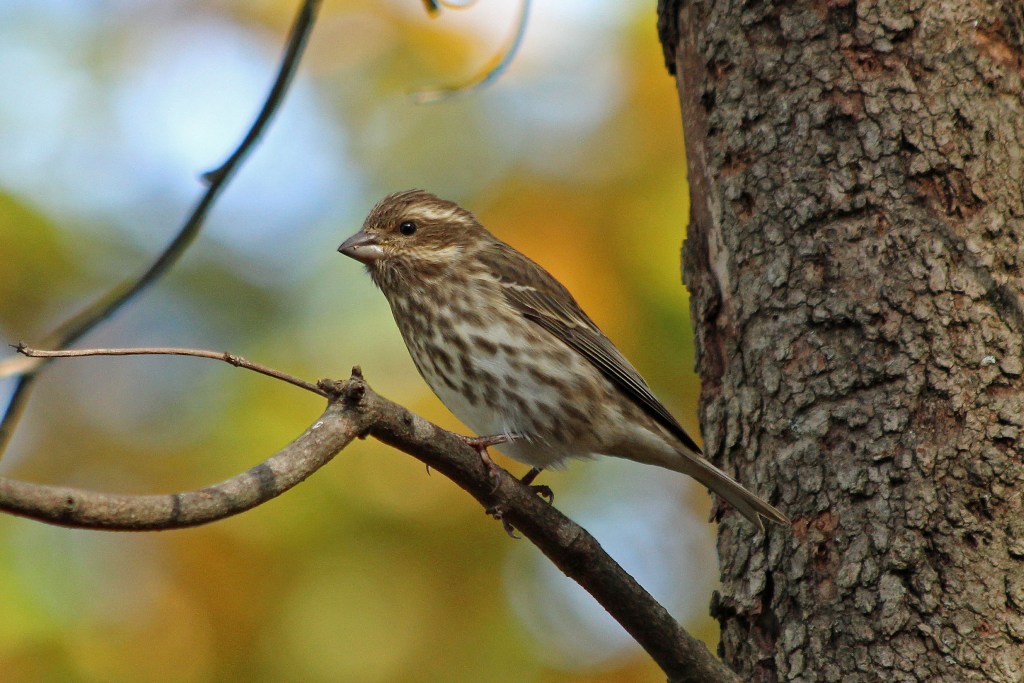
Many finch keepers eventually reach a point where they want a species that offers reliability, calm behavior, and strong parental instincts. After keeping several finch species over the years, I kept hearing enthusiastic praise about the Bengalese finch. Some bird keepers call it the most dependable finch for breeding, while others view it as the perfect foster parent for more delicate species. The more experience I gained with these birds, the clearer it became why they have earned such a strong reputation. In this article, I break down what truly sets the Bengalese finch apart, how it behaves in a breeding environment, and whether it deserves its title as the best finch for breeders.
A Finch With a Calm Temperament
The Bengalese finch stands out immediately because of its steady temperament. I noticed how comfortable they are living in groups, rarely showing the skittish or territorial reactions that can create tension in mixed aviaries. They interact with one another in a smooth, rhythmic way, and their soft, repetitive calls add to the peaceful atmosphere.
This calmness becomes especially helpful during breeding. A stressed pair often abandons eggs or becomes aggressive toward each other, but Bengalese finches respond differently. They settle into nesting routines with remarkable consistency. Once they commit to raising a clutch, they tend to stay attentive throughout incubation and chick feeding. The stability of their demeanor reduces the need for constant monitoring, allowing the breeding process to unfold naturally.
Why Their Parental Instincts Stand Out
One of the reasons breeders admire Bengalese finches is their exceptional parenting ability. They display a level of dedication that many other finch species struggle to match. I’ve watched these birds feed their chicks with a steady rhythm, switching between parents with almost perfect coordination. Even younger or less experienced pairs show surprising maturity when raising their first brood.
Their parental skills also explain why they are commonly used as foster parents for other finch species. If a more delicate finch abandons its eggs or fails to provide enough care, breeders often turn to Bengalese pairs. The Bengalese finch readily accepts eggs that are not their own, incubates them consistently, and feeds the resulting chicks without hesitation. This behavior is rare among finches and makes them invaluable for conservation and breeding programs that involve species prone to nest failure.
Their Unique History as Domesticated Finches
The Bengalese finch is not found in the wild. This detail surprised me when I first learned about it. These birds are entirely domesticated, descended primarily from the white-rumped munia. Because of that long history of selective breeding, they carry traits that make them incredibly adaptable to human-managed environments.
Generations of breeding have strengthened their tolerance for captive life. They remain calm when handled, adapt quickly to new enclosures, and thrive in different types of setups. Their domesticated nature also explains why they come in so many color variations. Browns, whites, chocolates, pieds, and other combinations are all common and easy to find. This variety gives breeders and hobbyists plenty of options when forming pairs or designing aviary groups.
Housing and Environmental Needs
Even though Bengalese finches are domesticated, they still appreciate thoughtful housing. I’ve seen them thrive most in spacious cages or aviaries where they can fly comfortably from perch to perch. Their activity level stays moderate, but they do enjoy short bursts of flight, especially in the early morning and late afternoon.
Providing a steady light cycle helps keep their breeding instincts regulated. Too much light or inconsistent schedules can disrupt their egg-laying patterns. I’ve noticed they settle quickly when the enclosure offers both privacy and open spaces. A balanced environment prevents stress and encourages a natural breeding rhythm. They do well in both indoor and outdoor aviaries as long as the temperature stays within a safe range, generally avoiding extremes on either end.
Diet That Supports Fertility and Chick Growth
A balanced diet plays a huge role in the success of Bengalese finch breeding. Even though these birds can adapt to basic seed mixes, incorporating additional nutrients significantly improves outcomes. Higher protein content, especially before and during breeding, helps stimulate egg production and supports healthy chick development.
I’ve had great results offering egg food, sprouted seeds, millet sprays, and small amounts of leafy greens. Their feeding routine becomes more vigorous as chicks hatch. The parents take turns filling their crops with soft foods, then returning to the nest to feed the chicks. Supplying a varied diet ensures the chicks receive enough nutrients to grow steadily without developmental problems. Calcium sources, such as cuttlebone or mineral blocks, also play an important role in maintaining strong eggshell quality.
The Nesting Behavior That Makes Breeding Easier
One part of Bengalese finch care that I find particularly rewarding is watching their nesting behavior. They approach nest building with enthusiasm, gathering materials and shaping the interior with surprising precision. Whether using enclosed nest boxes or open-style nests, they adapt easily.
Their instinct to sit tightly on the clutch contributes greatly to breeding success. Once the female starts incubating, she maintains steady warmth, and the male often joins in or remains close by to share duties. This teamwork continues after hatching. The chicks receive almost constant attention, which keeps them warm and well-fed during the early days when their survival is most fragile.
This reliable behavior contrasts with some finch species that abandon nests too quickly or become easily startled. The Bengalese finch’s steady commitment makes it ideal for anyone who wants predictable breeding outcomes without constant intervention.
How They Compare to Other Popular Breeding Finches
Comparing Bengalese finches to species like zebra finches or society finches helps illustrate their strengths. Zebra finches breed rapidly and often, but they can be unpredictable parents. Some pairs do a great job, while others abandon nests or break eggs. Society finches, in many ways, resemble Bengalese finches in their calm nature and strong parenting instincts, but Bengalese finches tend to be more attentive to chicks and often produce better results when used as fosters.
For breeders who want precision and high success rates, the Bengalese finch offers a level of reliability that is hard to match. Their combination of gentle personality, consistent egg incubation, and dedicated chick feeding places them at the top of many breeder lists.
Their Role as Foster Parents for Other Finch Species
One of the most remarkable features of the Bengalese finch is its willingness to rear chicks that are not genetically related to it. This ability plays a major role in the breeding programs of species with fragile reproductive success, such as Gouldian finches. If a delicate species abandons eggs due to stress, age, or environmental changes, a Bengalese pair can step in without hesitation.
I have seen Bengalese finches raise clutches from other species with exceptional care. They follow the same incubation schedule and feeding patterns as they would with their own eggs. This skill also allows conservationists to increase the population of rare or struggling finches that need extra help. In many aviaries, Bengalese finches serve as the backbone of breeding programs, ensuring that every viable egg has a chance to develop.
Keeping Their Breeding Cycles Healthy
Even though Bengalese finches are excellent breeders, they still need breaks between clutches. Their strong parental instincts can sometimes lead them to continue breeding without resting, which eventually strains their health. Managing their breeding cycles prevents problems like nutrient depletion, weight loss, or fatigue.
I’ve had good success allowing pairs to raise only a few clutches per year with rest periods in between. Removing nests temporarily, reducing high-protein foods, and adjusting the light cycle help signal to the birds that it’s time to pause. Once they have rested long enough, reintroducing nest boxes and improving diet cues them back into breeding condition. Proper pacing ensures long-term health and more consistent performance.
Their Social Nature in Mixed Aviaries
Another quality that makes Bengalese finches appealing is how well they coexist with other peaceful species. Their calm nature allows them to live comfortably in mixed aviaries with finches such as zebra finches, society finches, and Gouldians. They rarely show aggression unless a cage becomes overcrowded or food availability becomes limited.
Their social interactions stay gentle and predictable. They communicate through soft calls and seem to enjoy the presence of other finches as long as there is enough space. This flexibility makes them ideal for hobbyists who manage larger aviary environments rather than single-pair cages.
Why Beginners Benefit From Working With Bengalese Finches
Beginners often struggle with species that require delicate handling or strict conditions. The Bengalese finch reduces these challenges significantly. Their forgiving nature makes them easy to learn from, and their predictable parenting teaches new breeders the basics of incubation timing, chick growth, and fledging behavior without overwhelming stress.
The variety of color mutations gives newcomers plenty of attractive options, while the species’ reliability allows them to gain experience with fewer setbacks. Even if mistakes happen, Bengalese finches tend to adapt well. Their resilience provides a smoother learning curve compared to more sensitive species.
Challenges That Breeders Should Keep In Mind
While Bengalese finches offer many advantages, they still come with considerations that breeders must address. Their strong breeding drive means they may overproduce if not managed carefully. They can also become dependent on breeding if nest boxes remain available continuously.
Another consideration is their domesticated nature. Because they are not wild birds, they lack the natural instincts that some species rely on for survival in more naturalistic aviaries. They thrive best in environments where they receive regular human support. This doesn’t mean they are difficult, but breeders should be aware of their needs so they maintain optimal health.
Are Bengalese Finches Truly the Best for Breeders?
After spending time with them, observing their habits, and comparing them to other species, I understand why many people rank Bengalese finches at the top. They offer a rare combination of traits: a calm nature, strong parental instincts, adaptability, and a willingness to foster eggs from other species. These qualities make them valuable partners for both experienced breeders and newcomers.
Their reliability during incubation and chick feeding stands out the most. The confidence they inspire becomes especially noticeable when raising more sensitive species. Their domesticated history has shaped them into birds that thrive in human care, making them ideal for structured breeding programs.
Conclusion
The Bengalese finch deserves every bit of praise it receives from breeders. Its gentle behavior, impressive parenting abilities, and adaptability make it one of the most reliable finches for consistent breeding success. Whether someone wants a dependable pair to start their breeding journey or needs a skilled foster species to support more delicate finches, the Bengalese finch stands out as an exceptional choice. The more time I spend with them, the more I appreciate how they embody the best qualities a breeding finch can offer.