
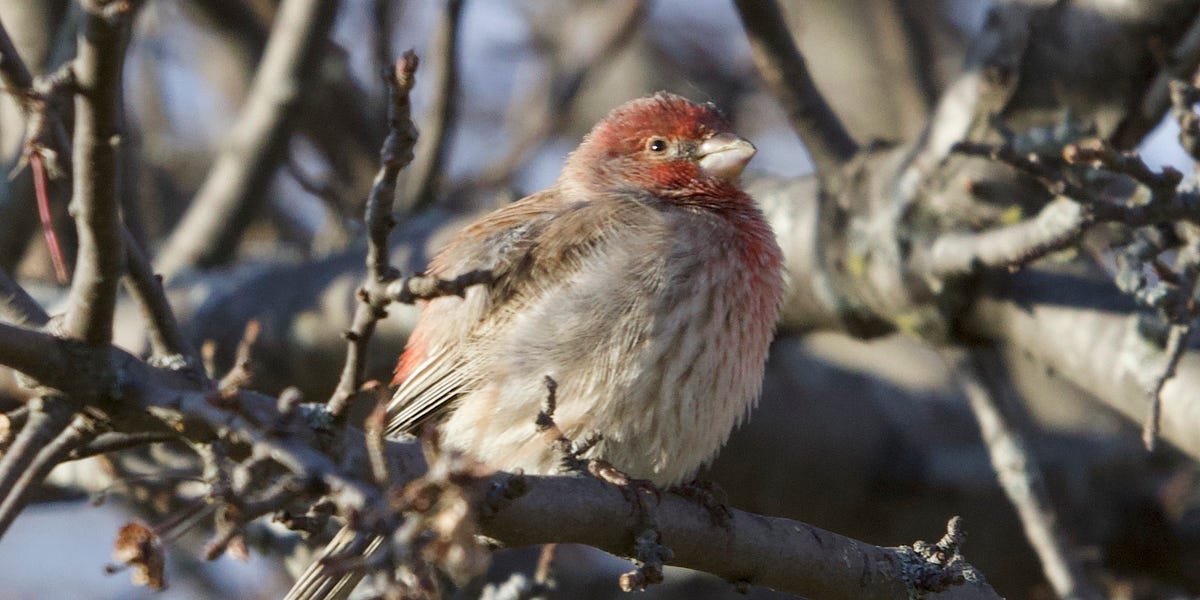
Caring for a sick finch requires patience, quick observation, and a calm approach because these small birds often hide symptoms until the situation becomes serious. Over the years, I’ve realized that the smallest changes in posture, appetite, or activity can signal that something is wrong. Acting early makes all the difference, and the steps I follow help me support my finches through illness with as much comfort and safety as possible.
Identifying Early Warning Signs
Finches rarely show dramatic symptoms at the beginning of an illness, so I rely heavily on subtle signals. I watch closely for changes in behavior such as reduced song, unusual stillness, or spending too much time at the bottom of the cage. A sick finch often becomes fluffed up, appearing rounder than usual as it tries to conserve warmth. I also keep an eye on their droppings because changes in color, consistency, or frequency provide valuable clues about digestive or respiratory problems.
Observing Behavior and Physical Appearance
A healthy finch is active, curious, and responsive. If I notice mine becoming lethargic, closing its eyes more often, or avoiding interaction with cage mates, I treat those shifts with urgency. I also check its breathing by watching the movement of the chest. Labored breathing, open-mouth breathing, or clicking sounds are signs that something may be developing in the respiratory system. Early recognition helps me intervene before the bird becomes too weak to respond to home care.
Separating the Sick Finch Safely
Whenever a finch shows signs of illness, I separate it from the rest of the flock immediately. This step protects the healthy birds and gives the sick one a quieter space to rest. I use a small hospital cage that has soft lighting, easy access to food, and fewer distractions. The smaller space helps prevent excessive movement while still giving the bird room to perch comfortably.
Setting Up a Calm and Comfortable Hospital Cage
I make sure the hospital cage has a simple layout, avoiding clutter that could make movement difficult for a weakened bird. The perches are placed low to prevent falls, and I use materials that are easy to grip. I also position the cage away from drafts and loud noises because a stable environment is crucial for recovery. Warmth plays a significant role, so I maintain a temperature that feels gentle but not overly hot.
Creating a Warm and Supportive Environment
A sick finch struggles to regulate its body temperature, so warmth becomes one of the most important elements of care. I use a heating pad under part of the cage or a low-wattage heat lamp placed at a safe distance. The goal is to create a warm zone without overheating the entire cage, allowing the bird to move toward cooler areas if needed. Warmth helps reduce stress and gives the bird more energy to fight illness.
Maintaining Ideal Temperature Levels
I check the temperature frequently to avoid extreme fluctuations. A range between 24°C and 29°C usually keeps the finch comfortable. Sudden drops in temperature can worsen respiratory symptoms, while excessive heat can cause dehydration. I also cover part of the cage with a light cloth at night to help retain warmth without blocking airflow, creating a cozy resting space that still feels breathable.
Monitoring Food and Water Intake
Illness often reduces a finch’s appetite, but nutrition is essential for recovery. I offer foods that are easier to eat and more appealing, such as soft egg food, soaked seeds, or finely chopped greens. Sometimes I add electrolyte solutions to their water to support hydration, especially if the bird is drinking less than usual. I change the water often because sick birds can contaminate it quickly.
Encouraging a Weak Finch to Eat
I place food and water close to the perches so that the bird doesn’t have to exert too much energy. If the finch is too weak to reach the bowls, I temporarily raise them or use shallow dishes. In some cases, I hand-feed small amounts of soft food using a spoon or syringe, but only if necessary since forcing food can create additional stress. Gentle encouragement often helps them regain interest in food over time.
Maintaining Proper Hygiene During Care
Hygiene becomes critical when dealing with illness. A sick finch is more vulnerable to bacteria and environmental irritants, so I clean the hospital cage more frequently. I replace the paper lining daily and wipe down perches and bowls with mild, bird-safe disinfectant. This prevents secondary infections and keeps the recovery space fresh and manageable.
Preventing Spread of Infection
To avoid transferring anything between cages, I wash my hands before and after handling the sick bird. I also use separate feeding tools, perches, and toys. Cross-contamination can happen easily, especially in households with multiple birds, so these small precautions make a meaningful difference. I also monitor the healthy birds more closely during this period in case any symptoms appear.
Offering Gentle Supervision Without Causing Stress
While constant observation is important, hovering too closely can cause unnecessary stress. I check on the sick finch regularly but allow quiet periods where it can rest without interruption. Stress weakens the immune system, so maintaining a peaceful environment is just as important as medical care. Calm surroundings give the bird the best chance to recover.
Finding the Right Balance of Care and Space
I watch from a distance whenever possible and limit handling to essential tasks such as cleaning or giving medication. Loud voices, sudden movements, or frequent changes in the environment can slow the healing process. Establishing a predictable routine of feeding, cleaning, and monitoring keeps the bird comfortable and reduces anxiety.
Administering Medications and Supplements Properly
If a vet prescribes medication, I follow the instructions carefully to avoid overdosing or missing treatments. Sick finches are fragile, and proper dosage matters greatly. Some medications are mixed with water, while others require direct administration. I prepare everything in advance to minimize the time the bird is restrained. If supplements are recommended, such as probiotics or vitamins, I incorporate them gradually into the diet.
Handling Medication Safely and Calmly
I approach the bird slowly and gently, using a clean towel if restraint is necessary. Keeping the process brief helps reduce stress. I always monitor the finch afterward to ensure that no negative reactions occur. If the bird refuses medication mixed into food or water, I contact the vet for alternative options rather than forcing consumption in a risky manner.
Identifying Symptoms That Require Immediate Professional Care
Some signs indicate that home care may not be enough. If the finch shows severe respiratory distress, rapid weight loss, significant bleeding, seizures, or total refusal to eat for an entire day, I seek veterinary help immediately. Waiting too long can be dangerous because finches decline quickly once symptoms escalate.
Preparing for a Vet Visit
I keep a small carrier ready for emergencies. I line it with soft cloth and provide a low perch or none at all, depending on the bird’s condition. I bring a sample of droppings if possible because it helps the vet diagnose digestive or parasitic issues. Staying organized reduces stress for both me and the bird during urgent situations.
Supporting Recovery Through Nutrition and Hydration
As the finch begins to show signs of improvement, I gradually reintroduce its usual diet. I continue offering soft foods during the transition to avoid setbacks. Hydration remains important throughout recovery, so I refresh water regularly and keep electrolyte solutions available for a few more days. Slow and steady progression helps the bird regain strength safely.
Monitoring Progress During the Recovery Phase
I pay attention to increasing activity, improved feather condition, and brighter eyes. These signs show that the bird is regaining health. If progress stalls or symptoms reappear, I adjust the care routine or consult the vet. Every finch recovers at its own pace, so I stay patient and consistent with supportive care.
Reintegration Into the Flock
A recovering finch needs time before returning to its regular cage. I reintegrate slowly, making sure the bird is strong enough to perch normally, fly short distances, and compete for food. Sudden reintegration can cause bullying or stress, which risks undoing the progress made during recovery.
Ensuring a Smooth Return to Normal Life
I begin by placing the hospital cage near the main cage so the flock can see the recovering finch without direct interaction. This helps maintain familiarity and reduces tension. After a few days, I allow supervised time in the main cage, watching closely for aggression. Once everything seems stable, the finch can return fully.
Preventing Future Illness Through Routine Care
Preventative care plays a significant role in reducing future illnesses. I maintain clean cages, provide a balanced diet, offer bathing opportunities, and ensure proper ventilation and lighting. Regular observation helps me catch early signs without waiting for severe symptoms. Good care habits build a strong foundation for long-term health.
Strengthening Immunity Through Consistency
Stable routines give finches a sense of security. I keep feeding times consistent and avoid sudden changes in their environment. Stress weakens immunity, so maintaining calm surroundings keeps them healthier overall. Supplements such as cuttlebone, minerals, and occasional probiotics also support their system.
Final Thoughts
Handling a sick finch is delicate work that requires patience, attentiveness, and a steady approach. These small birds rely heavily on the care I provide, and even minor adjustments can make a major difference in their recovery. By recognizing early symptoms, offering a warm and clean environment, maintaining proper nutrition, and seeking professional help when necessary, I give my finches the best chance to heal. Every experience reinforces how important thoughtful care is, and the more I stay in tune with their needs, the better I can support them through illness and return them to full health.