
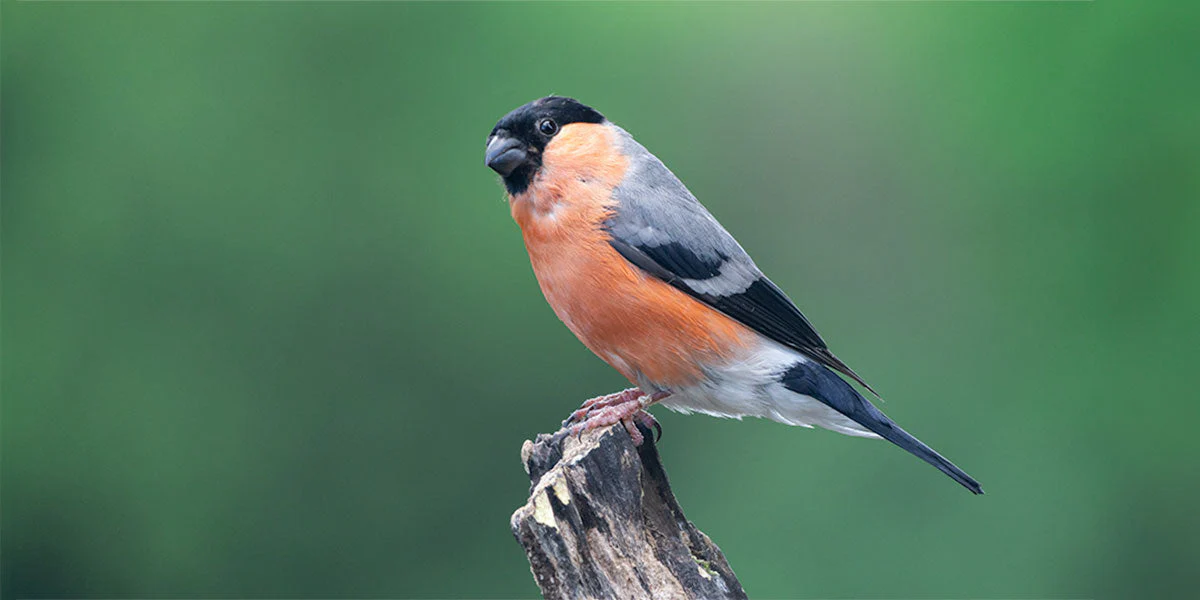
Feeding finches feels simple at first, but once I started paying closer attention to their diet, I realized how easy it is to offer foods that look harmless but pose serious risks. Finches have delicate systems, and even a small amount of the wrong food can lead to long-term health problems or sudden emergencies. I’ve learned to study every ingredient, every snack, and every treat before offering it, because their size and sensitivity make them far more vulnerable than most people expect. Over time, I’ve become careful, consistent, and selective with what I place in their dishes, and this awareness has made a huge difference in their health and behavior. The foods I avoid now are just as important as the foods I include.
Why Some Foods Are Riskier For Finches Than Others
Finches do not process foods the same way humans or larger birds do. Their small bodies react quickly to toxins, fats, salts, and chemicals that barely affect other animals. I realized early on that even a tiny bite of certain foods can overwhelm their digestive system or place too much strain on organs like the liver and kidneys. Their instincts help them avoid dangerous foods in the wild, but captivity removes that natural filter, leaving me responsible for every choice that enters the cage.
Another factor that increases their risk is the way finches eat. They peck quickly and often, taking in small amounts rapidly. If the food is harmful, they absorb that harmful compound immediately. That’s why paying attention to ingredient lists and preparation methods matters so much. Foods that seem safe at a glance can still contain oils, spices, preservatives, or residues that finches cannot tolerate. I’ve learned to inspect things closely and take no shortcuts, because one moment of carelessness can lead to a serious health incident.
The Hidden Danger Of Avocado
Avocado is one of the most dangerous foods I avoid completely. It contains a compound called persin, which is harmless to humans but toxic to many birds. Even a small piece can cause breathing issues, heart problems, or sudden death. The danger exists in the flesh, skin, pit, and even the residue from utensils used to cut it. Because of how unpredictable and severe the reaction can be, I treat avocado as a strict no-go for finches.
The biggest issue is that avocado looks soft, harmless, and nutritious, so it’s an easy mistake for owners to make. Once I learned the risks, I made it a rule to keep avocado out of the room entirely when preparing bird food. Avoiding cross-contamination gives me peace of mind and keeps the birds safe without guesswork.
Chocolate And Caffeine Are Extremely Toxic
Chocolate, coffee, tea, and anything containing caffeine belong on the strict avoidance list as well. They contain compounds like theobromine and caffeine that overstimulate the nervous system of small birds. A finch exposed to chocolate or caffeinated crumbs can experience seizures, irregular heartbeat, tremors, and rapid breathing.
Even baked goods containing small amounts of cocoa-flavored ingredients can be dangerous. Finches are curious and might nibble on something left on a table or near the cage, so I never leave chocolate-based snacks unattended. Keeping these items far from the birds prevents accidents and removes the risk completely.
Onion And Garlic Can Damage Red Blood Cells
Onion, garlic, and related foods might seem natural and harmless, but for birds, they are surprisingly dangerous. They contain sulfur compounds that can damage red blood cells and cause anemia. What makes them particularly tricky is that they appear in so many cooked foods and seasonings, so avoiding them requires awareness of ingredients and preparation methods.
I never offer cooked leftovers or foods that have been seasoned, sautéed, or flavored with onion or garlic. Even if the vegetables themselves aren’t visible, the juices and oils that seep into other foods can still cause harm. Keeping finch food plain and simple has proven to be the safest approach.
Alcohol, Fermented Foods, And Yeast-Based Dough
Alcohol is extremely toxic to finches, even in trace amounts. Their bodies cannot process it, and exposure can affect their liver and central nervous system almost immediately. I keep all alcoholic beverages far from their environment and make sure spills are cleaned thoroughly to avoid any accidental exposure.
Fermented foods and raw yeast dough are also harmful because they can expand in the digestive tract or produce alcohol as they break down. Even a tiny amount can cause discomfort or more serious consequences. Avoiding yeasted doughs, fermented snacks, and anything containing active yeast eliminates the risk completely.
High-Salt Foods Can Overwhelm Their System
Salt can cause dehydration, kidney strain, and electrolyte imbalance. Finches are so small that it doesn’t take much to overwhelm them. Salty snacks like chips, crackers, cured meats, seasoned rice, and processed foods belong nowhere near their diet.
Even foods that don’t taste particularly salty can contain hidden sodium. I always check labels when offering vegetables like canned corn or canned peas because the salt content is usually far too high for birds. Fresh, unseasoned foods are always the safer option.
Avian-Safe Fruits With Hidden Risks
Some fruits are safe, but the parts inside them can be dangerous. Apple seeds, for example, contain cyanide compounds, making them unsafe when fed whole. Pear seeds and cherry pits contain similar risks. I always remove seeds and pits thoroughly before offering fruit to the birds.
Another hidden risk is with fruits sprayed with pesticides or preservatives. Even fruits that are safe become dangerous when residue remains on the skin. Washing everything thoroughly and peeling when necessary keeps the birds protected from chemicals that their bodies cannot handle.
Junk Food And Processed Snacks Are Never Suitable
Processed human food tends to contain oils, preservatives, artificial colors, sweeteners, and additives that finches cannot digest properly. Cookies, pastries, biscuits, chips, candy, flavored cereal, and fast food create immediate digestive discomfort and long-term issues that build quietly over time.
Finches are especially sensitive to artificial sweeteners like xylitol, which can be fatal. Since packaging rarely lists every detail clearly, I avoid human snacks altogether. Even small amounts offered as treats can create habits that lead to bigger problems later. Sticking to bird-safe natural foods is always the best path.
Milk, Cheese, And Dairy Products Cause Digestive Issues
Finches lack the enzymes needed to break down lactose, so dairy products can cause bloating, diarrhea, and discomfort. Even birds that seem to nibble cheese or yogurt willingly will eventually show digestive upset. Because dairy offers no nutritional advantage to finches, eliminating it entirely is an easy and necessary decision.
I’ve seen many new bird owners assume dairy is harmless because it appears in small quantities, but the long-term impact can be significant. Keeping their diet free of dairy reduces stress on their system and keeps their digestion stable.
Foods Covered In Oils, Butter, Or Spices
Anything cooked in oil, butter, margarine, or heavy seasoning is unsuitable for finches. Their bodies are not designed to handle fats beyond minimal natural sources. Greasy foods coat the digestive tract, strain the liver, and can even cause feather problems over time.
Spices like salt, chili, pepper, turmeric, paprika, or curry can create irritation in the mouth, throat, and digestive system. Even mild spices cause discomfort. I serve everything plain, washed, and free of additives to avoid unnecessary complications.
Moldy Or Spoiled Foods Are Extremely Dangerous
Mold is one of the most overlooked dangers in finch care. Finches are surprisingly vulnerable to fungal toxins, and even a small amount can cause respiratory issues, liver damage, or sudden illness. Spoiled vegetables, stale bread, expired seed mixes, and wet food left out for too long can all become breeding grounds for mold.
I inspect everything closely before offering it and remove uneaten fresh foods quickly. Their environment must remain dry, clean, and free of anything that might grow mold, especially during warm or humid seasons. The effort it takes to monitor spoilage is far smaller than the cost of treating mold-related illnesses.
Unsafe Houseplants And Garden Greens
Some plants are dangerous for finches to nibble on, even though they look beautiful and harmless. Plants like philodendrons, lilies, aloe vera, dieffenbachia, and pothos contain sap or compounds that irritate the digestive system or cause toxicity. Birds that fly freely indoors may land on or chew these plants out of curiosity.
The same applies to outdoor plants sprayed with pesticides or fertilizers. If I bring greens from the garden, I only select plants grown without chemicals and rinse them thoroughly. Anything questionable stays out of their reach entirely.
Meat And High-Protein Human Foods
Finches do not need cooked meats, deli products, eggs seasoned with salt or oil, or high-protein human meals. These foods contain fats and additives that finches cannot handle. While they may occasionally nibble insects in the wild, offering cooked meat or processed protein at home adds unnecessary strain to their diet.
I stick to safe, bird-appropriate protein sources when needed, such as boiled egg offered plain and in tiny amounts. Keeping protein natural and minimal protects their digestion and avoids the hidden risks that human food carries.
Seeds From Unsafe Fruits And Vegetables
Not all seeds and pits are safe. Some contain toxins, while others pose a choking risk. Apple seeds, peach pits, plum pits, apricot kernels, and cherry pits contain compounds dangerous for birds. Even if the bird doesn’t swallow them, exposure while pecking can still cause harm.
I always slice fruit cleanly and remove the core entirely so there is no chance of contact. This habit keeps everything safe and removes the worry of accidental ingestion.
Foods With Artificial Sweeteners
Artificial sweeteners like xylitol are extremely dangerous for finches. Xylitol can cause a rapid drop in blood sugar and lead to seizures or fatal outcomes. Even small crumbs of artificially sweetened foods should never be near birds.
Many sugar-free products contain these additives, so I avoid anything labeled sugar-free or diet. It’s far safer to avoid human sweets altogether than risk exposing finches to ingredients that weren’t made for their biology.
Why A Strict No-List Protects Finch Health
Setting a strict list of forbidden foods has made caring for finches simpler and safer. It removes guesswork and prevents well-meaning mistakes that could harm them. Over the years, I’ve noticed stronger feathers, stable behavior, brighter eyes, and better energy levels when their diet stays free of dangerous ingredients. Their long-term health depends not just on what I provide but also on what I avoid.
Finches rely entirely on their caregivers, and the choices we make determine their wellbeing. A cautious, informed approach protects them from preventable harm and allows them to thrive. I’ve learned that safe feeding isn’t about offering everything they might enjoy but offering only what nourishes them without risk.