
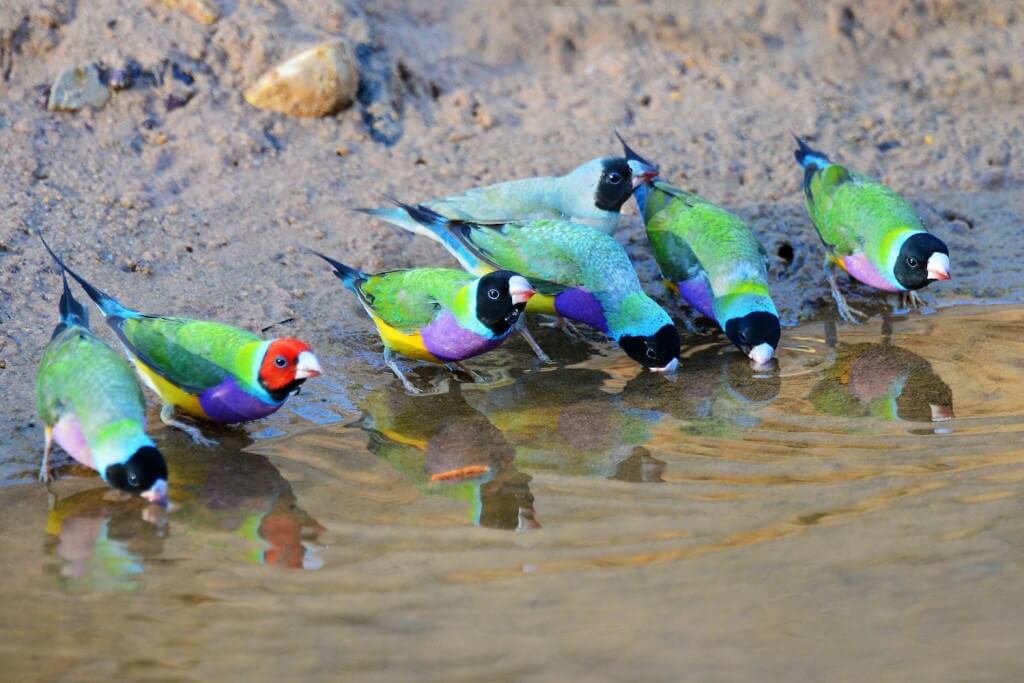
I’ve asked myself this question so many times throughout my years of keeping finches, mostly because the behavior of males can vary so widely depending on personality, species, age, and breeding conditions. One male can be an absolute superstar father, while another acts like he has no idea why tiny featherless creatures suddenly appeared in his nest. Over time, I’ve watched enough broods grow to understand how much influence the male can have on the success of a clutch, and the answer to whether males help with chick-rearing isn’t a simple yes or no. It depends heavily on observing the pair and noticing the details that define how they interact with their young.
Most finch species are naturally inclined toward cooperative breeding, at least in the early nestling phase. The male usually plays a vital role in feeding the female, defending the territory, and later feeding the chicks directly. But I’ve had cases where a male became a distraction during breeding, courting the female again before the chicks even had feathers or attempting to dominate the nest in ways that interfered with care. Looking back at all these experiences, I’ve come to appreciate that knowing what kind of father a male finch will be requires watching his behavior from the moment the pair begins building a nest.
Role of the Male During Nest Preparation
Before the eggs are even laid, the male finch usually shows how involved he plans to be. In my aviaries, males tend to gather nesting materials more enthusiastically than females, almost as if they’re trying to impress their partners with construction skills. They bring strands of grass, coconut fiber, or feathers to the nest site while the female arranges everything inside. Seeing a male consistently participate at this stage is often a good sign that he will stay involved once chicks hatch.
However, not all males behave the same way. Some prefer to perch nearby and sing while the female does the heavy lifting, which doesn’t necessarily mean he’ll be a bad father but does hint that he may take a more passive role. I’ve had males like this surprise me later with excellent feeding habits, so I don’t judge too early. Still, males that stay close to the nest, check inside frequently, and interact gently with the female tend to be the ones who become active caregivers once the chicks arrive.
Feeding Responsibilities After the Eggs Hatch
Once the chicks hatch, the real test begins. In almost every successful clutch I’ve raised, the male played a significant role in bringing food to the nest. Male finches typically start by feeding the female, who then passes the food to the hatchlings. This indirect approach is essential in the early days, especially since the mother spends so much time brooding and keeping the chicks warm.
After a few days, many males start feeding the chicks directly. This is where I really notice the difference between attentive males and those that seem disengaged. Attentive males return to the nest frequently with soft foods like egg mix, soaked seeds, or sprouted grains. They hover over the nest, quietly chirping as they check each chick, and they rarely skip feeding turns. Disinterested males, on the other hand, often perch far away or focus on singing instead of caring for their young.
I’ve had pairs where the male provided almost all the food, especially if the female laid a large clutch and seemed overwhelmed. These males essentially took over childcare while the female recovered, and I’ve grown to really appreciate that level of dedication. On the other end of the spectrum, I’ve seen males ignore the nest entirely, leaving the female to manage everything. Those situations often lead to slower chick growth unless I step in with supplemental feeding.
How the Male Supports the Female During Brooding
During the brooding period, the male’s support is more subtle but equally important. I’ve noticed that attentive males often feed the female at regular intervals, allowing her to stay warm on the nest without leaving the eggs or hatchlings exposed. This behavior leads to more stable temperatures in the nest, which is crucial for development.
Another thing I see is that males with strong parental instincts become more protective of the cage area. They may chase away other birds or warn off intruders by fluttering near the nest entrance. While this can sometimes cause tension in group aviaries, it usually signals a healthy instinct to protect the family.
The female benefits a lot from the male’s presence during brooding. Without his help, she spends more energy flying back and forth to gather food, which wears her down quickly. When the male takes on these responsibilities, the female stays in healthier condition throughout the nesting cycle and returns to normal behavior more smoothly after the chicks fledge. This balance plays a huge role in long-term breeding success.
Differences Between Species and Individual Personalities
One thing I’ve learned is that finch behavior isn’t uniform across species. Zebra finches, for example, are famously cooperative parents. I’ve seen male zebras feeding, brooding, guarding, and even warming chicks when the female takes a break. In contrast, Gouldian finches tend to be more variable. Some males are fantastic caregivers, while others barely participate unless the female prompts them repeatedly.
Species differences aside, individual personality plays a powerful role. I’ve had two males from the same clutch behave completely differently as adults. One became a devoted father who rarely left the nest area, while the other appeared indifferent and more focused on singing. Finch personalities can be surprisingly complex, and a lot of breeding success comes down to pairing compatible individuals.
In pairs where both birds share parental duties naturally, the chicks develop faster and stay healthier. When either parent slacks off, the workload doubles for the remaining partner, which sometimes leads to stress and inconsistent feeding. Keeping notes on each pair helps me track which males tend to be reliable and which are better suited for non-breeding conditions.
How Male Behavior Changes as Chicks Grow
Male involvement doesn’t end after the chicks hatch. In many of my pairs, the male becomes even more active once the chicks open their eyes and start moving around the nest. This phase seems to trigger a protective instinct that wasn’t as visible earlier. The male brings more food, cleans the nest more often, and guards the area from other finches.
By the time the chicks are close to fledging, the male often becomes the primary food provider. I’ve noticed that females gradually step back during this stage, especially once the chicks begin leaving the nest. Males frequently take on the role of teaching the young birds how to forage, perch, and navigate the cage. Their songs also play a part in helping the fledglings adjust socially.
Once the chicks leave the nest completely, the male’s involvement continues. I’ve seen males patiently feed their fledged young for days while the female prepares for the next breeding cycle. This extended care makes it easier for the chicks to transition into independence without becoming stressed or malnourished.
Situations Where the Male Causes Problems
Not all male involvement is positive. There are times when a male becomes disruptive, and these cases usually require intervention. I’ve seen males attempt to mate with the female again too soon, which results in them harassing her while she tries to feed the chicks. This behavior can lead to accidental injuries, especially if the male presses too close to the nest while the female moves around it.
Another issue happens when males become territorial toward the chicks. It’s not common, but I’ve had males peck at growing chicks or chase them after fledging, likely because they want to start the next breeding cycle immediately. This is a sign that the male is overly driven by hormones and not focused on parenting. In these situations, I usually separate the male temporarily until the chicks are fully independent.
Occasionally, males may show rough or clumsy behavior around the nest. Some step on chicks, knock them over while feeding, or repeatedly disrupt brooding. These are usually inexperienced males who need time to learn proper parental behaviors. If I see consistent improvement, I let them continue, but persistent harmful behavior usually calls for removal.
How to Support Male Involvement as a Breeder
I’ve learned that the environment can greatly influence how well a male participates in chick care. Providing a calm, stable cage reduces stress and lets both parents focus on their brood. Adequate access to soft foods encourages males to gather and deliver more nourishment to the nest. Fresh egg mix, sprouted seeds, and leafy greens make feeding easier for them and lead to healthier chicks.
Placing nesting materials where males can access them easily also encourages participation early in the breeding process. The more the male contributes during nest building, the more likely he is to stay engaged afterward. Encouraging natural behaviors like perching near the nest and interacting gently with the female also promotes better cooperation between the pair.
Keeping a close eye on pair compatibility is another way to support male involvement. If a pair constantly bickers or if the male acts hyper-aggressive, it usually means there’s a mismatch. Re-pairing them with more compatible partners often leads to much better results and calmer parenting behavior.
Instances Where the Female Takes Over Completely
There have been times when the female takes over all responsibilities, and while it’s not ideal, it can still lead to successful chicks if the female is healthy and experienced. Some females prefer to brood and feed without interference, and they may block the male from entering the nest. In these cases, the male ends up being more of a helper bird, guarding the cage and gathering food but not directly caring for the chicks.
Other times, the male simply lacks the instinct to care for young. I’ve had males that did everything right during courtship but froze once chicks hatched. These males sit near the nest and observe but never attempt to feed or brood. If the female can handle it alone, I let the pair continue, but I make a note not to expect much male contribution in future clutches.
Females often shine in these situations, showing remarkable dedication and consistency. I’ve seen single mothers raise fully healthy chicks even without a male’s help, although they tend to look more fatigued afterward. When I see this happening, I usually give the female a longer break before allowing the next breeding cycle.
Preparing for Different Male Behaviors
Being ready for different levels of male involvement makes breeding smoother overall. I always assume that I may need to intervene, whether that means supplementing food, removing a disruptive male, or supporting the female through the brooding period. Having soft foods readily available, maintaining stable lighting, and observing feeding frequency helps me catch problems early.
When I have a particularly strong male caregiver, I let him take on those responsibilities fully because it builds confidence and often leads to better breeding success in future cycles. I’ve noticed that males who succeed with one clutch usually become even more reliable with the next.
With less capable males, I pay closer attention during hatch periods and adjust as needed. Over time, I’ve learned to accept that not all males will be ideal fathers, but many can improve with experience or better environmental support.
Final Thoughts
Male finches can be incredible partners in raising chicks, and in many cases, the success of a brood depends on their involvement. I’ve watched males feed tirelessly, guard the nest, teach fledglings, and support the female through every stage of breeding. Even though some males fall short or behave unpredictably, most contribute in meaningful ways that make a noticeable difference in chick development.
By observing their behavior closely, setting up the right environment, and knowing when to intervene, I’ve managed to work with all kinds of male personalities and still end up with healthy, thriving broods. Whether a male becomes a devoted father or a more casual helper, understanding his role helps create a smoother and more successful breeding experience for both birds and breeder.