
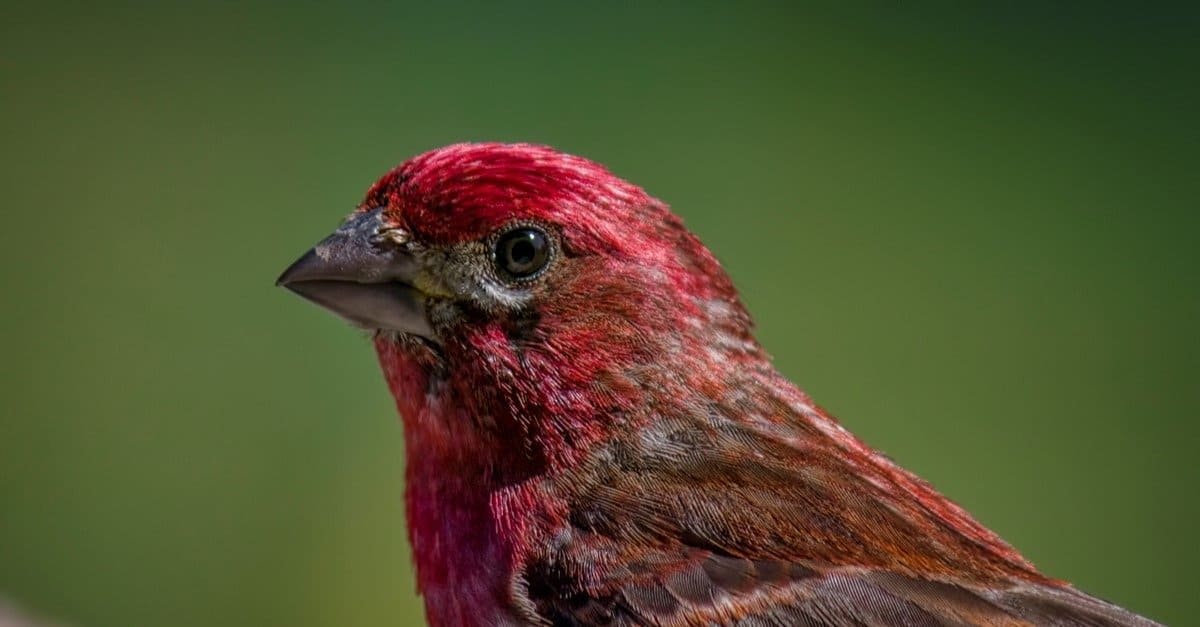
I’ve spent a lot of time around finches and the people who keep them, and one topic that always sparks a strong reaction is hybridization. The idea of crossing different finch species can sound fascinating at first because the resulting birds often display unique colors, patterns, and traits that you wouldn’t see in nature. Yet the more conversations I’ve had with breeders, aviculturists, and hobbyists, the more I’ve realized how complex the issue truly is. The ethics of finch hybridization touch on animal welfare, conservation, genetics, breeder responsibility, and even the future of certain finch species. It’s not a topic with a simple yes or no answer, but one that requires careful thought and an honest look at both the potential benefits and consequences.
Why Finch Hybridization Happens
I’ve known breeders who experiment with hybridization because they see it as a way to explore genetic diversity. Some are fascinated by the possibility of producing rare patterns, unique song variations, or offspring with particular traits that neither parent species displays on its own. In some circles, hybrid finches are admired for their novelty and added visual appeal.
Others crossbreed finches unintentionally because they keep multiple species in one large aviary. Certain finches, especially those with closely related genetics like canaries and some cardueline finches, will attempt to breed with whatever partner is available if they don’t have access to their own species. This sometimes leads to hybrid offspring that weren’t part of the original plan.
There are also cases where hybridization is used for research. Scientists studying bird genetics, behavior, and inheritance patterns may cross species in controlled environments to understand how certain traits are passed down. These situations typically involve strict oversight and protocols to ensure the birds are safe and well cared for.
Even though the motivations vary widely, hybridization always raises the same ethical debate: should it be done at all, and if so, under what conditions?
The Appeal of Hybrid Finches
I’ve met birdkeepers who are captivated by hybrid finches because of their appearance. A hybrid can blend the markings of one species with the colors of another, creating a look that stands out in any aviary. Some hybrids also sing differently, producing a mix of vocalizations that many bird enthusiasts find impressive.
Then there’s the thrill of unpredictability. Breeding two finch species doesn’t produce identical results every time, which means each clutch offers new surprises. Some hobbyists enjoy the creative aspect of hybridization the same way plant breeders enjoy creating new flower varieties.
I understand why people find hybrids intriguing. Their beauty is undeniable, and their uniqueness draws attention. But these positive traits don’t automatically make hybridization ethical, especially when the process can have consequences for the birds involved.
The Risks Hybrids Face
One of the biggest concerns I have about hybrid breeding is the physical and genetic risk to the birds. Hybrids don’t always inherit the best traits from each parent. In many cases, they get vulnerabilities instead, and the people breeding them don’t always anticipate or address these issues.
Some hybrids suffer from reduced fertility or complete sterility. This may not sound harmful at first, but for a bird that naturally has a drive to breed, infertility can lead to chronic frustration, stress, and behavioral problems. The inability to reproduce affects their hormones and natural cycles in ways that can’t be easily fixed.
Hybrids can also inherit conflicting traits that don’t function well together. Differences in body size, beak shape, feeding habits, or nesting behavior can create birds that don’t thrive the way pure species do. Even something as simple as two species having different courtship rituals can create hybrids that struggle to bond and establish normal social relationships.
In extreme cases, hybridization leads to birds that cannot survive without human intervention, which raises the question of whether the process benefits anyone other than the breeder.
Impact on Pure Species Lines
Another ethical issue that has shaped my view on hybridization is the effect it can have on pure species within captivity. Finch species that are already rare in the wild or have small captive populations rely on careful and responsible breeding to stay genetically healthy. When hybridization becomes widespread in those species, it dilutes the purity of their bloodlines and makes it hard for future breeders to maintain strong populations.
I’ve seen cases where buyers didn’t even realize the bird they purchased was part hybrid until they attempted to breed it later on. This kind of confusion creates long-term problems for aviculture because the integrity of a species becomes difficult to preserve when mixed-line birds circulate in the market.
Some breeders label their hybrids clearly and avoid selling them as anything else, but not everyone follows this standard. When hybrids get mixed into pure populations, even unintentionally, it can take years to undo the damage.
Ethical Concerns Around Intentional Crossbreeding
A major part of the hybridization debate revolves around intention. The ethics look very different when someone breeds hybrids out of curiosity without considering the welfare of the birds versus someone who crossbreeds for a legitimate scientific purpose.
When hybridization is done purely for aesthetics or novelty, it raises questions about the breeder’s priorities. If the focus shifts from the health and wellbeing of the birds to the appearance of the offspring, the practice becomes risky. Birds aren’t ornamental decorations, and turning them into genetic experiments without considering their long-term welfare feels irresponsible.
There are also cases where hybrids are produced in large numbers for commercial gain. This approach tends to prioritize quantity over care, and the welfare issues that stem from mass breeding only add to the ethical concerns.
Potential Justifications Breeders Use
I’ve heard many arguments used to justify hybridization, some more convincing than others. One common claim is that creating hybrids increases genetic variety, which might lead to stronger or more resilient birds. In practice, however, this often isn’t true. Hybrid vigor does occur in some animals, but it’s not guaranteed, and with finches, the risks often outweigh the benefits.
Another argument is that hybrids are harmless as long as they’re properly labeled and not released into the wild. While labeling helps prevent confusion in captivity, it doesn’t automatically solve the welfare concerns or the inheritance problems that many hybrid birds face.
Some breeders say hybridization is natural because cross-species mating happens occasionally in the wild. While that’s true, wild hybridization happens under much stricter ecological pressures, and only hybrids capable of surviving in nature persist. Captive hybridization, on the other hand, removes those natural limits and can produce birds that wouldn’t survive outside an aviary.
How Hybridization Affects Conservation Efforts
Finches don’t always get the same level of conservation attention as larger or more charismatic species, but some finch species face habitat loss, declining populations, and limited genetic diversity. Captive breeding programs exist to help maintain healthy populations as a safeguard against extinction. Hybridization can interfere with these efforts, especially for species that rely heavily on careful genetic management to stay viable.
When hybrid birds are mistakenly added to breeding programs, the consequences are long-lasting. It becomes harder to restore a species with confidence when its genetic purity is in question. This is one of the reasons conservation breeders strongly oppose mixing species in any context where hybrids might be mistaken for pure offspring.
The Welfare of Hybrid Offspring
One of the things I focus on whenever I think about ethics is how the birds themselves experience hybridization. Many hybrids live perfectly fine lives, but there are others that struggle with mismatched instincts, infertility, reduced lifespan, or weaker immune systems.
In cases where the parent species have significantly different behaviors, the hybrid may not know how to court properly, how to raise chicks, or even how to communicate effectively. These issues create emotional and social challenges that add stress to the birds’ daily lives.
Hybrid birds aren’t aware of how they came to be. They simply try to function as normally as possible. But if the crossbreeding that produced them wasn’t done with their welfare in mind, they end up facing problems they never should have had.
The Responsibilities of Breeders
If a breeder decides to crossbreed finches, they need to approach the process with a level of responsibility that goes beyond curiosity or aesthetics. This means providing accurate record-keeping, labeling birds properly, ensuring that hybrids aren’t sold as pure species, and being transparent with buyers. It also means avoiding crosses that are known to produce weak, infertile, or unhealthy offspring.
Breeders should also consider long-term care. If a hybrid bird cannot be ethically sold or used for breeding, the breeder must be willing to keep it for the duration of its life. This level of commitment prevents hybrids from ending up in situations where they aren’t properly cared for or where someone attempts to use them for breeding without understanding the consequences.
Whether Hybridization Has Any Ethical Space
After years of reading, observing, and speaking with other finch keepers, I’ve come to see hybridization as an ethical practice only under very specific conditions. If the purpose is genuine scientific research or conservation-related study, and the birds are kept safely, humanely, and responsibly, there is room for hybridization within acceptable limits.
If the motivation is purely aesthetic or commercial, the ethics become much harder to justify. The wellbeing of the birds should always come before the desire to create something visually novel. Without that priority, hybridization becomes exploitative rather than educational or beneficial.
My Personal View on Hybrid Finches
I won’t deny that hybrid finches can be stunning. I’ve seen crosses that look so unique they almost feel unreal. But beauty alone can’t be the deciding factor. The more time I’ve spent thinking about hybridization, the more I’ve realized that the ethical weight of crossbreeding falls heavily on the breeder’s intentions and actions.
I believe hybrids should only be produced if the welfare of the parent birds and their offspring is guaranteed. The breeder must have a clear purpose that goes beyond curiosity. They must ensure that hybrid birds won’t harm conservation efforts, disrupt pure species breeding, or suffer from preventable physical or behavioral issues.
Finches already face enough challenges from habitat loss, climate change, and human pressures. Adding unnecessary hybridization to the mix doesn’t help the species thrive.
Final Thoughts
The question of whether crossbreeding finches is ethical doesn’t have a simple, universal answer. What it does have is a set of principles that help guide responsible decision-making. Hybridization requires transparency, long-term commitment, respect for species integrity, and a deep understanding of the birds’ needs.
I’ve met people who approach hybridization with genuine care and responsibility, and I’ve met others who treat it like an experiment without considering the consequences. The difference between ethical and unethical hybridization lies in those intentions and in the level of care applied to the birds.
Finches are remarkable creatures on their own. Their colors, songs, and personalities already offer more than enough fascination for any bird lover. Before creating hybrids, it’s worth asking whether the process truly serves the birds or simply serves human curiosity. That question alone can determine whether hybridization becomes a responsible practice or an unnecessary risk.