
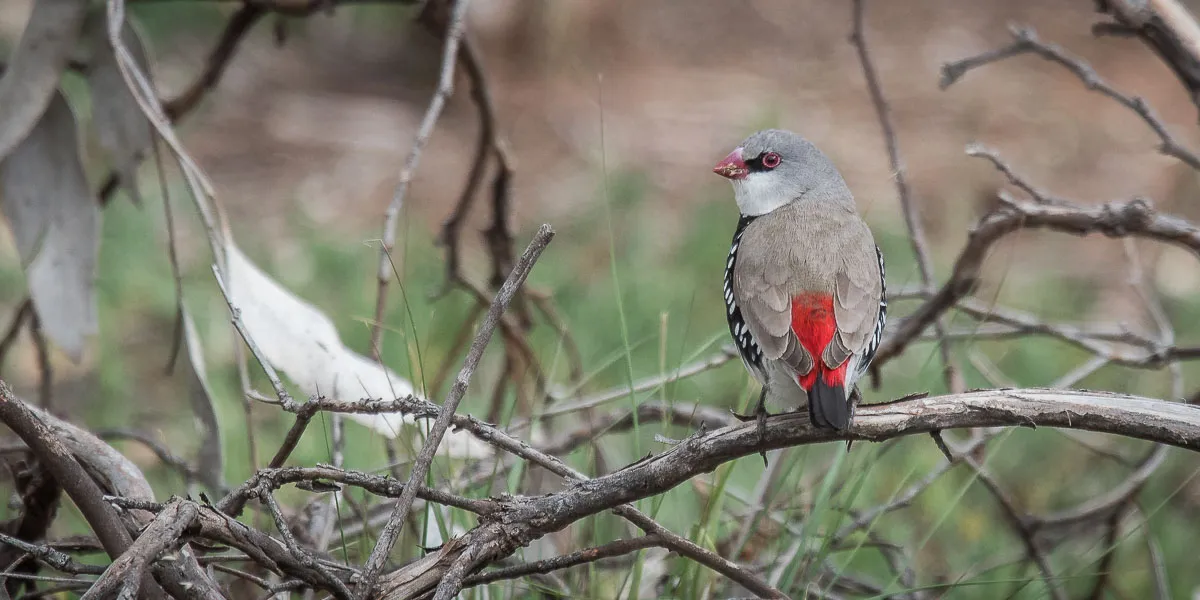
Gouldian finches have a presence that never stops captivating me. Their colors look almost unreal, like something painted rather than grown from feathers, and their calm, delicate nature draws attention in a completely different way from more active species. The more time I’ve spent caring for Gouldians, the more I’ve realized how unique they are compared to other finches. They combine beauty, sensitivity, and fascinating behaviors in a way that makes them one of the most rewarding species to keep, as long as they’re given the conditions they need to stay healthy and comfortable.
Gouldians require a bit more attention than hardy finches like zebras or societies, but once their environment is tuned to their preferences, they flourish with a level of grace that always feels special to watch. Their personalities are gentle, their movement soft and unhurried, and their interactions with one another reveal quiet intelligence. Their colors alone pull most new keepers in, yet their behavior is what makes them unforgettable.
Color Varieties and Their Unique Appeal
Gouldian finches are famous for the trio of head colors that most people instantly recognize: red, black, and yellow. Each variety has its own subtle charm, and seeing them together in the same aviary makes the space feel vibrant and full of life. The body colors also shift depending on the bird’s genetics, with shades of purple, turquoise, green, and yellow blending together in combinations that vary from bird to bird.
These natural combinations are already stunning, but selective breeding has produced even more color mutations. Some birds display pastel tones with soft washes of blue and white, while others show brighter gold and silver variations. Even with these mutations, the classic wild-type colors remain some of the most striking and balanced combinations seen in any small bird.
One detail I’ve always enjoyed is the way Gouldian colors develop gradually as juveniles mature. Young birds begin with neutral plumage that shifts into brilliant adult colors over time. Watching these transitions adds another layer of enjoyment to raising them, since each bird reveals its full appearance slowly and beautifully.
Ideal Housing and Space Needs
Gouldian finches thrive in environments that allow them to move gracefully without being rushed or crowded. They prefer spacious cages or aviaries with plenty of horizontal flight room. Their flying style tends to be smooth and straight, so longer enclosures suit them more than taller but narrow cages.
I’ve noticed that Gouldians feel more secure in setups that include natural branches, clusters of plants, and varied perch textures. The more natural the environment feels, the more relaxed their posture becomes. They don’t dart around the cage like zebra finches but instead glide gently between perches, so giving them open pathways helps maintain their comfort.
Air quality plays a big role in their wellbeing. Gouldians can be sensitive to drafts, temperature swings, and stuffy conditions. Maintaining good ventilation without exposing them to sudden cold air prevents respiratory issues and stress-related behavior. A stable environment is one of the key factors in keeping them content.
Temperature Preferences and Climate Stability
Stable warmth helps Gouldian finches maintain strong health. They do best in temperatures between the mid-70s and mid-80s Fahrenheit, and they respond poorly to cold or fluctuating conditions. Sudden temperature shifts can lead to stress or illness, especially during molting or breeding seasons.
In my setups, I’ve found that keeping the temperature steady throughout the day and night encourages consistent feeding habits and reduces anxiety. Gouldians display a more confident posture and interact more openly when they’re not trying to conserve body heat. Supplemental heating becomes valuable in colder months, but it must be controlled carefully so the cage doesn’t overheat.
Humidity levels also influence their comfort. Moderate humidity helps maintain healthy feathers and reduces the dryness that sometimes triggers breathing concerns. Balancing warmth and moisture provides a climate that feels close to the conditions Gouldians experience in their native habitats.
Diet Needs and Nutritional Balance
Gouldian finches thrive on a balanced diet that supports their sensitive systems. A high-quality finch seed mix forms a good base, but I’ve learned that they do best when seeds are combined with fresh greens, egg food, sprouted seeds, and mineral sources. They require more dietary variety than some other finch species to maintain bright feathers and a strong immune system.
Sprouted seeds are especially valuable for breeding pairs and molting birds. The nutrients in sprouted foods help maintain energy levels and support feather growth. Fresh greens like spinach, kale, or lettuce add moisture and vitamins, but offering them in moderation prevents digestive upset.
Cuttlebone, grit, and mineral blocks help maintain calcium levels. Gouldians use these supplements naturally, especially during egg production or growth phases. Providing a variety of small dishes keeps the birds from competing and ensures that even shy individuals access everything they need.
Social Behavior and Flock Dynamics
Gouldian finches are generally peaceful birds that avoid loud conflict. Their quiet nature makes them pleasant companions in aviaries, though they tend to interact more subtly than other species. Instead of constant chatter or bold gestures, their communication involves gentle movements and soft calls.
They form loose social groups rather than tight, cooperative flocks. Pairs bond softly without aggressive displays, and they prefer environments where they can observe the group while keeping a bit of personal space. This calm temperament helps them blend into mixed aviaries, though energetic species can overwhelm them if the enclosure is too small.
Their gentle behavior doesn’t mean they’re passive about their comfort. Gouldians will withdraw from stressful situations or noisy birds, so matching them with species of similar temperament keeps the environment peaceful.
Molting Patterns and Seasonal Changes
Gouldian finches go through a distinctive and sometimes lengthy molting process. Their feathers change gradually, shifting from worn shades to renewed brightness. This process can take more time for Gouldians than for other finches, and their energy levels often dip during heavy molting phases.
Maintaining a stable environment during molt becomes crucial. Warmth, good nutrition, and low stress help the birds complete the process smoothly. I’ve found that adding sprouted foods, soft egg mixtures, and leafy greens improves their feather regrowth and helps them maintain strength.
Molting birds rest more frequently and may appear quieter than usual. Their personalities return to normal once the fresh feathers come in, and their colors often look even more striking after a full molt.
Breeding Behavior and Care Needs
Breeding Gouldian finches requires more patience and environmental stability than breeding hardier finches. They prefer calm surroundings and often take time to settle before starting their breeding cycle. Once comfortable, they form steady pair bonds and begin nesting behaviors that unfold gently rather than aggressively.
Providing the right nest box helps them feel secure. They respond well to half-open nest boxes or wicker baskets lined with soft grasses and coconut fiber. Gouldians aren’t as frantic about gathering nesting material as some species, but they still appreciate having enough supplies to shape a comfortable interior.
Incubation requires a consistent temperature and limited disturbances. Gouldian parents tend to share responsibilities, though their level of participation can vary with individual personalities. Some pairs excel at nurturing their eggs, while others benefit from careful observation to ensure everything progresses smoothly.
Personality Traits and Daily Interactions
Gouldian finches have personalities that grow on you the more you observe them. Their quiet curiosity appears in small moments, like the way they watch you move or how they investigate new perches. Unlike the more interactive nature of zebra finches, Gouldians engage through calm observation rather than constant vocalization.
Their movements feel deliberate, almost as if each step or hop is calculated. They perch with elegance and rarely rush unless startled. Even their feeding habits look refined, with small, measured pecks instead of hurried grabs.
They show affection toward their mates through soft beak touches and gentle grooming. These affectionate moments give insight into their emotional depth, which is often overlooked because of their delicate demeanor.
Mixing Gouldians With Other Finch Species
Gouldian finches can coexist with other finch species if the group is chosen carefully. They thrive around birds that share their calm disposition. Society finches, star finches, and owl finches make compatible companions in larger aviaries. Zebra finches can coexist with them too, but only when there is enough space to prevent the more active birds from overwhelming them.
Providing separate feeding areas, multiple perches, and quiet zones ensures that Gouldians have places to retreat when they want a break. Their peaceful nature allows them to adapt well, but they need the option to distance themselves from louder species.
Health Considerations and Prevention
Gouldian finches require consistent attention to prevent stress-based health problems. Their sensitivity makes them more vulnerable to respiratory issues, infections, and nutritional deficiencies compared to hardier species. Regular cage cleaning, air circulation, and a stable climate keep these risks low.
Daily observation helps detect early signs of discomfort. Changes in posture, reduced activity, labored breathing, or fluffed feathers for extended periods indicate that something may be off. Acting early prevents small issues from developing into serious conditions.
Quality diet and hydration also support long-term health. Gouldians flourish when their nutritional needs are met consistently rather than occasionally.
Final Thoughts
Gouldian finches bring color, elegance, and tranquility to any bird-keeping experience. Their beauty is unmatched, but their personality is what makes them stand out once you’ve spent time observing them. They reward careful, thoughtful care with steady trust and vibrant displays of natural behavior.
Caring for Gouldians becomes easier once their preferences for climate, diet, space, and calm surroundings are established. They may be sensitive birds, but they respond remarkably well to stability and gentle routines. Their presence adds a sense of calm to the aviary, and their colors make every glance feel like a small discovery.
With patience and consistency, Gouldian finches thrive and reveal sides of their temperament that make them unforgettable companions. Their combination of care needs, colors, and personality creates an experience that feels both rewarding and deeply satisfying for anyone who appreciates the quiet beauty of finches.