
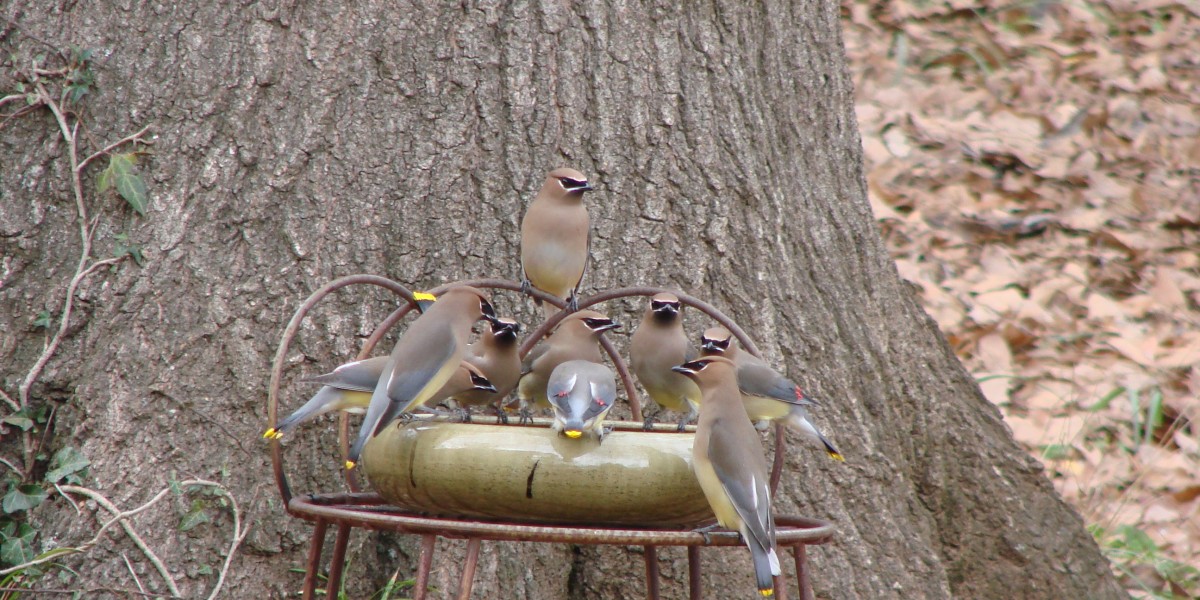
A finch might look tiny and delicate, but the environment it lives in has a massive influence on its health, comfort, and behavior. I learned quickly that even the most beautiful cage setup can turn into an unhealthy space if I don’t stay consistent with cleaning. Finches are active birds that produce a surprising amount of waste, shed feathers constantly, and fling bits of food everywhere. That means the cage can go from clean to chaotic faster than you think. Maintaining a healthy cage isn’t just about smell or appearance; it determines whether your finch stays stress free, disease free, and energetic. It also affects how willing your bird is to interact, sing, and explore.
Cleaning a finch cage isn’t about achieving a perfect routine from day one. It’s about understanding the rhythm of your birds, paying attention to how quickly debris builds up, and developing a cleaning system that works for both you and your finch. Instead of letting the mess accumulate until cleaning feels overwhelming, I’ve found that staying on top of small tasks each day completely transforms the experience. A clean cage transforms how your finch behaves, how often it sings, its level of activity, and even how quickly it bonds with you. Once the cleaning routine becomes second nature, caring for your finch becomes smoother, healthier, and more enjoyable.
Daily Tasks That Keep the Cage Fresh
A daily routine might sound extreme, but finches are messy in a subtle way. You don’t always notice things piling up until you look closely. By handling small tasks each day, I reduce odors, prevent bacteria from forming, and save myself from doing heavy scrubbing later. It also allows me to monitor my finch closely because changes in droppings, food intake, or behavior often show up during daily care.
Removing Old Food and Seed Waste
Finches scatter seeds constantly, and the seed hulls create a layer of debris that can fool you into thinking food is still available. I make it a habit to shake out seed dishes every morning and refill them with fresh seed. Any leftover soft foods are removed within a few hours, especially fruits or vegetables that spoil quickly. This prevents mold, flies, and bacterial growth.
Checking and Cleaning Water Sources
A finch’s water dish becomes dirty faster than you might expect. Feathers, seed bits, and droppings can fall into it throughout the day. I replace the water with a fresh supply every morning and give the dish a quick rinse. Clean water is a non negotiable part of keeping finches healthy and hydrated.
Spot Cleaning Perches and Cage Surfaces
Droppings on perches dry quickly and can accumulate until they impact your finch’s grip and foot health. Wiping them daily keeps everything in good condition. I also look for areas where waste collects on cage bars or ledges. This keeps odors under control and limits bacteria.
Weekly Deep Cleaning for a Healthy Home
The weekly cleaning session is where I make the biggest difference in the overall health of the cage. By removing everything and cleaning each part thoroughly, I reset the entire environment. This is the point where I eliminate any buildup that the daily routine can’t fully prevent.
Washing All Cage Accessories
Perches, bowls, toys, swings, and platforms all need to be scrubbed and rinsed once a week. I use warm water and a bird safe cleaner. Soap can be used as long as everything is rinsed extremely well. Any rough perches that absorb droppings get special attention because bacteria loves porous surfaces.
Changing Cage Liners and Washing the Base
Even if I replace liners during the week, I always deep clean the cage base. Droppings, spilled seeds, and feathers gather in corners and edges. A thorough wash prevents smells, mold growth, and pests. I dry the base completely before placing it back because moisture is the enemy of healthy airflow.
Scrubbing the Bars and Interior Surfaces
The bars of the cage collect dust and dried waste that you don’t always notice until you start cleaning. I wipe down the entire structure with warm water and a safe cleaner to remove bacteria and grime. This also helps control dander and reduces allergens in the room.
Monthly Tasks That Improve Long Term Health
Monthly tasks focus on the parts that don’t need weekly cleaning but still play a role in the bird’s overall wellbeing. I think of this as the maintenance that keeps everything functioning smoothly.
Inspecting the Cage for Damage or Wear
Finches don’t chew like parrots, but they can still damage soft wood or wear out toys over time. I look for frayed rope toys, rust on metal parts, loose screws, and worn perches. Anything that could injure a foot or be swallowed needs replacing.
Rotating and Replacing Toys
Finches are more active when their environment feels stimulating. Each month, I rotate toys or replace old ones to keep things interesting. This reduces stress and prevents boredom related behaviors like excessive calling or pacing.
Cleaning Behind and Around the Cage
Dust, feathers, and seed hulls drift beyond the cage. Cleaning the surrounding area each month reduces pests and improves air quality. I always move the cage slightly and vacuum behind it so nothing accumulates unnoticed.
Signs the Cage Needs Cleaning Sooner
Even with a consistent schedule, there are moments when finches create more mess than usual. Recognizing signs that the cage needs extra cleaning prevents health issues from creeping in. I’ve learned to act quickly whenever I notice anything off.
Strong Odors Coming from the Cage
A healthy finch cage shouldn’t smell bad. Mild bird scent is normal, but sour or musty odors indicate waste buildup or mold. If I smell anything unpleasant, I immediately inspect the cage and clean the affected area.
Increased Dust and Feather Shedding
During molting seasons, the cage fills with feathers and dander faster than normal. I clean more frequently during these periods to support my finch’s respiratory health and comfort.
Dampness or Condensation Inside the Cage
Moisture inside the cage can cause respiratory infections and bacterial growth. If I notice water spills, humidity buildup, or damp liners, I clean and dry everything right away.
Why Cleaning Frequency Affects Finch Behavior
Finches rely heavily on environmental cues to feel safe. A messy or smelly cage affects their mood, appetite, willingness to sing, and overall activity levels. I’ve seen firsthand how the cleanliness of the cage directly influences how my birds behave.
Reduced Stress and Improved Activity
A clean cage gives finches space to move comfortably without stepping on waste or navigating clutter. This helps reduce stress. I notice they’re more playful, more curious, and more vocal when their space feels fresh and open.
Healthier Respiratory Function
Finches have delicate respiratory systems. Dust, dander, and ammonia from droppings affect their breathing. Regular cleaning keeps the air clear and reduces irritation, which makes my birds more active and alert.
Stronger Bond Between You and Your Finch
Cleaning the cage regularly shows your finch that its environment is safe and predictable. Birds thrive on routine. The more consistent I am, the more comfortable they become around me, which strengthens trust and bonding.
Building a Cleaning Routine That Works
Consistency matters more than perfection. I found that once I established a rhythm, the cage stayed cleaner and healthier with far less effort. The key is to create a system you can maintain long term without feeling overwhelmed.
Breaking Tasks into Manageable Steps
Trying to clean the entire cage every day becomes exhausting. Splitting tasks into daily, weekly, and monthly actions keeps everything organized and easy to maintain. I stick to short daily tasks and reserve deeper cleaning for a set day.
Using Safe Cleaning Products Only
Birds are extremely sensitive to chemicals. I only use bird safe cleaners, vinegar diluted with water, or mild unscented soap. Strong fumes can cause respiratory damage even after the cage appears dry.
Making Cleaning Part of Feeding Time
I often combine feeding routines with cage upkeep. While changing food and water, I use that moment to wipe perches or remove debris. This keeps everything efficient and prevents the routine from feeling like a chore.
Conclusion
Cage cleanliness is directly tied to finch health, comfort, and happiness. After caring for finches for years, I’ve learned that cleaning isn’t optional or something to put off until the cage starts to smell. It’s the backbone of responsible bird ownership. By breaking the job into daily, weekly, and monthly tasks, the entire routine becomes manageable and even enjoyable. A clean cage gives your finch the physical health it needs, the emotional stability it depends on, and the freedom to behave naturally. The more consistently you clean, the more vibrant, active, and confident your finch becomes. And in the end, that healthier, happier bird makes every bit of effort worth it.