
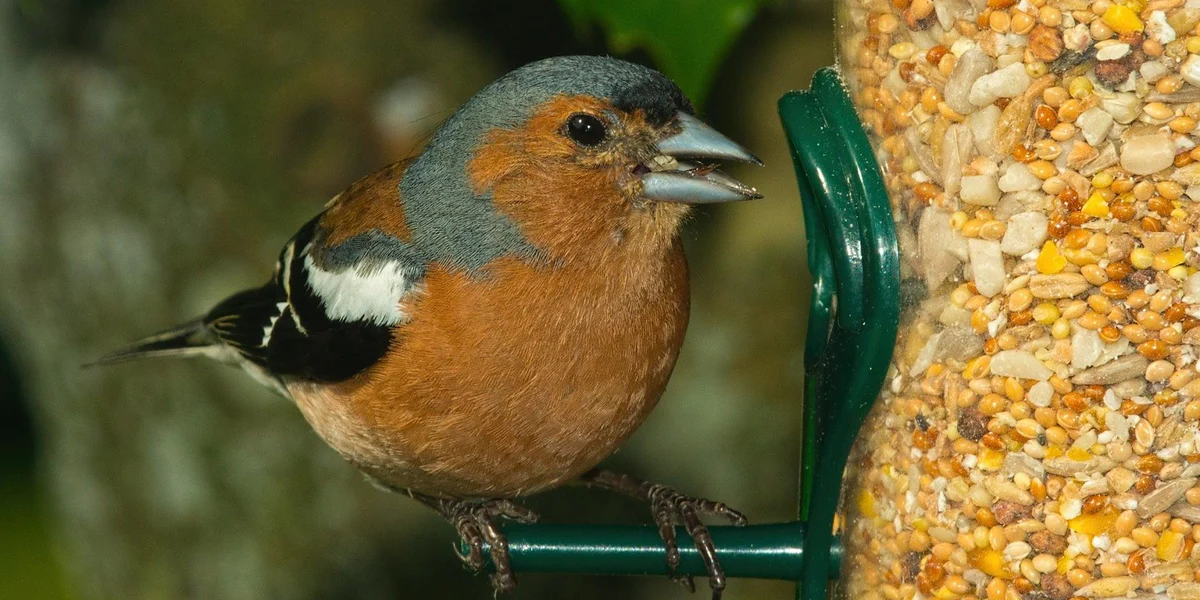
I like adding plants to a finch habitat because it changes the entire atmosphere of the enclosure in a way nothing else can. The birds become more curious, more active, and more confident when they have greenery to explore. Plants soften the look of the cage or aviary, create small shaded pockets, and offer a more natural setting that encourages healthy behaviors. Even small touches of green can transform the space into something that feels alive and balanced. But I also learned that adding plants is not as simple as placing a pot in the corner. Safety becomes the first priority, and every plant must be selected, placed, and maintained carefully.
Finches do not just perch on plants. They nibble, hop between stems, hide behind leaves, and sometimes use them as nesting material. This means any plant that enters their environment must be safe enough to interact with directly. Over time, I’ve developed a clear approach that helps me enjoy the beauty of greenery while protecting the birds from harm. It has made a noticeable difference in their well-being, and it also helps keep the enclosure cleaner and more stable.
Why Plants Benefit Finch Habitats
I’ve seen finches respond to plants with enthusiasm, and the benefits show up quickly. The presence of greenery encourages natural movement. When a finch hops from leaf to leaf or investigates a new branch, it uses muscles and instincts that sometimes sit idle in a simple cage setup. That activity helps with coordination, mental stimulation, and even mood.
Plants also help regulate the environment. They introduce gentle humidity, soften harsh indoor lighting, and break up open space into small natural zones. These zones give finches moments of privacy, places to retreat, and tiny pockets of shade. Even artificial environments feel more grounded when live plants soften the edges.
Another benefit is enrichment. Finch habitats without plants sometimes feel static, but plants offer texture, shape, and scent changes. A new sprout or bloom creates moments of discovery for the birds. I’ve watched mine investigate every fresh leaf, almost like they are inspecting a new part of their territory. Enrichment like this reduces boredom and helps prevent stress behaviors.
Choosing Safe Plant Species for Finches
Not all plants are safe for finches, and this is the part of the process I take most seriously. Some common houseplants contain toxins that can harm birds even in small amounts. This led me to build a list of reliable safe options. The safest plants include spider plants, Boston ferns, pothos, bamboo palm, areca palm, and herbs such as basil, mint, thyme, parsley, and cilantro. These plants hold up well around small birds and offer sturdy leaves for hopping.
I avoid anything known to be toxic to birds or other pets. Oleander, philodendron, peace lily, dieffenbachia, aloe vera, and pothos varieties treated with leaf shine products can cause issues. Even plants that are technically safe become dangerous if they have pesticide residue or chemical fertilizers in the soil. I take the entire plant, root system included, and rinse it thoroughly under running water to remove anything lingering on the surface.
A plant does not need to be exotic to be safe. Simple, hardy options work well because they withstand feather dust, humidity changes, and occasional nibbling. I find that the most successful plants are easy to clean and maintain because finches stir up a surprising amount of debris when they fly.
Preparing Plants Before Adding Them to the Habitat
I treat preparation as a required step because even safe species can carry contaminants from the nursery. The first thing I do is remove the plant from its original pot and shake off as much soil as possible. Nursery soil often contains fertilizers that release slowly over months, and those chemicals can be harmful. I replace the soil entirely with an organic, chemical-free mix so nothing dangerous enters the enclosure.
I rinse the roots gently, then replant the specimen in a clean pot. After that, I rinse the leaves thoroughly to remove dust, sprays, or residues that may linger from transport. If the plant has a waxy surface or thick leaves, I rinse it longer because residues cling more strongly to these surfaces.
Once the plant is clean, I quarantine it for several days outside the bird area. This helps me observe it for pests like mites or gnats. I never risk bringing insects into the habitat because they multiply fast in warm, enclosed spaces. A short quarantine protects the environment and ensures the plant is truly safe.
Deciding Whether to Use Potted or Planted Arrangements
Finch habitats accommodate plants in different ways. Potted plants are the most flexible because I can move them, rotate them, or remove them whenever I want to clean the area. I like using lightweight pots that do not tip over easily. Clay pots work well because they stay steady and absorb moisture, which keeps the area less humid.
In large aviaries, planted arrangements create a more natural landscape. These require more planning because once they are rooted, they become part of the environment. I use raised beds or enclosed soil sections so the finches do not dig too deeply. Soil exposure encourages some birds to toss dirt around, so I limit access to prevent messes.
Both methods have advantages. Potted plants allow easy maintenance, while planted sections create a more immersive habitat. I mix the two depending on how much space the birds have. If the enclosure is small, I avoid planted sections and stick to pots to keep cleaning manageable.
Positioning Plants Where They Enhance the Habitat Safely
Placement makes a huge difference in how plants influence the space. I avoid putting plants directly under perches because droppings build up quickly and make maintenance difficult. Instead, I position them in corners or along the sides of the habitat, where finches can explore them without turning them into waste targets.
I also keep plants away from food and water stations. A leaf that dips into a water dish can introduce bacteria, and soil particles can contaminate food. By keeping plants slightly separated, I maintain a cleaner routine and reduce the spread of debris.
Another consideration is airflow. Plants placed too close together block circulation and create humid pockets. Finches prefer balanced humidity, so I spread plants across the habitat rather than creating one dense cluster. Spacing also reduces the risk of mold forming on soil surfaces or leaves.
Preventing Soil Contamination in Finch Enclosures
Soil poses one of the biggest risks in any enclosure that contains birds. Finches kick soil around, inspect it with their beaks, and sometimes try to dig in it. To prevent problems, I cover the soil surface with stones or mesh. Stones provide weight and prevent birds from accessing the soil directly, while mesh allows water to reach the roots but keeps curious beaks away.
Some keepers use artificial moss to cover soil, but I prefer natural stones because they are easier to clean and do not trap odors. Light stones warm under cage lighting, and finches sometimes perch near them for warmth. As long as the stones are smooth and clean, they do not cause any harm.
I also keep the soil slightly moist but never wet. Overwatering produces fungus gnats, mold, and bacterial growth, and these issues spread rapidly in warm bird environments. Proper watering and surface coverings reduce these risks dramatically.
Keeping Plants Clean in a Finch Habitat
Plant maintenance becomes part of the regular cleaning routine. I wipe leaves gently with damp cloths to remove dust and feather particles. These particles accumulate faster than people expect, especially in indoor environments. Clean leaves absorb light better and stay healthier, which means they remain safe for the birds.
I prune plants regularly to prevent overcrowding. Finches enjoy weaving through foliage, but dense growth blocks airflow and traps moisture. Light pruning encourages new growth and keeps the habitat fresh. I always remove fallen leaves immediately because decaying plant matter attracts insects.
If I notice any signs of pests on the plant, I remove it from the habitat instantly. I never treat pests with sprays while the plant is inside the enclosure. Instead, I isolate it, clean it thoroughly, and only reintroduce it once I am sure it is safe again.
How Finches Interact With Plants and What Behaviors to Expect
Finches interact with plants in predictable but energetic ways. They nibble soft leaves, especially those of herbs, and they enjoy perching on stems. Their weight is light enough that most sturdy houseplants handle them well. Some finches strip tiny fibers for nesting, which makes hardy plants more suitable than delicate ornamental species.
In aviaries, birds sometimes sing from hidden spots between leaves. This behavior indicates comfort and security. The plants become micro-territories within the habitat, giving finches small landmarks they recognize. I enjoy watching them explore each plant during the day, especially when new growth appears.
One behavior I prepare for is play nibbling. Finches like to test everything with their beaks. Even safe plants wear down over time due to curious pecking. This is why I avoid expensive or extremely delicate species. Hardy, resilient plants hold up well and keep the habitat looking natural even with constant bird activity.
How Lighting Affects Plants in a Finch Habitat
Lighting influences both plant health and bird behavior. Most finch habitats use artificial lighting or receive filtered sunlight. I choose plants that thrive in medium light because strong light encourages fast growth that becomes dense and unmanageable inside cages.
If the habitat receives direct sunlight, I place plants slightly out of the brightest spots. Too much sun stresses both plants and birds. It heats leaves, dries soil too quickly, and raises the overall temperature. Indirect light keeps everything stable. I also rotate pots occasionally so the plant grows evenly.
Artificial lighting works well as long as it is not too harsh. Some full-spectrum bird lights support plant growth without overwhelming the birds. I monitor plants weekly and adjust their position if they show signs of stretching toward the light or losing color.
Replacing Plants Safely and Maintaining Variety
Plants age, wear out, or become less attractive over time, especially when finches interact with them daily. Instead of keeping a stressed plant inside the habitat, I replace it with a healthy one. Before making any replacement, I prepare the new plant the same way I prepared the first ones. I rinse it, repot it, and quarantine it for a short period.
Rotating plant varieties keeps the environment interesting. Finches respond positively to small changes, and I find that they explore more actively when something new appears. I never replace too many plants at once because large changes can overwhelm them. A gradual shift keeps the habitat stable while maintaining a sense of novelty.
Final Thoughts
Adding plants to a finch habitat safely requires patience, preparation, and ongoing care, but the payoff is worth the effort. Greenery transforms the environment into something lively and enriching, giving finches stimulation, shade, and comfort. By choosing safe species, preparing them properly, protecting the soil, and maintaining the plants regularly, the habitat becomes a healthier and more natural space. I’ve seen how much more confident and energetic finches become when they live among plants, and it adds a layer of beauty that no perch or toy can replace.