
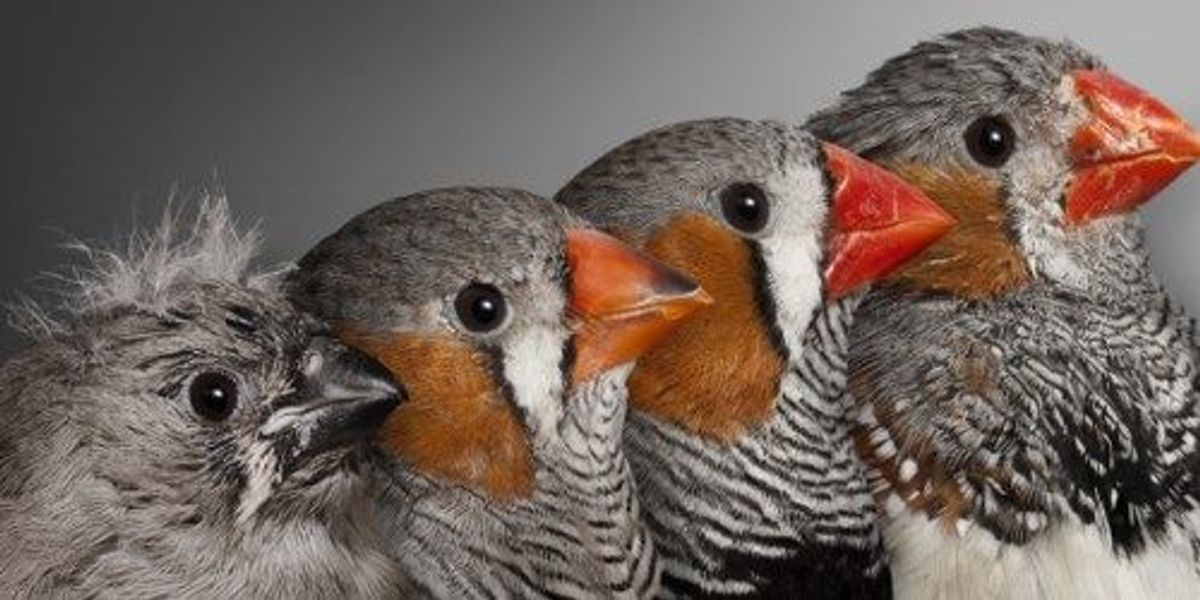
Building a stronger relationship with a finch can feel subtle at first, mostly because these birds express trust differently from parrots or larger companion species. Instead of stepping onto a finger or seeking constant handling, finches show connection through comfort, calm behavior, and willingness to engage within their space. I discovered over time that bonding with a finch is less about physical contact and more about showing consistent, noninvasive presence. That is why creating a seven-day bonding plan works so well; it gives structure, clarity, and progression without overwhelming the bird. Every day introduces gentle steps that gradually earn trust, and by the end of the week, the finch begins to associate you with safety and predictable care.
Finches respond strongly to rhythm and routine. Once your presence becomes a familiar part of that routine, the bird instinctively relaxes. The goal of this seven-day approach is not to force affection but to create the conditions where trust grows naturally. Some finches may move faster than others, and some may take longer than seven days to show visible changes, but the process works because it respects the finch’s nature. What matters most is consistency, patience, and a calm environment. With those in place, even the shyest finch begins to soften.
Day One: Quiet Presence Near the Cage
The first day is all about letting the finch watch you without feeling threatened. I usually stay near the cage for several short intervals instead of one long session, because finches respond better to small, repeated exposures. Sitting near the cage while reading, doing light tasks, or simply relaxing allows the finch to observe you without any pressure. At this stage, the bird is studying your movements, body language, and voice. Sudden gestures should be avoided, and it helps to move slower than usual so the finch does not interpret your presence as a threat.
This quiet introduction sets the tone for the rest of the week. Many finches will chirp softly or hop around the cage as they become comfortable with your proximity. Some may freeze at first, but this typically eases as the bird realizes you are not a danger. What you want is for your presence to become part of the bird’s normal environment, something unremarkable and safe.
Day Two: Soft Voice Familiarization
On the second day, I shift the focus toward gentle vocal communication. Finches recognize voices quickly, and a soft, steady tone builds familiarity. Speaking near the cage while maintaining calm body language teaches the bird that your voice signals comfort rather than alarm. I usually talk about whatever I’m doing or describe the bird’s behavior in an easy, pleasant tone. It’s not the words that matter but the rhythm and sound.
Some finches may chirp back or flutter their wings lightly, which is a positive sign. Others may simply listen. The point is not to elicit a reaction but to create an auditory association. Over time, the finch begins to pair your voice with safety, predictability, and care. This auditory trust becomes useful later, especially during feeding, cleaning, and training moments.
Day Three: Reward Association Through Food
Food is one of the most effective ways to build trust with finches because it connects your presence to something positive. On the third day, I introduce treats in a way that encourages the bird to approach without feeling cornered. Placing a small piece of millet spray, a leafy green, or another safe finch treat near the front of the cage allows the bird to enjoy it while noticing that your hand was responsible for its arrival.
I never rush the bird to eat while I’m right there. Sometimes I place the treat and take a small step back so the finch feels confident enough to approach. After a few minutes, the bird usually investigates, and the connection between me and something pleasant begins to form. Finches quickly remember where treats come from, and this builds strong trust over time.
Day Four: Hand Introduction Outside the Cage Bars
By the fourth day, the finch usually shows more comfort with my presence, and it becomes the right time to introduce my hand gently. The goal here is not to touch the finch but to let the bird see my hand as a normal, harmless part of the environment. I start by placing my hand just outside the cage without entering the interior space. Holding it still for short periods helps the finch observe the shape, size, and movement without feeling invaded.
Slow movements are important. If the bird leans forward, studies my hand, or moves closer without signs of stress, that’s a very good sign. If the finch backs away or flutters around the cage, I simply reduce the time or distance and try again later. This step lays the groundwork for future interactions, especially during feeding or cleaning.
Day Five: Brief Feeding Interaction
On the fifth day, I usually attempt a short and gentle interaction using food as a bridge. I hold a small piece of millet or a similar treat near the cage bars, allowing the finch to decide whether it wants to approach. Some finches will come forward quickly, eager to take the treat, while others may observe from a distance for several minutes before building the confidence to move closer.
If the finch does not come near the treat on the first attempt, I keep my hand steady but do not push it closer. Trust develops through voluntary engagement, and forcing the moment breaks the progress you’ve made. Once the finch eventually takes the treat or even just investigates, a clear bond forms because the bird learns that interacting with you results in something positive and safe.
Day Six: Gentle Interaction Through Cage Activities
On the sixth day, I introduce low-pressure interaction using the bird’s natural behaviors. Finches are curious by nature, and placing a toy, a foraging item, or a small piece of greenery near the part of the cage where I’m sitting invites the finch to explore while I remain nearby. This type of shared activity strengthens the bond because the finch begins to see me as part of its environment rather than a distant observer.
Sometimes the bird hops closer to the side I’m sitting near or chirps while interacting with the object. Small signs like this show that the finch feels comfortable enough to be active around me. This day reinforces that your presence is neither restrictive nor intimidating, which deepens the bond.
Day Seven: Establishing Routine Interaction
By the seventh day, the finch usually shows clearer signs of comfort and trust, such as approaching the front of the cage, chirping when you enter the room, or eating treats with you nearby. This is the day I begin integrating short bonding moments into a regular routine. This might include hand-feeding for a minute, talking softly during feeding time, or sitting near the cage at consistent intervals.
Routine is powerful for finches. When trust-building moments occur daily in predictable ways, the bond strengthens quickly. The bird starts to recognize patterns, anticipate your presence, and engage more willingly. Many finches begin to show subtle but meaningful signs of trust at this point, such as relaxed perching, occasional preening while you are nearby, or soft vocalizations during your visits.
Recognizing the Signs of a Growing Bond
Bonding with a finch is not always dramatic. Instead, the signs appear as delicate shifts in behavior that reveal comfort and connection. One of the clearest signs is relaxed body posture when you are nearby. A finch that perches on one foot, preens, or chirps softly is demonstrating that it feels safe in your presence. Another strong indicator is voluntary approach behavior, where the finch moves toward your side of the cage without hesitation.
Some finches may follow your movements with interest or interact with toys while you are present. These small gestures show that the bird views you as part of its environment rather than an external threat. Over time, the finch may even respond when you speak or begin chirping as soon as you enter the room. All of these changes signal a strengthening bond built on mutual trust.
Maintaining the Bond Beyond Seven Days
Once the initial seven-day bonding period is complete, the focus shifts to maintaining and deepening the relationship. Regular interaction is essential. Even short moments, such as talking during feeding or placing a treat near the cage door, reinforce the trust you’ve built. Variety also keeps the bond engaging. Introducing safe enrichment items, changing the arrangement of toys from time to time, and offering different treat options keep the finch mentally stimulated and connected to you.
Consistency remains the foundation of the ongoing bond. Finches thrive on predictability, and regular positive experiences ensure that trust does not fade. Over time, some finches may become comfortable enough to eat directly from your hand more frequently or even interact more boldly at the cage entrance. Others may maintain a quieter bond built on observation and calm behavior. Both are valid forms of connection, as each finch shows affection in its own way.
Common Mistakes That Slow Down Bonding
Bonding with a finch requires patience, and a few common mistakes can unintentionally slow progress. One frequent issue is moving too quickly by trying to touch or handle the bird before it is ready. Finches are naturally cautious, and premature handling attempts can create setbacks. Another mistake involves inconsistent interaction. If the bird experiences calm behavior one day and rushed or loud activity the next, the mixed signals confuse the finch and make it harder to build trust.
Overfeeding treats during bonding is another problem. While treats are helpful, relying on them too heavily reduces their effectiveness and may impact the bird’s diet. The key is balance. Finally, ignoring the bird’s body language can disrupt the process. A fluttering, backing-away, or frozen finch is expressing discomfort. Pausing, stepping back, or trying again later preserves the trust you’ve built.
Final Thoughts
Bonding with a finch in seven days is achievable with patience, consistency, and sincere attention to the bird’s comfort. The process is gentle and respectful, allowing the finch to move at its own pace while associating your presence with safety and positive experiences. By the end of the week, most finches show clearer signs of trust, and the relationship continues to grow with regular interaction.