
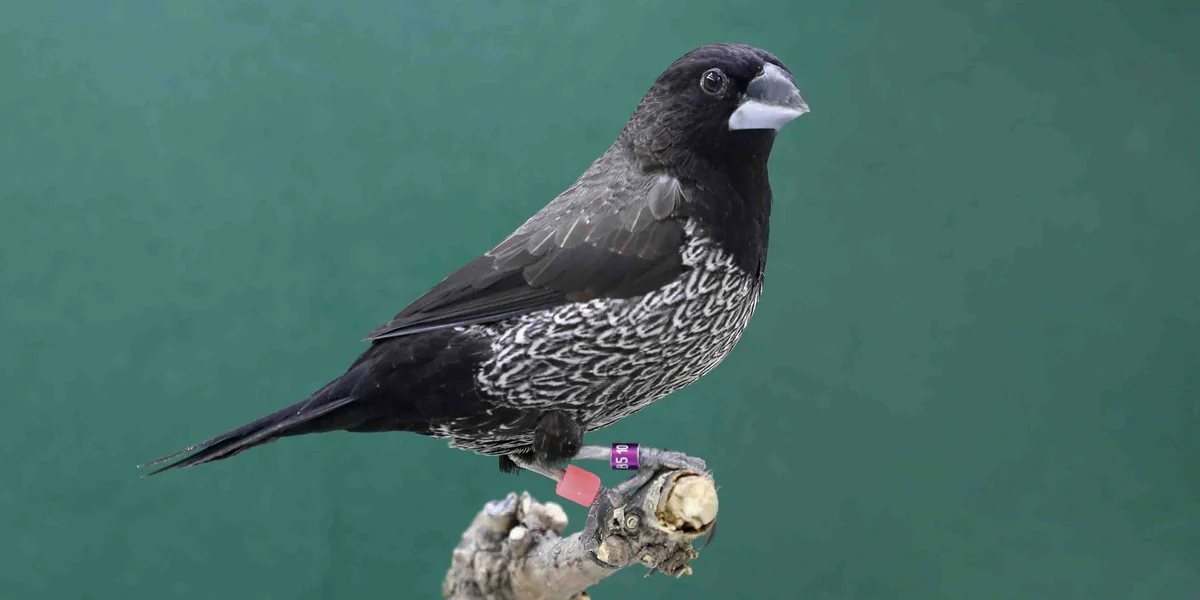
I like to think of a finch’s environment as the foundation of its entire wellbeing. The space I build for my birds affects every part of their health, mood, and daily behavior, and the more attention I give to their surroundings, the more relaxed and active they become. A safe environment gives them room to express natural instincts without unnecessary stress, and over time, I started noticing that even small adjustments made a big difference. From the layout of the cage to airflow, lighting, and household activity, almost everything plays a part in how a finch experiences its home. Building that environment takes patience, but once the essentials are in place, caring for finches becomes easier and far more rewarding. The calmness in their behavior, the energy in their songs, and the brightness in their posture all reflect how secure their space feels.
Cage Size and Placement
One of the first aspects I always evaluate is the cage size. Finches are active birds that rarely stay still, and I have learned that giving them space to fly horizontally inside the cage is far more important than simply providing height. A wide enclosure lets them stretch their wings, hop from perch to perch, and fly short distances, which is critical because finches maintain their physical and mental health through constant movement. If the cage is too small, I quickly notice agitation, feather plucking, or pacing, which signals that the environment is restricting rather than supporting them. A single pair of finches does best in a cage long enough to allow wing-flapping flight, and whenever possible, I go larger to ensure the space remains comfortable as their activity levels shift throughout the day. The goal is to create an environment that never feels cramped or limiting, especially because finches rarely perch on my hands and rely heavily on the enclosure as their main world.
Placement of the cage is another decision that shapes their sense of safety. I always keep their enclosure at eye level or higher, because birds generally feel threatened when they are lower than the movement around them. This simple height adjustment reduces fear responses and makes them more confident in their space. I avoid busy walkways, loud entertainment areas, and cold draft zones. Finches thrive where there is gentle household activity but not constant disruptions. A location that receives natural daylight without the harshness of direct afternoon sun works best, and I pay attention to how shadows and sudden movements might affect them. I treat their placement like selecting a quiet neighborhood where they can feel present without being overwhelmed.
Perches and Cage Interior Safety
Inside the cage, the details matter just as much as the placement. Perches are essential for movement and foot health, and I make sure to provide different widths and natural textures. Using only identical round perches creates foot strain, while offering a mixture of natural branches, smooth dowels, and textured surfaces keeps their grip strong and varied. I avoid perches placed directly under food or water stations to reduce contamination and monitor for any signs of fraying rope or splintering wood if I use natural branches. Finches interact with these surfaces all day, so I adjust them regularly to encourage movement patterns that mimic natural behavior.
The cage interior should also remain simple enough to prevent accidents. While enrichment is important, overcrowding makes it harder for finches to navigate and increases their risk of collisions. I keep their flight paths clear, especially across the middle section of the cage where most of their movement happens. Any toys I add are light, free of sharp attachments, and easy for them to ignore if they are not interested. Heavy hanging objects or anything with exposed wires can cause injury, and I avoid fabric items that might unravel because finches often nibble and tug at loose threads. The guiding idea is safety through simplicity, giving them structure without clutter.
Lighting and Daily Rhythm
Lighting plays a significant role in finch wellbeing. Their internal rhythm depends on a predictable day–night cycle that resembles nature as closely as possible. I maintain a consistent light schedule that mimics natural sunrise and sunset, and I avoid placing them in rooms where lights turn on and off randomly, especially at night. Sudden nighttime brightness can cause panic, which often leads to frantic fluttering and potential injuries. A stable rhythm keeps their hormones balanced and supports regular molting, feeding, and resting habits.
Natural light is ideal, but I always prevent direct midday sun from hitting the cage because it heats the enclosure quickly and can make the air uncomfortably dry. If I use artificial lighting, I make sure it provides a full spectrum that supports their circadian rhythm without flickering. Flicker is usually not visible to the human eye, but birds detect it and may become anxious if the lighting feels unstable. A healthy lighting environment allows them to maintain energy levels throughout the day and encourages proper sleep once darkness arrives.
Temperature and Airflow Management
Finches are sensitive to temperature changes, so I keep their living area within a stable range. Rapid fluctuations or drafts can cause stress or illness, especially during seasonal transitions. I pay attention to vents, windows, and gaps where cold or hot air may flow directly onto their cage. Even if the room feels comfortable to me, a draft can create uneven pockets of temperature that affect the birds more dramatically. Stability is the goal. Consistent warmth makes them active, while sudden chills may cause puffing or lethargy.
Airflow matters just as much as temperature. Rooms with stagnant air encourage respiratory issues, while areas with excessive wind create stress. I aim for gentle, steady air circulation without direct streams flowing at the cage. Household items like candles, air fresheners, spray cleaners, and scented diffusers also affect finches because their respiratory systems are delicate. I avoid using anything with strong fumes near them, and I keep their environment naturally fresh by maintaining clean surfaces, washing their dishes daily, and replacing bedding before odors develop.
Noise Levels and Household Activity
Finches tolerate a certain amount of noise, but consistent loud sounds or sudden sharp noises can disrupt their sense of safety. I monitor the sound patterns in the room where the cage sits, especially because things that seem normal to humans can disturb birds. Televisions at high volume, slamming doors, loud music, or construction noise from outside can cause finches to retreat into corners or reduce vocalization. I pay attention to these behaviors because they usually indicate that the noise level is too intense.
Household activity also shapes how secure finches feel. Frequent movement directly around the cage can make them uneasy, so I try to maintain predictable patterns. If the cage is near an area where people come and go constantly, the birds may remain alert instead of relaxing. A moderate activity zone works best, where they can observe without feeling surrounded. This balance helps them adapt to the household routine without experiencing chronic stress.
Cleanliness and Hygiene Routine
Nothing influences finch health more directly than cleanliness. Droppings, discarded seed hulls, spilled food, and feathers accumulate quickly, and if I leave them unchecked, they affect air quality and encourage harmful bacteria. I follow a routine that breaks tasks into manageable steps so the environment never becomes overwhelming to maintain. Daily cleaning involves removing old food, washing bowls, and wiping down surfaces where debris gathers. Weekly cleaning includes replacing cage liners, washing perches, and checking corners where grime tends to accumulate.
Keeping the water clean is a constant priority. Finches drink frequently, and dirty water exposes them to bacteria that can make them sick. I refresh their water multiple times a day if necessary, especially in warmer weather when evaporation concentrates impurities. Clean water and fresh seed go hand in hand with environmental safety, and I treat both as essential daily responsibilities.
Safe Toys and Enrichment
Finches may not interact with toys the same way parrots do, but enrichment still plays an important role in creating a safe and stimulating environment. I choose items that encourage natural behaviors such as light swinging, climbing, or exploring. Lightweight swings, untreated natural branches, and millet sprays placed strategically around the cage encourage movement and curiosity. I avoid anything with small detachable pieces, exposed metal edges, or fibers that unravel. Even harmless-looking items can create risks if they are not checked regularly.
I rotate enrichment items occasionally to maintain interest, but I do this carefully because finches are sensitive to changes in their environment. Introducing new items gradually helps them feel comfortable without overwhelming them. I observe their responses, removing anything that causes them to retreat, hide, or reduce activity. Safety in enrichment means supporting curiosity while avoiding stress.
Safe Interaction With Other Pets
A household with other pets requires special attention. Cats, dogs, and even other birds can influence how secure finches feel. I never place the cage in a location where a cat can jump onto it or where a dog can stare into the enclosure constantly. Even if the cage is secure, the presence of a predator creates an ongoing stress response. I create barriers or supervise interactions so the finches never feel exposed. Separating their space from other animals helps establish a sanctuary where they can relax without fear.
If there are other birds in the house, I quarantine newcomers before introducing them into the same room. Illnesses spread quickly among finches, especially respiratory issues or parasites. Quarantine protects the existing birds and gives me time to monitor the new bird’s health. Once the birds are cleared, I place cages in positions where they can see each other without feeling trapped or threatened. Environmental safety includes both physical protection and emotional comfort.
Emergency Preparation
Part of maintaining a safe environment involves preparing for emergencies. Power outages, household accidents, and sudden temperature changes require quick action. I keep a backup heat source for colder months and make sure I know how to ventilate the room safely if it becomes too warm. I also keep a small travel cage that allows me to move my finches quickly if the main cage needs deep cleaning or if the room becomes unsafe due to fumes or repairs.
I store basic supplies such as electrolyte solutions, spare food, fresh bedding, and extra water containers. These small preparations reduce stress for both me and the birds during unexpected events. Environmental safety means not only creating stability in normal conditions but also having tools ready for unpredictable situations.
Final Thoughts
Creating a safe environment for finches is an ongoing process rather than a single setup. I constantly observe how my birds react to their surroundings, because their behavior tells me whether they feel secure, stimulated, and healthy. Each adjustment, whether it involves lighting, airflow, perch placement, or routine cleaning, strengthens their wellbeing and encourages natural activity. A finch that sings freely, moves energetically, and rests without fear is living in an environment that supports its needs. Over time, maintaining this safe space becomes second nature, and the bond formed through attentive care makes the effort worthwhile.