
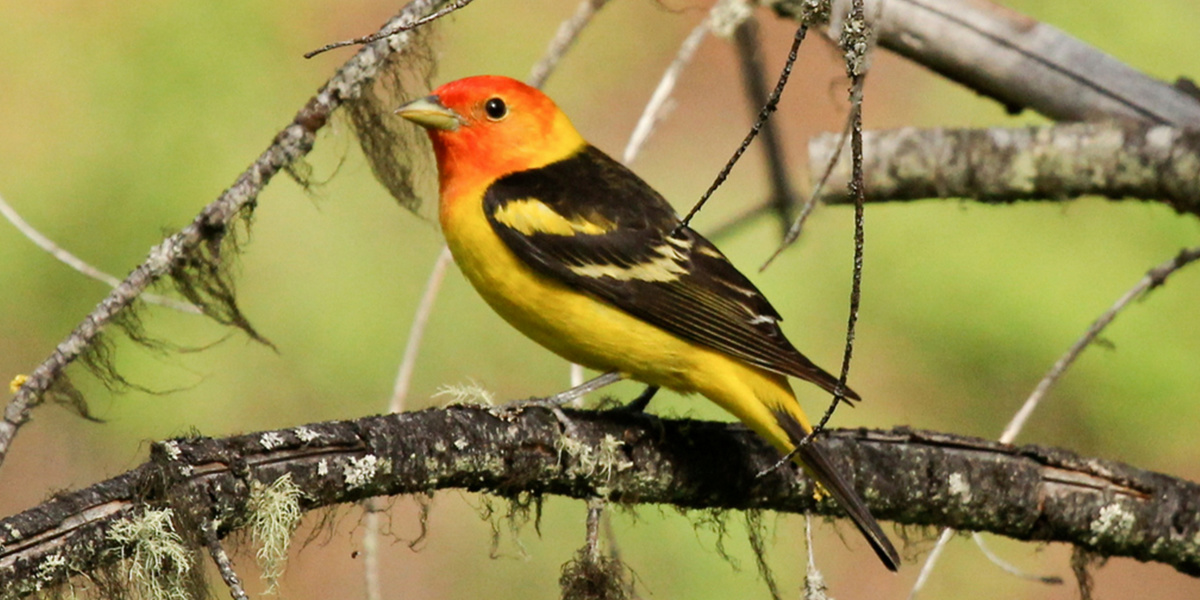
I like to think of a finch cage as a tiny world where small details matter far more than people realize. Finches notice everything, and the way their space is arranged affects how they fly, bond, rest, and explore. Over the years, I’ve seen how a well-decorated cage can turn shy birds confident and energetic, and how a poorly designed one can make them restless or withdrawn. So I approach cage decorating with the same care I would give to designing a living room that I plan to spend hours in. The difference is that finches cannot rearrange their own homes, so the responsibility falls entirely on me to make their environment as balanced, stimulating, and safe as possible.
Decorating like a pro isn’t about stuffing the cage with every accessory on the market. It’s about understanding the flow of movement, the natural habits of finches, and the subtle ways perches, plants, and toys influence behavior. What works for parrots often fails for finches, and what looks pretty to humans might interfere with flight patterns. I try to keep aesthetics secondary to functionality, letting beauty appear naturally as a result of thoughtful placement. The goal is always to create a space where finches feel secure, entertained, and comfortable while still giving the cage a clean and welcoming look.
Planning the Layout With Finch Behavior in Mind
Whenever I decorate a finch cage, I start by imagining the way the birds will use the space from the moment they wake up. Finches move horizontally, hopping and gliding along the width of the cage, so I pay close attention to anything that might block their natural flight paths. A cluttered upper section is a disaster for finches because it forces them to zigzag awkwardly and wastes their energy. I prefer to keep one clear flight line from end to end, leaving the center relatively open. This single decision makes the entire cage feel more spacious, even if it is on the smaller side.
Finches also love to perch at different heights depending on their mood. They go high when they want to feel secure, medium when they settle into a comfortable routine, and low when they are curious or searching for food. So I divide the cage mentally into three vertical zones and decide what belongs in each area. The highest perches should be stable and peaceful, away from food bowls or toys. The middle area is where I allow more activity, such as swings or smaller branches that finches can use to hop between levels. The bottom zone stays open with only a few accessories so that foraging trays or baths don’t interfere with movement.
I also think about how many birds I’m housing. A pair can tolerate closer spacing, but groups need more breathing room, especially males that may defend small territories. A pro-level layout isn’t just visually appealing; it helps prevent arguments by giving every bird a place to retreat.
Using Perches That Support Healthy Feet and Natural Movement
Perches are the backbone of any finch cage design, and I treat them like furniture pieces that shape the entire environment. Wooden branches are always my first choice because they offer variety in diameter, texture, and grip. Uniform dowel perches can lead to foot fatigue, so I avoid relying on them. A mix of thin and thick natural branches allows finches to adjust their grasp the same way they would in the wild. I like to add at least one slightly twisted branch because finches enjoy exploring unusual angles.
I avoid placing too many perches at the same height because that encourages dominance squabbles. Instead, I use a staggered pattern that creates a gentle staircase effect, allowing birds to move diagonally rather than jumping straight up or down. This keeps the flight line open and adds visual interest. A swing or two can fit nicely in the mid-height zone, but I keep them out of the direct flight path since finches dislike unpredictable obstacles swinging toward them.
A pro decorator also pays attention to how perches frame the space. A poorly placed perch can make a cage look cramped even if the dimensions are generous. I aim for balance: one high perch on the left, one on the right, one slightly angled across the middle, and maybe a thinner branch lower down to add variety. The result feels airy and stable rather than chaotic.
Adding Plants and Greenery for a Natural Look
Finches respond incredibly well to greenery because it taps into their natural instincts. Whenever I add safe plants or artificial foliage, the birds instantly explore the new shapes and hide among the leaves. The trick is not to overwhelm the space to the point that the cage becomes dark or crowded. I try to choose one or two anchor pieces that look like small shrubs, then fill in with lighter touches of leafy branches.
If I’m using real plants, I stick with safe options like spider plants, bamboo palm, or herbs such as basil. These add freshness to the cage area and give the birds gentle scenery to peek through. For artificial greenery, I make sure the leaves are free of paint flakes or hard edges. I secure everything tightly because finches love to tug at anything that looks loose.
A natural theme helps lower stress because it creates pockets of privacy where finches can tuck themselves away without feeling trapped. Even a simple leafy branch clipped to a perch can make a huge difference in how relaxed the birds appear. I place greenery near higher perches so the birds can roost behind cover, but I keep the center of the cage free of bulky décor to maintain that open flight zone.
Setting Up Feeding Areas That Blend With the Design
Feeding stations are often the least attractive part of a cage, but I’ve learned to incorporate them into the design instead of treating them as afterthoughts. I prefer clean, minimal dishes that don’t dominate the look of the cage. Placing food and water slightly lower helps reduce mess, and it prevents aggressive birds from claiming the top perches over food rights.
I usually place seed dishes on opposite sides of the cage if I’m housing multiple finches, which spreads them out and reduces competition. Water bottles stay along the sides where they don’t interfere with greenery or perches. I also include a separate spot for soft foods or greens so they don’t mix with dry seeds. A small platform or flat perch under food bowls keeps the area tidy and gives the birds a stable place to land.
The feeding area can also include small decorative touches. A natural wood platform instead of a plastic one provides warmth and aesthetic balance. A small cluster of leaves near the feeding bowls adds a sense of environment without blocking access.
Using Toys Sparingly but Effectively
Finches are not toy-obsessed like parrots, so decorating with toys requires restraint. Too many toys make the cage feel cramped and overwhelm the birds. I use toys to add texture, sound, or movement without dominating the space. A tiny wicker ball, a lightweight hanging star, or a small mineral block often works better than anything big or flashy.
I avoid toys with mirrors because they can trigger frustration or stress. Instead, I focus on toys that support natural behaviors such as foraging or gentle exploration. A millet clip near a mid-level perch doubles as a decorative accent and enrichment tool. A coconut fiber mat along one side of the cage gives the birds a surface they can nibble without losing flight space.
Every toy must serve a purpose. If it disrupts movement or adds unnecessary bulk, it doesn’t stay. A pro-looking cage always feels open, airy, and balanced even with enrichment options included.
Designing Cozy Nesting Zones Without Cluttering Space
Not all finch owners want nests in their cages, but when I include one, I decorate around it in a way that blends with the overall design. Finches appreciate privacy, so I place nests toward the upper corners where they feel secure. I avoid the direct top center because that tends to become a dominance hotspot.
A nest box or woven nest can be made more natural by adding a small amount of safe greenery around the entrance. I keep the surrounding area gently decorated without crowding the nest because finches need clear landing paths. A slight arching branch leading to the nest gives the cage a beautifully organic look and helps guide their movement.
If I’m not encouraging breeding, I still create resting spots that feel nest-like without including an actual nest. A leafy perch placed behind a cluster of greenery offers the same coziness without triggering nesting hormones.
Enhancing Visual Appeal Through Color and Texture
A well-decorated finch cage doesn’t rely on bright colors or flashy accessories. I lean toward earthy tones, natural wood, soft greens, and subtle textures that mimic nature. Finches appear more relaxed when their environment feels calm rather than chaotic. Color also affects how large the cage appears. Lighter shades make the cage look spacious, while darker accessories create visual heaviness that can shrink the perceived space.
I mix smooth and rough textures throughout the cage to give it depth. A driftwood perch paired with a leafy spray or a rough branch accented with soft moss makes the cage feel crafted rather than randomly assembled. Even the choice of substrate or paper lining at the bottom influences the overall look. A clean, simple base keeps everything above it visually tidy.
Good decoration is about rhythm: thick branch, light foliage, medium perch, open space, a single toy. When everything flows, the cage feels intentional and professional.
Keeping the Overall Cage Fresh and Inviting
Maintaining a beautifully decorated finch cage requires regular refreshing, even if the basic layout stays the same. I rotate small pieces of foliage, switch out natural branches when they wear down, and occasionally replace decorative toys. This keeps the environment stimulating for the birds and visually appealing for me.
Deep cleaning days also give me a chance to evaluate the design. If the cage feels more cramped than usual, I remove one accessory instead of adding something new. If the birds seem bored or inactive, I introduce a new perch angle or reposition a plant to create more shaded areas.
Pro-level decorating isn’t just about how the cage looks on day one; it’s about maintaining a dynamic, functional environment that ages gracefully and adapts to the birds’ needs.
Final Thoughts
Decorating a finch cage like a pro is a blend of creativity, observation, and practical decision-making. I treat the cage as a living space that evolves alongside the birds. When the layout supports natural behavior, the birds respond with energy and harmony. When the choices are balanced and intentional, the cage becomes a space that is not only beautiful to look at but also deeply enriching for the finches who call it home.