
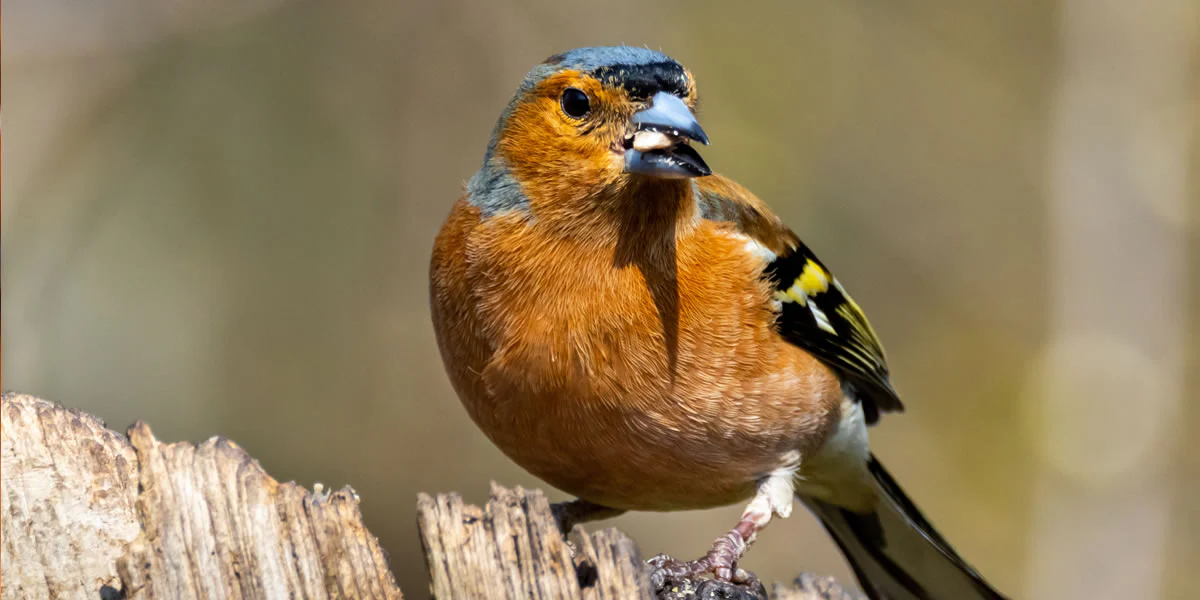
Finches rarely hide their intentions once you know how to read their body language, energy levels, and daily habits. I’ve spent years observing my birds make the slow shift from routine behavior into a more driven, instinct-guided rhythm that signals they’re preparing for the breeding season. Those patterns always start subtly, but once they build up, the signs become unmistakable. Identifying breeding-ready finches isn’t about guessing or relying on myths. It’s about paying attention to their natural cues and letting their behavior tell the story. The more I watched my birds, the easier it became to identify which pair was ready, which needed more time, and which still had development to do before stepping into the breeding cycle.
Noticing Changes in Daily Activity Levels
One of the earliest indicators shows up in how active the finches become. Their energy shifts into a more restless, purposeful rhythm, and I see them darting from perch to perch with more intensity than usual. This behavior isn’t frantic but focused, as if they’re working out their muscles in preparation for the demanding nesting season ahead. Males tend to express the change more dramatically, engaging in frequent short flights, playful chases, or hopping patterns that look like a warm-up routine. Females also become more active, though their movements are steadier and less showy.
I’ve learned to treat increased activity as a signal that their bodies are aligning with the seasonal cues around them. Birds that were previously calm suddenly start stretching their wings more often and exploring the cage layout with renewed curiosity. This shift always tells me that their instincts are waking up and that they’re entering a phase where bonding, nesting, and reproductive behavior are starting to take root.
Observing Male Courtship Displays
Male finches announce breeding readiness in ways that leave no doubt about their intentions. Their courtship displays become more frequent, more enthusiastic, and far more structured. In my experience, males usually start singing longer songs with more variations, and these songs often carry a sharper tone meant to grab the female’s attention. I’ve watched my males puff up their chests, hop in rhythmic patterns, and perform wing half-spreads that look like miniature dances.
These displays aren’t random gestures. They serve as a signal of health, confidence, and the ability to provide strong offspring. The more polished the display, the more likely the male is ready for breeding. If a male shows only half-hearted or inconsistent courtship behavior, I usually give him more time. A truly breeding-ready male keeps returning to the female, trying new displays, and maintaining vocal strength throughout the day. This persistence shows he’s in the right physiological and mental state, which matters greatly once nesting begins.
Monitoring Female Nest-Seeking Behavior
Females express their readiness through quieter but highly telling behaviors. I often notice them inspecting potential nesting spots, hopping inside small corners of the cage, and testing out the stability of areas they never cared for before. Even if I haven’t provided nesting materials yet, they still show a clear interest in evaluating the environment. They might sit inside nest boxes briefly, rearrange small pieces of bedding if available, or even mimic nest-building motions using cage corners.
This nest-seeking behavior reveals that the female’s hormones are shifting toward breeding. I’ve seen some females start practicing the posture they’ll later use for incubating eggs. Others begin vocalizing in softer, more repetitive tones, almost as if communicating back and forth with the male as part of the bonding process. These patterns are reliable indicators that the female is preparing herself mentally and physically for what comes next.
Assessing Physical Condition and Feather Quality
Healthy plumage is one of the clearest signs of breeding readiness. I make a habit of observing the condition of their feathers before the breeding season begins. Breeding-ready finches have smooth, vibrant feathers, clean wing edges, and a glossy shine that signals proper nutrition and internal balance. Any bird with ragged, dull, or fluffed feathers usually needs more time to recover, molt, or build up strength before being introduced into a breeding environment.
Physical strength also plays a role. I watch how they grip perches, how steady they appear during flight, and whether they handle longer active periods without fatigue. A breeding-ready finch maintains consistent energy throughout the day and moves with confidence. Their posture changes too, often appearing more alert and uplifted, as if their entire body is responding to internal hormonal shifts.
Watching for Intensified Bonding Behavior
Pair bonding becomes stronger in the days leading to breeding. Finches that barely acknowledged each other before suddenly start spending more time together. They perch side by side, preen each other gently, and engage in soft vocal exchanges that build their trust. This bonding phase is essential because it shows that the pair is mentally aligned and ready to cooperate through nesting, incubation, and feeding responsibilities.
I pay close attention to how balanced this bonding is. If one bird initiates all interactions while the other seems distant or reactive, the pair may not be ready yet. A breeding-ready pair communicates through subtle gestures. They move in sync, share space peacefully, and demonstrate growing comfort around each other. This harmony becomes a major predictor of breeding success, making it one of the most valuable signs to look for.
Tracking Changes in Vocalization Patterns
Finches speak through sound long before they act through nesting. Their vocal patterns shift into a more expressive rhythm as they prepare for breeding. Males especially extend their songs, adding trills, chirps, and quick melodic variations that I rarely hear during non-breeding periods. These songs serve both as a display to attract the female and a declaration of territory.
Females also change their vocal behavior. Their calls become softer, more frequent, and more responsive to the male’s singing. I often notice rhythmic exchanges between the pair that resemble a conversation. This vocal syncing tells me that both birds are aligning emotionally, which is a cornerstone of successful breeding. Paying attention to these sound cues gives me an early indication of how close they are to entering the full breeding cycle.
Evaluating Territorial Behavior
As the breeding season approaches, finches begin to show an increased sense of territorial awareness. This doesn’t mean aggressive posturing, although that can occasionally happen. Instead, I see them claiming specific perches, guarding feeding spots, or displaying mild warnings when other birds come too close. Territorial behavior often intensifies around nesting areas, even if no nest has been built yet.
This shift in behavior is a natural response to breeding instincts. Finches want a safe, stable environment for raising chicks, so they become more selective about space. If I notice one bird repeatedly returning to the same area, it usually signals that the breeding impulse is active and that they’re mentally preparing to defend a space for nesting.
Identifying Hormonal Behavior Shifts
Hormonal changes show up in subtle ways that become obvious once you know what to look for. Males may become bolder, more vocal, and more persistent in their interactions. Females may show increased appetite, especially for calcium-rich foods, which helps them prepare for egg formation. I also notice changes in posture, such as females lowering themselves slightly during certain interactions, which hints at receptiveness.
These hormone-driven behaviors develop gradually over days or weeks. Watching for them helps me determine which birds are truly ready and which still need time. Breeding readiness depends heavily on hormonal balance, and if I see even a few of these signs consistently, I know the bird is nearing the threshold of full reproductive readiness.
Noting Increased Interest in Grooming
Finches become fastidious groomers as breeding season approaches. I’ve seen birds spend extended periods preening their feathers, aligning each small feather meticulously. Grooming becomes more than hygiene; it’s part of preparing themselves for courtship and attracting a partner. A well-groomed bird shows confidence, health, and vitality, all of which are essential traits during breeding.
I also watch how pairs groom each other. Mutual preening reflects strong bonding and readiness. It shows trust, affection, and cooperation, qualities that become crucial later when incubating eggs or feeding chicks. A pair that grooms each other consistently almost always turns out to be breeding-ready within a short time.
Considering Environmental Triggers
Environmental cues play a major role in preparing finches for breeding. A slight increase in daylight hours, stable temperatures, and access to fresh foods often act as triggers. I’ve noticed that even minor changes like adding a richer seed mix or introducing bathing water can stimulate breeding instincts. The birds begin reacting to these signals by shifting their behavior toward reproductive readiness.
Maintaining a consistent environment helps me distinguish true breeding readiness from temporary excitement. When the birds respond positively to stable lighting, calm surroundings, and steady nutrition, I know their instincts are syncing with their environment and that their readiness is genuine.
Checking for Increased Appetite
Breeding-ready finches almost always begin eating more. Their bodies demand the extra nutrients to handle the upcoming physical tasks. I see both males and females showing more enthusiasm at food bowls, picking at calcium-rich supplements, or consuming fresh greens faster than usual. This appetite increase reflects the internal changes preparing them for nest building, egg formation, and chick feeding.
Tracking this pattern helps me know when to adjust their diet. Offering additional protein sources, sprouted seeds, and mineral supplements ensures they stay strong and healthy throughout the breeding cycle. Their appetite acts like a gauge, showing me how close they are to entering the breeding phase.
Final Thoughts
Identifying breeding-ready finches depends on paying attention to their behavior, posture, energy, and social interactions. The signs appear gradually, forming a pattern that becomes easier to read with experience. I’ve found that trusting these cues leads to more successful breeding seasons and healthier pairs overall. The more closely I observe their natural rhythm, the clearer it becomes when they’re ready to start the next stage of their lifecycle. If you want another article for your finch blog, just give me the next title.