
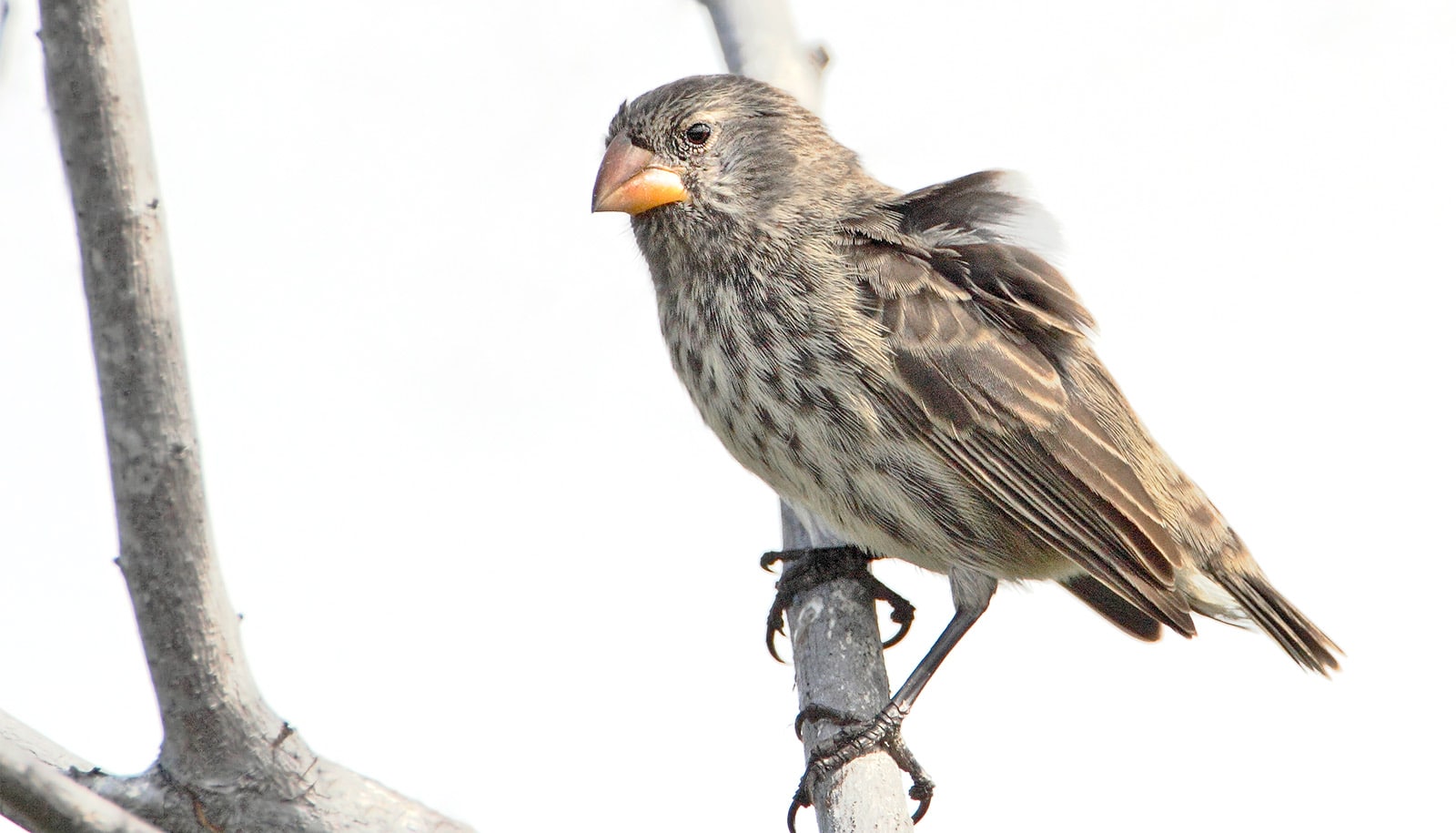
I’ve spent years watching finches move through their daily routines, and nothing fascinates me more than how naturally they interact with water. Whether it’s drinking, dipping their beaks, or splashing in a shallow dish, water seems to bring out a different side of these lively birds. Over time, I started realizing how closely their hydration habits tie into their overall health. This led me to pay more attention to the way they bathe, how often they seek out water, and what happens when water access isn’t ideal. Those observations completely reshaped the way I handle water and baths in my aviaries, and they’ve helped me maintain healthier, more vibrant birds.
Why Water Baths Matter For Finches
Finches may not be as dramatic as parrots when bathing, but they absolutely rely on regular access to clean water for more than just hydration. Anytime I introduce a bath dish, some birds rush in instantly while others take a few minutes to gather courage. Once they start splashing, that’s when the benefits become clear. A water bath helps remove dust, loose feathers, old oils, and debris that build up naturally. Finch feathers are delicate and rely on appropriate moisture levels to stay flexible, durable, and functional. Regular bathing helps maintain that balance and supports the bird’s ability to regulate its temperature.
I’ve noticed that finches with frequent access to water baths tend to preen more effectively. Preening is essential for redistributing natural oils and aligning feathers for insulation and flight. Birds that bathe more often maintain smoother, brighter plumage. This becomes especially important during molting, when the emerging feathers can itch or collect residue that makes the process uncomfortable. Bathing eases that irritation and encourages healthier feather regrowth.
Finches also seem to gain emotional comfort from their bathing routine. A flock that bathes regularly appears more active and engaged. My birds vocalize more afterward and move around the aviary with a noticeable sense of energy. It’s one of the simplest enrichment tools I use because it taps into their natural instincts without requiring extra training or adjustment.
How Often Finches Should Have Access To Baths
Through trial and observation, I’ve developed a rhythm that works well for my flock. Instead of offering baths daily, I typically provide them several times a week. This frequency keeps things balanced without overwhelming the birds or creating conditions where the cage stays damp for too long. Finches are sensitive to cold and drafts, so too much bathing can cause stress, especially during colder months.
On hotter days, my finches often bathe more readily, so I increase bath availability when temperatures rise. During molting seasons, I also offer baths more often to help ease discomfort. For juvenile birds still learning how to manage their feathers, I introduce baths gradually to make sure they feel safe and confident. Adult finches adapt quickly, but younger birds sometimes need more time to participate willingly.
Finches also vary individually. I have birds that will hop into the bath dish immediately every single time, while others prefer to wait or ignore it entirely. Instead of forcing participation, I offer the opportunity and let the birds decide. Over time, even the reluctant ones join in once they see others enjoying the water.
Types Of Water Baths That Work Best
I’ve experimented with a variety of bath setups, and each type has benefits depending on the birds’ personalities and the environment. The simplest and most effective option is a shallow dish placed either inside or attached to the cage. Finches prefer water that barely covers their feet, and shallow dishes give them the control and comfort they need to splash without feeling overwhelmed.
Cage-mounted baths with clear plastic covers are great for birds that are easily startled. The enclosed top reduces mess while giving the bird enough room to dip and flutter. These baths also prevent water from splashing onto the cage floor, which helps maintain a cleaner environment.
For larger aviaries, I sometimes use wide, low containers that allow several finches to bathe at once. Group baths are surprisingly social events. Watching a flock dive into the water together is one of the best ways to observe natural flock behavior. These moments also encourage birds that hesitate to take the plunge.
Regardless of which type I use, I always place the bath away from food and perches to keep water cleaner for longer. Finches tend to kick seed hulls around, and the last thing I want is a bath full of floating debris. Clean placement and design make a significant difference in how much the birds use the bath.
Water Temperature And Safety Considerations
Temperature plays a bigger role than many people realize. Finches do best with room-temperature water. Too cold, and I see them hesitate or rush through the bath. Too warm, and the water cools quickly, leaving them chilled afterward. Maintaining a comfortable temperature encourages relaxed bathing and reduces stress.
Another safety factor I pay close attention to is water depth. Because finches are small and lightweight, even medium-depth dishes can create slipping hazards. Shallow water gives them confidence and prevents accidental submersion. Slippery surfaces are something I avoid entirely. Any dish I use has a textured bottom or gentle ridges that help the birds maintain their footing.
Supervision isn’t always necessary, but it helps when I’m introducing a new type of bath. Once I’m sure the birds are comfortable and confident, they manage on their own just fine. I remove the bath after they finish to prevent the water from turning cold or attracting bacteria.
How Baths Improve Hydration And Overall Health
Hydration isn’t just about drinking for finches. Their bodies use moisture from their environment in multiple ways, and bathing supports that process. I’ve noticed that birds with regular bathing access rarely suffer from dry skin or brittle feathers. Water softens dust buildup, supports better preening, and allows oils to distribute evenly across the feather surface. This helps the birds maintain insulation, water resistance, and overall feather quality.
Bathing also stimulates circulation. The movement of dipping, fluttering, and shaking encourages healthy blood flow, especially in the skin and feather follicles. That’s why finches often appear more vibrant after a bath. Their bodies respond positively to the moisture and activity.
Another subtle benefit is respiratory comfort. While finches don’t inhale steam the way humans do, the slight increase in humidity around bath time can ease respiratory dryness. This becomes particularly useful in homes with dry air or during colder months when heating systems reduce humidity levels.
How To Keep Bath Water Clean And Healthy
Cleanliness determines whether a bath helps or harms a finch. Since finches kick feathers, seed hulls, droppings, and dust into their bath within minutes, I replace the water every single time I offer it. I never leave standing bath water out for long periods because bacteria thrive quickly in warm, damp environments.
I use only fresh, clean water with no additives. Some people use mild bird-safe solutions or herbal rinses, but I avoid anything that could irritate the bird’s eyes or skin. Plain water is ideal for their delicate systems. I also clean the bath dish after every use. Even if the water looked clean, the dish may carry residue that builds up over time.
Rotating between two or three bath dishes helps me maintain hygiene without constant scrubbing of the same container. I also make sure the dishes dry completely between uses, which helps eliminate hidden moisture that can harbor bacteria.
Seasonal Adjustments For Finch Bathing
Bathing routines shift with the seasons, and adapting to those changes keeps the birds healthy year-round. In the warmer months, baths can be offered more frequently, especially during heat waves when finches look for ways to cool down. I usually notice an increase in their enthusiasm for bathing during those times, and I let them enjoy water access more often.
During colder months, I reduce bath frequency but don’t eliminate it entirely. Instead, I offer baths during the warmest part of the day so the birds dry off comfortably. If drafts are a concern, I place temporary barriers around the bathing area or shift the bath inside a more protected space. Finches dry off quickly when they feel safe and warm, but they can catch a chill if conditions aren’t right.
Molting seasons bring their own demands. Birds actively look for baths because moisture eases discomfort and helps loosen old feathers. I always increase access during those periods and make sure their environment supports faster drying afterward.
Alternatives For Birds That Are Nervous About Baths
Not every finch dives eagerly into a bath dish. I’ve had birds that avoided water for weeks despite the rest of the flock enjoying it. Instead of forcing them, I began offering alternatives that gently introduced the idea of bathing.
Misting is one of the easiest methods. A light spray above the birds mimics natural humidity and rainfall. I never spray them directly; instead, I aim just above their heads so the fine droplets fall gently. Most birds eventually start fluttering their wings and preening once they get comfortable with the mist.
Another option is placing damp leafy greens like kale or spinach on a plate. Many finches love rubbing against the leaves, getting moisture on their feathers without fully immersing in water. This method works especially well for birds that are timid or recovering from stress.
Observational learning also plays a role. A reluctant finch often becomes more confident after watching others bathe. Group behavior can motivate hesitant birds over time.
Final Thoughts On Water Baths For Finches
Regular access to water baths has transformed the health and behavior of my finches in ways I didn’t expect when I first started keeping them. Bathing supports hydration, feather condition, comfort, and emotional wellbeing. It brings out natural behaviors that enrich their daily lives and helps them maintain the physical health they rely on for flight, temperature control, and grooming. Offering clean, shallow water in a safe environment is one of the simplest things I do for my flock, yet it delivers enormous benefits.
Do finches need water baths? In my experience, absolutely. They may survive without frequent bathing, but they thrive with it. Watching them splash, shake, and preen is not only enjoyable as a keeper but also a clear sign of birds engaging in essential, instinctive behaviors. With the right routine, water baths become a natural and valuable part of finch care, supporting healthier feathers, happier birds, and a more lively and content flock.