
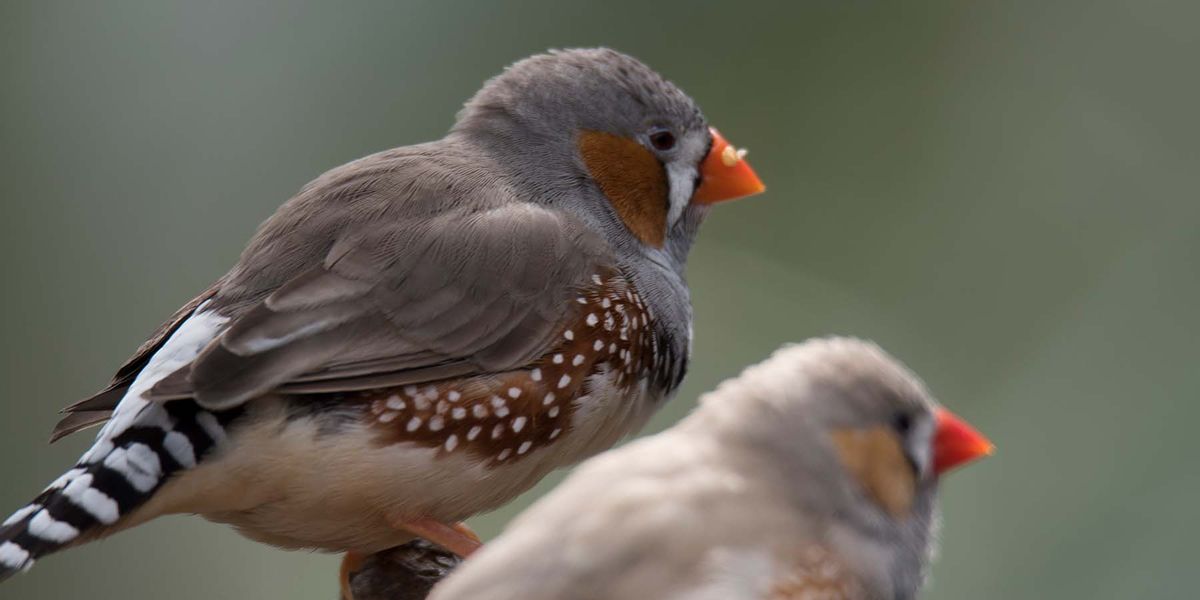
Zebra finches have a way of taking over a room without making much noise at all. The first time I added them to my aviary, I realized quickly why they’ve become the most popular pet finches in the world. They move with purpose, chatter softly, and seem to communicate with their entire bodies. Their presence adds life to any space, but what truly makes them fascinating is how much personality they carry in such a tiny frame.
The more time I spent around zebra finches, the easier it became to understand why so many bird enthusiasts recommend them to beginners. They’re hardy, active, and remarkably adaptable compared to other finches. Even though they’re small, they live big lives, and caring for them has taught me how rewarding it can be to watch a species that thrives on social interaction and constant activity.
What Makes the Zebra Finch So Popular
Zebra finches win people over almost instantly because of how naturally charming they are. Their distinctive markings stand out in any aviary, especially the males with their orange cheeks and zebra-like striping across the throat. But their appeal goes beyond looks. These birds maintain a lively rhythm throughout the day. They hop from perch to perch, communicate with gentle beeps and twitters, and investigate every corner of their environment as though they’re on a lifelong quest.
One trait I’ve always admired is how resilient zebra finches can be. They adapt to different housing setups more easily than many finch species, as long as the basic needs of space, cleanliness, and social companionship are met. Their hardiness makes them suitable for new bird owners still figuring out the pacing of daily care. They rarely act skittish or fragile; instead, they behave with confidence and curiosity, which helps create a relaxed environment for both the birds and the keeper.
Personality Traits That Stand Out
Zebra finches are social by nature, and keeping them in pairs or groups brings out the best in them. I’ve never seen a zebra finch thrive in isolation, and watching them interact reinforces how deeply connected they are to their flock dynamic. They mirror each other’s movements, vocalize softly throughout the day, and form tight bonds during breeding seasons.
Another trait that always impresses me is their energy. These birds stay active from morning to evening, often engaging in playful chases or short flights across the cage. Their constant motion doesn’t feel chaotic; it feels seamless and rhythmic, like they move with a sense of purpose. Because of that, they create a lively atmosphere that makes you feel more engaged with your aviary.
Over time, you begin to notice subtle differences in each bird’s behavior. Some are bold and explore first. Others are more observant, waiting to see what their companions do. These small distinctions give zebra finches more individuality than people expect from a species known for flock behavior.
Housing Zebra Finches Comfortably
One of the first things I learned about keeping zebra finches is that space matters more than decor. They thrive in long horizontal cages that encourage short flights. Vertical cages look appealing but don’t offer the same room for movement. When I shifted my birds into a wider enclosure, I noticed the difference in their activity levels immediately.
Perches should be placed at multiple levels but not too close to each other. Zebra finches like hopping from perch to perch rather than climbing around. Offering natural wooden perches of different thicknesses helps keep their feet healthy. I’ve also seen how much they enjoy having safe corners where they can rest without being in the center of attention.
Good ventilation is essential, especially in warmer climates. I learned early on that stagnant air quickly leads to stress. A well-ventilated room combined with a cage that doesn’t trap humidity keeps them healthy and active. Even though they’re hardy, zebra finches still depend on stable conditions to maintain their natural resilience.
Feeding Zebra Finches Correctly
Their diet may look simple at first glance, but there’s more nuance to feeding zebra finches than just offering seeds. While seed mixes form the base of their diet, I saw a noticeable improvement in their energy and feather condition once I introduced fresh greens, egg food, and occasional sprouts. These additions help balance their nutrition, especially during breeding or molting periods.
Fresh vegetables like spinach or finely chopped carrots bring variety to their meals. Some birds pick at them cautiously at first, but once they realize the taste, they start seeking out the greens almost every day. Providing cuttlebone is another foundational piece of their diet because it keeps their calcium levels steady. Zebra finches consume more calcium than you might expect, especially the females.
Clean water is just as important as food. I’ve made it a habit to change their water at least twice a day, particularly during hotter months. They drink frequently and sometimes dip their beaks in to cool off. When their water remains fresh, their overall behavior stays calmer and more consistent.
The Social Nature of Zebra Finches
Zebra finches flourish in social settings, and their flock mentality is one of the reasons they’re so enjoyable to observe. Keeping them in pairs or groups avoids the stress that comes with loneliness. A single zebra finch will often become skittish, withdrawn, or overly vocal. But once they have company, their natural rhythm returns.
I’ve found it rewarding to introduce new birds gradually. Letting them see each other through a divider or separate cage helps ease the transition. Once they’re comfortable, they settle into the flock dynamic quickly. Watching them form new bonds, share perches, and vocalize together adds depth to the experience of keeping them.
Their gentle communication style also stands out. Even though they aren’t loud birds, they talk to each other constantly in soft chirps. If you listen closely, you’ll notice patterns in their calls. Some signals mean excitement, others reassurance. These sounds fill the room with a peaceful background melody.
Health Considerations and Daily Care
Even with their hardiness, zebra finches benefit from consistent care. Cleanliness plays a major role in their long-term health. I make time every week to thoroughly clean the cage, perches, and food dishes. With small birds, waste builds up quickly, and ignoring it can lead to respiratory issues.
Their feathers also indicate how they’re feeling. A zebra finch in good health displays smooth, sleek plumage and stays active throughout the day. If I notice one spending too much time puffed up or sitting quietly in a corner, I know it’s time to monitor more closely. Early signs of illness can be subtle, but recognizing them makes a huge difference.
Another health aspect worth mentioning is temperature stability. Zebra finches prefer moderate environments, and sudden temperature changes stress them. During colder months, I make sure the room stays warm and draft-free. During hotter months, proper airflow prevents overheating. Their sensitivity to sudden climate shifts reminds me that even hardy birds require mindfulness.
Breeding Behavior and What to Expect
While zebra finches are often kept as pets, many keepers eventually show interest in breeding because of how naturally the birds take to it. Once a bonded pair forms, they begin inspecting nesting areas almost immediately. I’ve always found it fascinating how quickly they start preparing a nest once they decide it’s time.
Providing nesting materials such as coconut fibers or hay encourages natural building behavior. Zebra finches weave these materials with surprising precision. When eggs arrive, the parents take turns warming the clutch and feeding the chicks after they hatch. Watching the chicks grow is both heartwarming and educational, especially since zebra finches develop faster than many expect.
However, breeding should only be encouraged if there’s enough space and resources. Zebra finches breed frequently when conditions are right, and overcrowding becomes a real concern. I learned this firsthand when a single pair produced multiple clutches in a short period. Moderation is key, and removing nests temporarily helps control excessive breeding.
Daily Interaction Without Handling Stress
Zebra finches aren’t birds that enjoy hands-on interaction, and I’ve never forced handling on them. They shine best when observed rather than touched. Despite this, they become very comfortable with humans over time. Consistent feeding routines, calm movements, and speaking softly around them help build trust.
Eventually, they start associating you with safety and routine. They may hop closer when you approach the cage, watch you with interest, or chirp back when you speak. These subtle forms of connection are rewarding without placing stress on the birds. Their comfort becomes visible through their normal, relaxed behavior.
Interacting with zebra finches also means giving them an enriched environment. Toys aren’t essential the way they are for parrots, but they enjoy swings, tunnels, and branches of different shapes. When I add variety to their space, their activity levels rise, and they explore with renewed curiosity.
The Joy of Keeping Zebra Finches
Living with zebra finches brings a gentle happiness that’s hard to describe until you’ve experienced it. Their energy fills the room without overwhelming it. Their social nature creates an atmosphere of harmony. Their resilience makes daily care satisfying rather than stressful.
They’ve taught me that even small birds can have big presence. They’ve shown me that calm routines can build trust, that flock behavior can be deeply meaningful, and that observing quiet, consistent activity can be just as rewarding as keeping louder, more demanding bird species.
What makes zebra finches truly special is how naturally they fit into both beginner and experienced setups. They offer companionship, liveliness, and beauty without requiring complex care. And once you’ve lived with them long enough, you start to appreciate the simple routines that make them thrive.
Whether someone is starting their aviary journey or expanding an existing one, zebra finches bring a sense of balance and warmth that never fades. Keeping them has shaped my own appreciation for small birds, and every day with them reinforces why they remain the most popular pet finches around.