
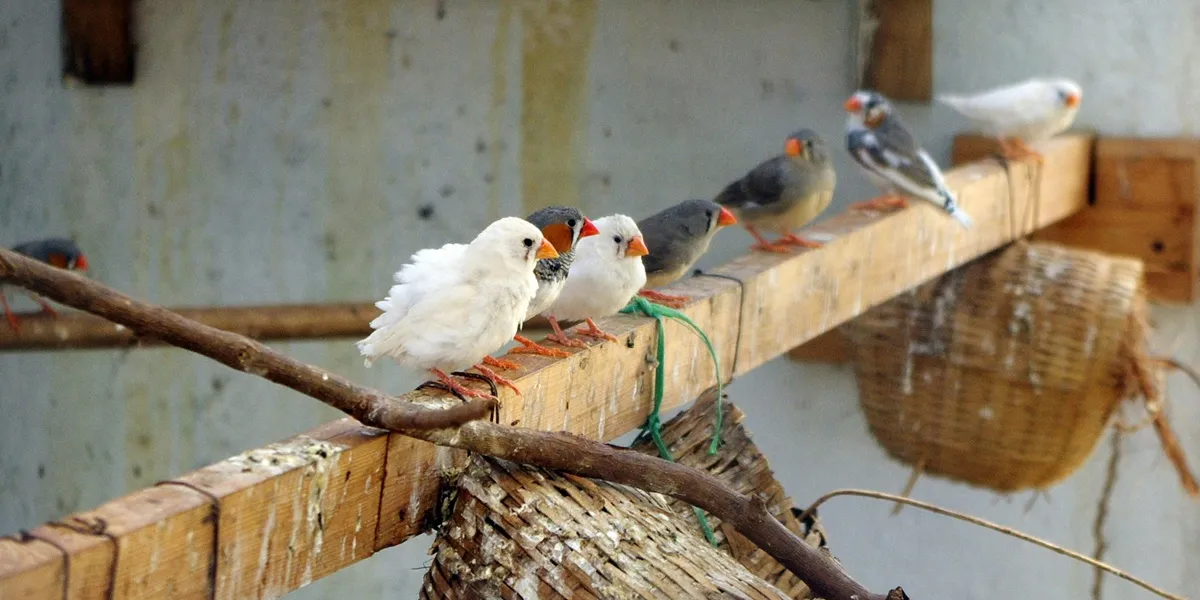
Finches rely heavily on their environment to stay healthy, confident, and socially balanced. Whenever I evaluate a cage for pairs or larger groups, I look beyond the usual measurements because a cage affects how finches behave, how well they bond, and even how they avoid conflict. Over the years, I’ve learned that the right cage can turn a nervous pair into a relaxed couple and a chaotic flock into a peaceful little community. That realization pushed me to examine cages more deeply, especially how size, shape, bar spacing, layout, and materials influence daily behavior for birds that are always on the move. This article breaks down how I determine which cages work best for pairs and groups and why certain features matter far more than most new finch owners expect.
Why Larger Cages Matter More for Pairs and Groups
A pair of finches might look small, but their energy level is enormous. Even two birds need enough length to fly, not just hop between perches. Once a cage houses a group, that need multiplies quickly. I have seen pairs that act calm in a large environment suddenly become territorial when moved to a smaller setup. The size of the cage directly affects their stress, aggression levels, and overall activity. Finches avoid confrontation naturally, and a wide horizontal space gives them options to fly away rather than fight.
For groups, crowding is the number one issue that leads to feather damage, panic flights, and unhealthy dominance behavior. I always picture how many separate areas exist inside a cage because finches like having micro-spaces to retreat into. The more usable zones there are, the easier it is for birds to live together without competing over everything. Length is always more important than height, and cages under 30 inches long rarely work well for more than a pair. The more room they have to glide back and forth, the more stable the flock dynamic becomes.
Ideal Dimensions for Pairs and Small Groups
I make decisions about cage dimensions based on the birds’ flight needs, not their physical size. A cage that is at least 30 inches long works for a pair, but I prefer something closer to 36 inches if I want them to stay active throughout the day. The width should allow them to turn comfortably during flight, so anything less than 18 inches starts feeling cramped. Height matters less, but anything under 18 inches tall limits vertical movement more than most people realize.
When housing a small group of three to six finches, the cage should reach a minimum of 40 to 48 inches in length. Even better is a flight cage around 60 inches long because the extra length creates isolated pockets of space that prevent constant interaction. Groups thrive when they can spread out naturally. Every additional bird increases the demand for length far more than height because horizontal flight routes reduce stress.
How Bar Spacing Influences Safety and Comfort
The bar spacing on a cage can completely change whether the cage is safe. For finches, anything wider than half an inch becomes a risk. Narrow spacing protects them from slipping through the bars and prevents heads and wings from getting caught. Too-wide spacing also creates a psychological issue because finches feel insecure when gaps are large enough for them to sense exposure.
Even within the safe range, I notice behavior shifts depending on the exact spacing. Bars spaced at three-eighths of an inch tend to make finches feel more secure inside groups because the tighter spacing gives them a stronger sense of enclosure. When spacing moves closer to half an inch, they still stay safe, but they become more alert, especially near the edges. I always choose the smallest spacing available while still allowing adequate airflow.
Why Shape Matters More Than Most People Expect
The shape of the cage influences how finches use the space. Long rectangular cages are the best because they provide continuous flight paths. Tall, narrow cages are nearly useless for finches because almost none of the height translates into flight opportunity. Rounded cages or odd geometric shapes also create dead zones where birds cannot move comfortably.
Rectangular flight cages encourage calm flock behavior because finches spread out naturally along the length. This creates a rhythm to their daily routine where pairs perch together, groups rotate between different areas, and the overall movement becomes predictable. That predictability reduces stress. I avoid cages with unnecessary curves or decorative shapes because finches value open lines of sight just as much as open flying space.
Cage Materials and How They Affect Everyday Life
Not all cages made from metal or wire are equal. Some finishes chip, some rust, and others make cleaning difficult. Paint on low-quality cages tends to flake over time, and finches explore surfaces with their beaks constantly. A powder-coated finish, on the other hand, holds up well and stays smooth even under constant contact.
I also avoid plastic cages for groups. Plastic panels block airflow and dampen natural sound patterns, creating a stale environment that affects flock behavior. Metal flight cages allow light to pass through evenly, which helps maintain natural rhythms. I always check latches and doors because pairs and groups need multiple access points during cleaning or feeding. Weak doors become dangerous when several birds try to squeeze past each other at the same moment.
Internal Layout and Why It Affects Group Harmony
The inside of the cage matters just as much as the cage dimensions. Pairs need a layout that encourages bonding without letting one bird dominate too much territory. Groups require even more thought because placement determines how many safe resting zones exist. I avoid crowding the interior with unnecessary items. The more open the middle flight path remains, the healthier the birds stay.
I arrange perches so they do not stack directly over one another because droppings quickly become a hygiene issue when birds live in groups. Finches prefer horizontal perches at different heights, but if everything lines up vertically, the lower birds always end up dirty. I also create a varied environment so dominant birds cannot claim every important spot. That includes perches at both ends, several feeding stations, and a few quiet corners where shy finches can sit without being disturbed.
Why Multiple Feeding and Water Stations Prevent Fights
Many people underestimate how often conflict starts around food or water. A pair can usually share one dish without much trouble, but I still prefer to provide two feeding points so they do not crowd. Groups absolutely require multiple stations. The more birds in the cage, the more they need freedom to access food without lining up like they are waiting for a single tap in a crowded room.
Independent feeding areas reduce competition and lower the chance of chasing. Even calm groups develop tension if everything bottlenecks into one dish. The same rule applies to water. I normally place water on opposite ends of the cage so no single dominant bird can guard both points. It makes the whole group more harmonious.
Benefits of Removable Trays and Easy Access
Cages built for pairs and groups need features that simplify cleaning. More birds create more waste, and poor hygiene causes health issues quickly. Removable trays that slide out without disturbing the flock are essential. If the cage requires opening large doors just to clean the base, the birds become stressed every time.
Easy access also matters during maintenance, feeding, and rearranging perches. A cage with small doors is frustrating because groups react unpredictably when they panic. Large service doors give you the ability to work inside without your hands feeling cramped. I always check that the main doors open smoothly and latch securely. Birds in groups move rapidly, and a poorly designed latch becomes a disaster waiting to happen.
Best Cage Styles for Pairs
When housing a pair, I lean toward medium flight cages that offer a long, open space without feeling oversized for a small home. A pair flourishes in a cage with strong horizontal lines, multiple perch areas, and enough room for small flight bursts. I keep accessories minimal and focus more on giving them areas where they can stay active.
For pairs, the cage should allow enough space for independent movement so neither bird feels crowded. When a pair becomes bonded, they like spending time together, but they still need separate corners during molting or downtime. A well-structured cage prevents one bird from constantly chasing the other, especially if one becomes temporarily weaker.
Best Cage Styles for Groups and Larger Flocks
Groups need large flight cages with clear pathways and rectangular shapes that let them glide back and forth effortlessly. Tall but narrow cages lead to restlessness and reduced activity. I prefer cages that look more like indoor aviaries because they transform group dynamics quickly. Birds in larger cages move more naturally and maintain better feather condition.
I also look at whether the cage allows for expansion. Some manufacturers make modular designs where sections can be added. This works well if you plan to grow your flock gradually. Inside groups, harmony depends on space more than anything else. Birds that do not feel pressured stay calmer and healthier, and they build better social structures.
Placement of the Cage Inside the Home
Where the cage sits inside the home affects how finches behave. Pairs and groups react strongly to noise, vibration, lighting, and sudden human movement. A cage placed near constant foot traffic makes birds nervous. Groups especially remain alert when exposed to too much motion because any sudden event triggers a chain reaction of flight responses.
I place cages at eye level or slightly higher so finches do not feel threatened from above. A stable surface is important because shaky stands create anxiety. For groups, natural light helps regulate their daily rhythm, but direct sun can overheat them quickly. The location must balance brightness, stability, and a sense of safety.
How Perches Support Flight in Larger Cages
Long cages require careful perch placement to avoid interrupting flight patterns. I typically place perches on the far ends while leaving a clear path through the center. Pairs use these perches as launching points, while groups use them as resting stations between bursts of activity. If perches clutter the middle of the cage, finches lose their flow and constantly bump into things.
Natural wood branches offer better grip and support because the texture varies. This variety strengthens their feet and prevents pressure sores. For groups, mixing diameters gives every bird a comfortable option. I avoid smooth plastic perches because they do not provide enough grip during fast takeoffs.
Doors, Safety Locks, and Escape Prevention
Pairs and groups can be surprisingly clever when it comes to squeezing through small openings. A cage with flimsy locks becomes a danger immediately. I always check door mechanisms carefully because some designs look secure but open with very little pressure. Groups are especially notorious for rushing toward open spaces during cleaning or feeding.
Secure locks prevent accidental escapes when multiple birds sit near the entrance. I also check that the spacing around doors matches the rest of the cage. Some styles have wider gaps near hinges, which can become a trap for small finches. A well-designed cage keeps all openings consistent and smooth.
Why Some Cages Fail Even When They Look Good
A good cage is not defined by aesthetics. Some of the most attractive cages are completely unsuitable because they sacrifice functionality for appearance. I have seen decorative cages that look charming but offer almost no proper flight space. Others use bars that are too wide or designs that block airflow.
Finches do not benefit from ornate shapes, fancy domes, or unnecessary curves. Anything that disrupts their natural movement creates confusion and stress. The best cages prioritize practicality, durability, safety, and open layout. A cage that works well becomes a long-term investment in the birds’ wellbeing.
Setting Realistic Expectations for Group Housing
Group housing only works when the environment accommodates natural behavior. Some finches adapt easily, while others require extra space or more separation. A cage that works wonderfully for four birds may feel cramped for six. I always observe flock behavior closely because any sign of chasing, feather pulling, or cornering indicates that the birds need more room or a restructured layout.
Managing groups also means adjusting feeding stations, perch placement, and accessory density. The environment must evolve as the group grows or changes. What matters most is keeping the birds active, stimulated, and comfortable enough to express normal social patterns.
Conclusion
Choosing the best cages for finch pairs and groups comes down to space, structure, safety, and long-term ease of use. The right cage allows finches to behave naturally, maintain stable relationships, and stay physically active through daily flight. A well-designed setup reduces stress, prevents conflict, and supports a healthy flock environment. Over time, the cage becomes more than just housing; it becomes the foundation for every aspect of their wellbeing. I have seen how dramatically finches thrive when given enough space and a thoughtful layout, and that is why I always invest in cages that enhance their lives rather than limit them.