
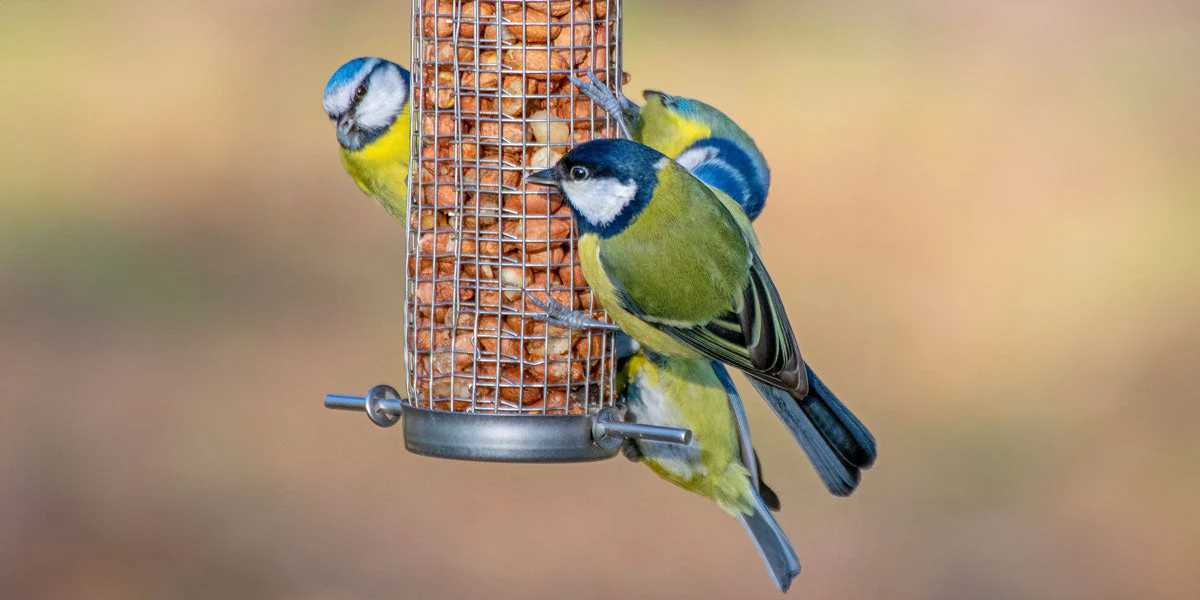
Feeding finches becomes a lot more rewarding when you start paying attention to how different seed mixes affect their behavior, energy, and overall well-being. I’ve gone through enough trial and error with my own birds to realize that not all seed mixes are created equal, and the difference between a basic blend and a carefully balanced one shows up quickly in their feathers, song, and activity level. When I think about choosing a seed mix, I’m no longer just grabbing a bag because it looks colorful or because it claims to be “premium.” The goal is always to match what finches naturally look for with what they need to thrive in a home environment.
Why The Right Seed Mix Matters
Finches may be small, but their nutritional needs are not simple. They burn a lot of energy, especially if they fly around their cage or aviary throughout the day. A good seed mix supports their metabolism, keeps their feathers in strong condition, and helps them maintain a stable immune system. When I started observing how each seed type contributes to different aspects of their health, it became clear that a balanced blend does more than fill their bellies.
A poor or unbalanced seed mix often leads to issues like dull feathers, reduced singing, lethargy, and even digestive trouble. Some finches become picky eaters when a mix contains too many filler seeds, which means they skip the nutritious options and survive on the equivalent of junk food. A high-quality mix avoids that problem by keeping each ingredient purposeful and digestible.
Seeds That Form The Foundation Of A Quality Finch Mix
There are certain seeds that show up consistently across reputable finch blends because they match both the size of a finch’s beak and their natural preference for smaller, energy-rich seeds. The most common base includes canary seed, millet varieties, and small oil seeds. Each one plays a specific role, and when combined in the right proportions, they form a reliable nutritional foundation.
Canary seed gives finches a major portion of their daily energy intake. It’s mild, easy to crack, and provides a steady supply of carbohydrates. The different millet types add variety while supporting digestive health. Oil seeds bring the fats necessary for feather shine, especially during molt seasons. A mix that uses these seeds thoughtfully tends to keep birds active, alert, and ready to perch and sing without any sluggishness.
Canary Seed And Why It Works So Well
Canary seed is usually the backbone of any serious finch diet. What makes it effective is how easily finches digest it and how comfortably it fits their natural feeding habits. The seed has the right balance of carbohydrates and protein to sustain their daily activity without overwhelming their system.
I’ve noticed that mixes with a higher proportion of canary seed keep my birds more satisfied and less frantic during feeding time. They don’t toss it around or waste it the way they do with heavier or oversized seeds. Instead, they settle into a rhythmic pecking pattern and seem more relaxed while eating. Consistency matters, and canary seed provides that stable baseline.
Millet Varieties That Support Balanced Nutrition
Millet is another key ingredient, and a mix that includes multiple millet types usually performs better than one that relies on a single variety. White millet is easily the most common, but red millet, golden millet, and Japanese millet bring in additional nutrients and keep birds engaged while they forage.
The different textures and shapes encourage natural picking behavior, which keeps finches mentally stimulated. When I switched to a blend containing a wider range of millet types, the birds seemed more focused on feeding and less prone to boredom. The added nutritional diversity also helps support molting, egg-laying, and juvenile growth without the need for constant supplementation.
Oil Seeds That Boost Feather Health
Finches need small amounts of fat to maintain feather strength and skin health. Seeds like niger, flax, and rapeseed deliver those fats in a concentrated but easy-to-digest form. The biggest mistake many owners make is feeding too many oil seeds because they assume more fat equals healthier feathers. In reality, too much fat can lead to weight gain and lethargy.
What works best is a mix that includes oil seeds sparingly, just enough to enrich their diet without overwhelming it. I always look for blends where oil seeds appear as accents rather than bulk fillers. Whenever my birds start molting, I notice they benefit from that extra boost, and their feathers come in smoother and without brittle edges.
The Problem With Filler Seeds
Some commercially produced mixes add large amounts of low-value seeds to increase volume and lower production costs. Filler seeds might look impressive in a bag, but finches usually ignore them or toss them aside while searching for nutrients. The most common fillers include cracked corn, large sunflower pieces, and oversized grains.
Mixes heavy in filler seeds not only waste money but also create mess and encourage malnutrition because birds end up eating only the small seeds they prefer. I’ve learned to avoid any blend where the filler seeds are immediately noticeable or where the ingredient list reads like it was made for larger birds. Finches thrive on small seeds, not bulky grains.
Supplementing Seed Mixes For Complete Nutrition
A seed-only diet doesn’t fully meet a finch’s nutritional needs. Even the best mixes benefit from supplements like greens, egg food, and small amounts of fruit. I’ve made it a habit to pair a high-quality seed mix with soft foods at least a few times per week to round out their vitamins and minerals.
Adding small portions of spinach, kale, or shredded carrot can significantly improve their nutrient intake. Egg food supports breeding pairs and molting birds, while occasional fresh fruit brings hydration and natural sugars. A seed mix forms the base of their diet, but these extras turn it into a complete feeding system.
Seed Mixes That Perform Best In Small Aviaries
Not all finches live in the same type of housing, and the size of the enclosure affects how quickly they burn energy. In small aviaries and larger cages, finches move more freely and require seed blends with a higher balance of protein and fat. I always pick mixes with a stronger proportion of oil seeds and millet for active flocks because they need more sustained energy.
Mixes designed for aviaries often label themselves accordingly, but I always confirm by checking ingredient ratios. The birds in larger spaces tend to stay healthier with denser nutrition because they instinctively fly more, forage more, and explore their surroundings throughout the day.
Seed Mixes That Work Well For Single Finches Or Pairs
Single finches or bonded pairs that live in medium-sized cages have different needs from larger flocks. Their daily activity level is lower, and they don’t burn as many calories, so mixes with high fat content can actually cause unnecessary weight gain. Lightweight blends that focus on millet varieties and canary seed tend to work best.
I’ve found that these birds respond well to predictable mixes with fewer variations, as long as the base ingredients are high quality. Their digestion remains consistent, their feathers stay glossy, and their song patterns stay stable when they aren’t overloaded with rich seeds.
How Seasonal Changes Affect Seed Mix Requirements
Finches experience seasonal shifts in energy, feeding habits, and feather cycles, even when kept indoors. During colder months, they often need slightly richer mixes with additional fats to keep their bodies warm and their immune systems stable. During breeding season, they require protein-rich additions to support egg laying and chick development.
Seasonal adjustments don’t always require switching brands, but they do involve adding or reducing certain seeds. For example, niger seed can be increased during colder periods, while high-fat seeds should be reduced in warmer months to avoid unnecessary weight gain. Paying attention to these shifts helps maintain consistent health all year long.
How To Evaluate A Seed Mix Before Buying It
I always start by reading the ingredient list instead of trusting the marketing on the package. A good seed mix lists its ingredients clearly and avoids vague terms like “mixed grains” or “general bird seed.” The more specific the list, the better the chances that the mix was formulated with finches in mind.
The next thing I do is shake the bag slightly and look at how the seeds settle. If the mix contains a lot of broken pieces, dust, or uneven textures, I usually avoid it. High-quality blends maintain their shape and look clean even after shipping. Packaging also matters because bags with freshness seals tend to keep seeds crisp longer.
Preparing Seed Mixes Before Feeding
Even the best mix benefits from a quick inspection before feeding. I usually pour a small amount into my palm to check for dust, debris, or stale seeds. If seeds look dry, chalky, or discolored, I throw them out and open a fresh batch. Clean seed feeders make the biggest difference in how finches respond, so I pair a good mix with consistently washed feeding trays.
Sometimes I add small amounts of crushed eggshell or mineral grit around the feeding area to improve digestion. These extras support the breakdown of seeds and help birds absorb nutrients more efficiently, especially if they’re breeding or molting.
Seed Mix Brands That Usually Perform Well
Different regions offer different brands, but some consistent trends apply across the board. Brands that specialize in small birds usually craft mixes with better ratios of canary seed and millet. Any brand that focuses on parrot mixes, pigeon feed, or general wildlife seed rarely gets finch mixes right.
What I look for most is transparency. Brands that show exactly what’s in the bag and avoid unnecessary additives usually outperform the ones that rely on flashy packaging. Performance shows in how quickly birds finish their portions and how little waste remains in the tray afterward.
Monitoring Finch Health After Switching Seed Mixes
Whenever I introduce a new seed mix, I monitor my birds closely for changes in droppings, energy levels, and feeding behavior. Healthy finches stay active, maintain steady weight, and continue singing throughout the day. If a mix isn’t working, the signs appear quickly. Birds might become restless, lose interest in foraging, or develop loose droppings.
By watching these patterns, I can adjust their diet before the problem becomes serious. Over the years, this habit has saved my birds from nutritional deficiencies and unnecessary stress. A seed mix shouldn’t just look good; it should show results in real time.