
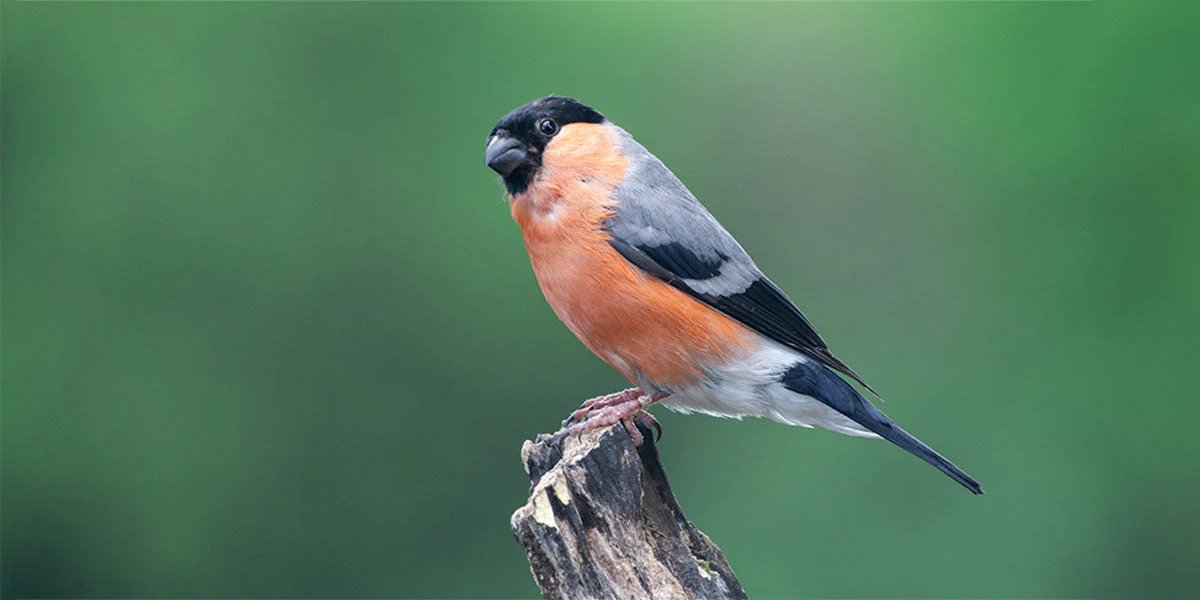
Breeding finches becomes a rewarding experience once you learn how to read their rhythms and give them the kind of environment that encourages natural behavior. I’ve bred finches long enough to know that nothing happens by luck. Everything from the temperature of the room to how secure they feel when they settle on a perch influences their instincts, and when these conditions line up, breeding becomes smooth and predictable. The early missteps I made taught me that finches rarely thrive under guesswork, so I began paying attention to the small details that guide their choices. That shift changed everything for me and turned breeding into a structured, enjoyable part of finch care.
Preparing the Breeding Pair
The foundation of successful breeding starts with having birds that are physically strong and mentally stable. I always begin by observing how two birds behave around each other. When they perch close together, call softly, and avoid any aggressive chasing, I know they’re compatible. Forced pairings tend to create tension, and tension delays the entire breeding cycle because one bird will always try to dominate the other. Compatibility shows up in their small habits, and those habits make a huge difference once nesting begins.
Health also plays a major role, so I look for bright eyes, steady breathing, neat feathers, and strong perching posture. Any finch that appears lethargic or fluffed up for long stretches is not ready to breed. A pair that goes into breeding season in peak condition usually produces stronger clutches and handles the intensity of parenthood without showing stress symptoms. Clean water, mineral supplements, and a balanced seed mix help strengthen their bodies long before the first egg appears. I also add fresh vegetables and sprouted seeds during this preparatory phase to support fertility and overall resilience.
Setting the Right Timing
Finches rely heavily on environmental cues to switch into breeding mode, and timing plays a huge role in that transition. I watch for natural behavioral hints such as more frequent singing, increased hopping between perches, and the way males start showing off by fluttering around the females. When these behaviors emerge, I know the pair is mentally ready. Forcing breeding outside their natural cycle tends to yield poor results, so I always let them signal when they’re prepared.
Light variations also influence their internal clocks. Extending daylight hours slightly by leaving lights on longer can encourage breeding behavior. I never jump from short light cycles to long ones instantly because abrupt changes can confuse the birds. I slowly increase the light window over several days, and eventually both birds settle into a routine that tells them it’s time for nesting. When the timing feels right to them, they show it clearly, and that readiness makes everything smoother afterward.
Preparing the Breeding Cage
The cage for breeding needs to feel secure, stable, and roomy enough for two birds to fly without bumping into perches or toys. I prefer wider cages because finches use horizontal space more than vertical space. Stress can shut down breeding quickly, so I keep the breeding cage in a quieter part of the room, away from loud household traffic. When the pair feels safe, they devote their energy to nest building instead of constant vigilance.
Inside the cage, I arrange perches in ways that mimic natural movement patterns. Placing one perch high and another halfway down encourages steady activity. I avoid clutter while still providing enough structure to keep them busy. Water and food bowls go on opposite ends to increase exercise, and I use a stable external nest box to keep the interior more open. Stability matters because shaky or poorly secured nest boxes make birds abandon breeding attempts.
Selecting Nesting Materials That Are Safe
Finches become enthusiastic builders when you give them the right materials. I provide natural fibers such as dry grass, coconut fibers, and soft hay strips. These materials are easy for them to weave and pose no risk of tangling around their toes. I stopped using synthetic fibers after noticing how easily they coil, which can lead to serious injuries. The safest materials are always loose, flexible, and breathable.
The amount of nesting material I provide depends on the pair’s habits. Some finches prefer doing all their work, while others need just a starter layer to motivate them. I avoid flooding the cage with too much material because a cluttered space tends to confuse the pair. A moderate selection gives them enough freedom to express natural nest-building instincts. As they progress, I add small amounts to keep them supplied without overwhelming them.
Encouraging Strong Pair Bonds
Healthy bonding makes breeding much easier because both birds contribute naturally to the process. I strengthen their bond by giving them enough space to move away from each other when they want. Overcrowded cages force constant interaction, and that leads to irritation or aggression. When the pair can approach and retreat at will, the relationship evolves more smoothly.
I’ve noticed that shared bathing sessions often improve bonding. Placing a shallow dish of fresh water in the cage lets them bathe together, which lowers tension and increases comfort. Bathing has a refreshing effect that seems to reset their mood. Bonded finches vocalize softly, perch closer, and show calm coordination, all of which help once eggs arrive.
Monitoring Egg Laying
Egg laying usually happens quietly, with the female settling deeper into the nest for longer stretches. I avoid unnecessary checking because disturbing the nest interrupts her flow. Whenever I need to inspect the eggs, I do it quickly and with minimal movement. Stress at this stage can make the female abandon the clutch, so my goal is to maintain a sense of normalcy inside the cage.
The number of eggs varies between pairs. Some lay three, others lay up to seven, but I always let the clutch develop naturally unless a health concern appears. If I notice uneven egg spacing, slow laying patterns, or signs of difficulty, I monitor more closely to ensure the female remains healthy. Calcium supplements help prevent egg binding and keep her strong during this demanding period.
Supporting the Incubation Phase
Incubation requires calm, predictable conditions. I keep the room’s temperature warm and steady, avoiding drafts or sudden shifts in the environment. The male and female typically take turns sitting on the eggs, though the female usually handles most of the work. I try not to introduce new toys or make big cage changes during this period because any adjustment can disrupt their focus.
The incubation phase teaches patience. Nothing dramatic happens for days, yet small disruptions can derail everything. I watch for signs of consistent sitting, soft vocal exchanges, and attentive posture. If both birds start leaving the eggs unattended for long stretches, it usually signals discomfort or insecurity, which means I need to adjust the environment to restore their confidence.
Caring for Newly Hatched Chicks
The moment tiny chirps begin coming from the nest, the entire energy in the cage changes. The parents start making more trips to the food bowls, and they often show a strong protective instinct around the nest. I give them high-protein foods such as egg food, soft seeds, and sprouted mixes to ensure they have the energy to feed their chicks. Hydration is also crucial, so I refresh water more frequently than usual.
The chicks grow quickly, and I avoid interfering unless absolutely necessary. If one chick seems weaker or colder than the others, I check to ensure the parents are feeding consistently. Most finch parents do a remarkable job, but occasional imbalances can happen. Any intervention must be gentle and brief because excessive handling disrupts parental confidence.
Fledging and Juvenile Development
Watching chicks take their first flights becomes a highlight of the breeding experience. They hop to the edge of the nest, stretch their wings, and eventually take short flights to nearby perches. During this stage, I make sure the cage layout allows safe movement. Sharp corners, overcrowded perches, or high-placed feeding bowls create hazards for unsteady juveniles.
Once they begin exploring, I introduce small food dishes placed low in the cage so the young birds can learn to feed themselves. The parents still supplement them, but self-feeding becomes a major milestone. As the juveniles strengthen, I gradually shift them toward the regular diet. Their confidence grows quickly, and the cage becomes a lively place filled with activity.
Separating Juveniles From Parents
At some point, the parents will signal that they are ready to rest or begin another breeding cycle. I separate the juveniles once they show confident flying and consistent self-feeding. Leaving them together for too long can create tension because adult finches often try to reclaim their space. Moving juveniles to a new cage also reduces overcrowding and lets them develop without competition.
I monitor the young birds closely in their new environment, ensuring they adapt to the feeding schedule, perching layout, and cage structure. This stage shapes their long-term health and behavior, so I treat it with the same attention I give the early breeding process.
Maintaining Long-Term Breeding Health
Finches should not be bred continuously. I always give them breaks to recover their strength and reset their natural cycles. Overbreeding leads to nutrient depletion and weakens the parents mentally and physically. Rest periods also help maintain stronger clutches in the next cycle. A well-rested pair consistently produces healthier chicks and behaves more harmoniously.
During the off-season, I enrich their environment with toys, fresh greens, and more flight opportunities. The variety stimulates their minds and brings back the playful energy that sometimes fades during breeding periods. A strong, healthy finch pair stays active, vocal, and alert long before breeding begins again.
Final Thoughts
Breeding finches becomes far more fulfilling when every step is intentional. The quiet observation, the environmental adjustments, the nutritional upgrades, and the patience required all play a part in shaping successful cycles. I’ve learned that finches respond best when their world feels predictable, safe, and rich in natural cues. When those needs are met, they thrive in ways that feel almost effortless.