
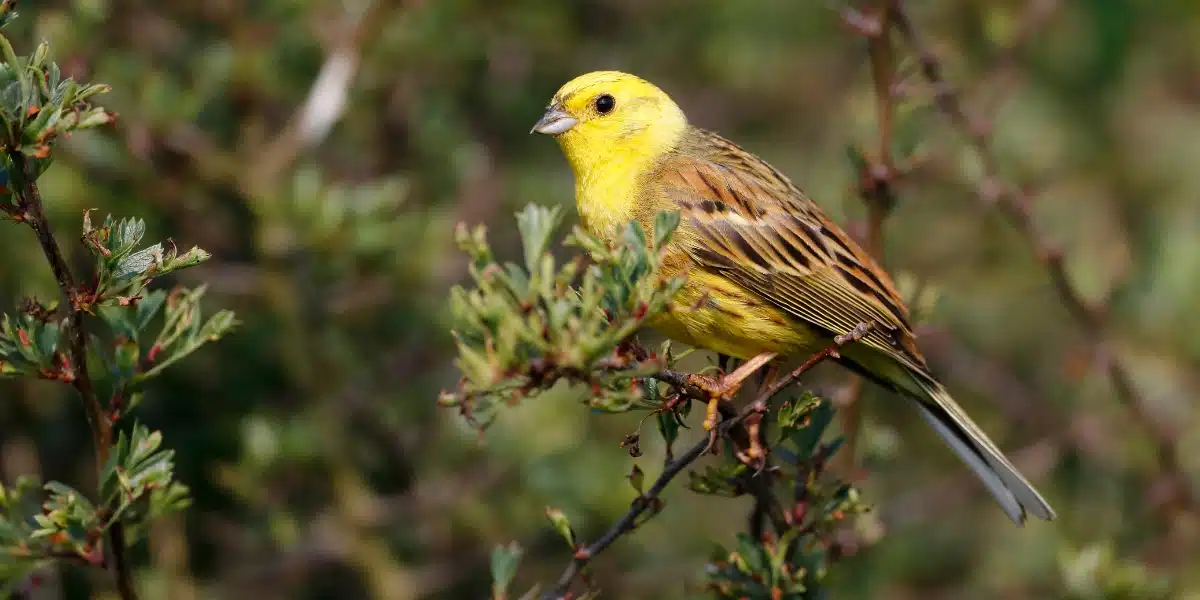
I pay very close attention to the temperature in any space where I keep finches because these tiny birds respond to changes in warmth and cold far more dramatically than most people expect. Their small bodies lose heat quickly, and they rely heavily on their surroundings to stay comfortable. Over the years, I’ve seen how a stable environment keeps them active, healthy, and social, while sudden fluctuations can make them stressed, quiet, or unusually defensive. Managing the temperature is not complicated, but it does require consistency and awareness, especially if the birds live indoors in a busy household or outdoors where weather patterns shift throughout the year.
Some finch species tolerate cooler areas better than others, but they all thrive within a fairly narrow temperature range. A comfortable, steady atmosphere gives them the energy to fly, sing, and interact without struggling to regulate their body heat. I’ve learned to observe small clues that tell me whether they feel too warm or too cold, and those signs help me adjust their environment long before issues arise. The temperature you maintain becomes part of their daily rhythm, affecting feeding habits, breeding behavior, and overall temperament.
Why Temperature Stability Matters So Much
I’ve noticed that finches behave almost like delicate instruments when the temperature drifts out of their comfort zone. Even small changes can influence how they perch, how often they eat, and how social they feel. When the temperature gets too low, I see them fluffing up their feathers for insulation and gathering near sheltered spots. When it gets too warm, they start holding their wings slightly open and breathing a little faster, showing clear signs of heat stress.
A stable temperature reduces physical strain because their bodies don’t have to work as hard to maintain equilibrium. That means more energy for better immunity, healthier feathers, and active daily behavior. Fluctuations also affect their sleep. Finches that are too cold will wake frequently and stay alert, which leads to fatigue and irritability. Those that are too warm may become restless and drink excessively, which can throw off their nutrition.
I consider temperature one of the foundational aspects of finch care, on the same level as diet and cage cleanliness. When it is right, nearly everything else falls into place.
The Temperature Range Most Finches Prefer
Most finches feel comfortable in temperatures between 20 and 25 degrees Celsius. This range keeps them warm enough to stay energetic without putting them at risk of overheating. Some species can handle variations, but this middle zone suits the vast majority, including zebra finches, society finches, and Gouldians. I aim for a steady point within the range instead of letting it swing from one end to the other.
If I keep finches indoors, maintaining this range is usually easy because modern homes already sit close to these temperatures. The challenge tends to be avoiding drafts, sudden chills near windows, or overly warm corners where sunlight or indoor heaters create hot pockets. I try not to rely on thermostats alone because individual rooms can vary widely even when the general house temperature stays the same.
Finches also respond well to slight seasonal shifts as long as the core range stays stable. A cooler night near 19 degrees or a warmer day near 26 degrees won’t harm them if the change happens gradually. What they cannot tolerate is abrupt movement from warm to cold or vice versa within a short period. Rapid transitions stress their bodies and often lead to respiratory problems or reduced appetite.
How I Monitor Temperatures Throughout the Day
Monitoring the temperature is not just about checking a single number on a thermostat. I walk around the room and take note of cold spots, warm corners, and areas where airflow could cause sudden drops at night. I keep a small thermometer on the side of the cage so I always know the immediate environment the birds experience, not just the temperature in the middle of the room.
I’ve found that mornings tend to be slightly cooler, especially in rooms with tile floors or large windows. Afternoons shift warmer, particularly if sunlight reaches part of the cage. Nights are the most important time to monitor because homes often cool down more than people realize. Heating systems sometimes reduce output after a certain hour, and finches can feel the difference quickly. I adjust ventilation, move the cage if needed, and make sure nothing produces a cold draft that could hit the birds directly.
By observing daily cycles, I get a clear sense of how to keep the environment balanced. This habit prevents many problems long before they appear.
Signs a Finch Is Too Cold
Cold stress in finches is very obvious once you know what to watch for. The most common sign is excessive feather fluffing. Fluffing to a small degree is normal, but when a finch stays puffed for long periods and looks like a tiny ball of feathers, it indicates the bird is trying to trap warm air. They may also huddle with cage mates or retreat to corners where they feel shielded.
Another sign is reduced movement. A cold finch becomes quiet and less interested in flight. I’ve seen cold birds refuse to bathe, eat less, and rest more frequently. In some cases, the beak and legs feel cool to the touch, which is a strong sign that the ambient temperature is too low for comfort.
Prolonged exposure to cold can weaken immunity and trigger respiratory infections. This is why keeping the temperature steady matters far more than waiting for symptoms to appear.
Signs a Finch Is Too Warm
Heat stress often appears more quickly than cold stress. One of the first signs is open-mouth breathing, even when the bird is not exerting itself. I also see finches holding their wings slightly away from their bodies to release heat. They become restless and may stop interacting with cage mates.
Excessive drinking is another clue. While healthy finches drink regularly, heat-stressed birds visit their water more often and may perch near it for long stretches. They avoid the highest perches and prefer lower, shaded areas. If the cage has poor ventilation, the situation becomes worse because trapped warm air rises and forms pockets around the birds’ favorite spots.
If the temperature stays too high, finches can experience fatigue, weakness, and in severe cases, life-threatening heat exhaustion. Once I see signs of heat stress, I adjust the environment immediately to prevent escalation.
Best Ways to Maintain a Comfortable Temperature Indoors
Indoor finch care allows more control, but it still takes effort to maintain stability. I place cages away from direct sunlight, heaters, kitchen appliances, and windows that leak cold air. Even a small shift in cage placement can significantly improve temperature stability.
Room heaters can help during colder months, but I avoid placing them too close because the air becomes overly dry. Instead, I use them to warm the general space while keeping a reasonable distance from the cage. If a heater dries the air, I add a small humidifier in the room to maintain balance.
Air conditioners are useful in warm climates, but they must not blow directly on the cage. I set them to moderate temperatures so the room cools evenly rather than blasting cold air into specific corners. Ceiling fans are helpful as long as the airflow remains gentle and indirect. Sudden gusts can stress finches even if the temperature is technically within the right range.
Managing Outdoor Temperatures for Finches in Aviaries
Outdoor aviaries give finches a more natural experience, but they also expose them to unpredictable weather. This means I have to take extra steps to protect them. The biggest advantage is airflow, but sometimes wind becomes too strong, and I need windbreaks or solid panels on one or two sides of the aviary.
The warm season is easier to manage because natural breezes and shade help keep the aviary comfortable. I make sure there are shaded areas at all times of day, not just in the morning or evening. As the sun moves, the shadows shift, so a single shade cloth is rarely enough. Several overlapping shaded sections work better and prevent heat pockets.
Cold seasons require more preparation. I use insulated sections, sheltered corners, and sometimes even outdoor-safe heating panels designed for aviaries. These help stabilize temperatures during the night. I also pay close attention to humidity because cold, damp air is more dangerous than cold, dry air. If the temperature drops too low for too long, bringing the finches indoors becomes the safest option.
How Humidity Interacts With Temperature
Humidity plays a larger role in finch comfort than many keepers realize. Warm temperatures combined with high humidity can create oppressive conditions that feel heavier than the actual number on the thermometer. Finches cool down using evaporation, so when humidity is high, they cannot release heat effectively. This leads to quicker heat stress.
On the other hand, dry and cold air can irritate their respiratory system. A room that drops in temperature and moisture at night creates a double challenge for the birds. I try to keep humidity at a moderate level, somewhere around 40 to 60 percent. This keeps breathing comfortable, feathers in better condition, and stress levels low.
I avoid placing water dishes or baths beneath heat sources because they increase evaporation and can elevate humidity excessively. Monitoring both temperature and humidity together gives a clearer picture of the bird’s actual comfort level.
Nighttime Temperatures and How They Affect Behavior
Finches rely heavily on restful nights. If the temperature drops too much while they sleep, they become restless and may shift perches frequently. I’ve heard them chirp lightly at night during colder periods, which is a sign of discomfort rather than social behavior.
A small but consistent night drop of a few degrees is natural, but anything beyond that can stress them. I take note of how different rooms behave at night. Some rooms retain heat better, while others cool rapidly. If the cage is in a room with large windows or tile floors, the nighttime temperature may fall lower than expected even if the thermostat stays set at a warm number.
I often use cage covers to help trap warmth, but I make sure there is still ventilation so moisture does not build up. A breathable cover stabilizes temperature without creating a stuffy environment.
Seasonal Adjustments and How I Adapt Temperatures
Seasons influence temperature expectations, and finches feel these changes strongly even indoors. In the warmer months, I adjust by increasing airflow, offering more shaded spots, and refreshing their water more frequently. I also shift perches slightly away from areas that accumulate heat, especially near windows.
During colder seasons, I prepare earlier than the temperature chart suggests. Homes tend to cool down quickly once the year shifts toward winter, so I make adjustments ahead of time. I use warm-colored lighting in the room to create a cozy atmosphere, ensure drafts are blocked, and sometimes add safe insulating materials around part of the cage area.
Small, thoughtful adjustments prevent the birds from experiencing sudden shifts that would otherwise interrupt their routine.
Final Thoughts
Maintaining the ideal temperature range for finches is one of the most reliable ways to support their long-term health and happiness. I treat temperature as part of the overall environment, something that requires steady care and awareness rather than occasional attention. When I keep the atmosphere stable, the birds thrive. They interact more freely, maintain healthier feathers, and show more curiosity in their environment. A balanced temperature forms the foundation for everything else in their care, and once it is right, the entire experience of keeping finches becomes more rewarding and peaceful.