
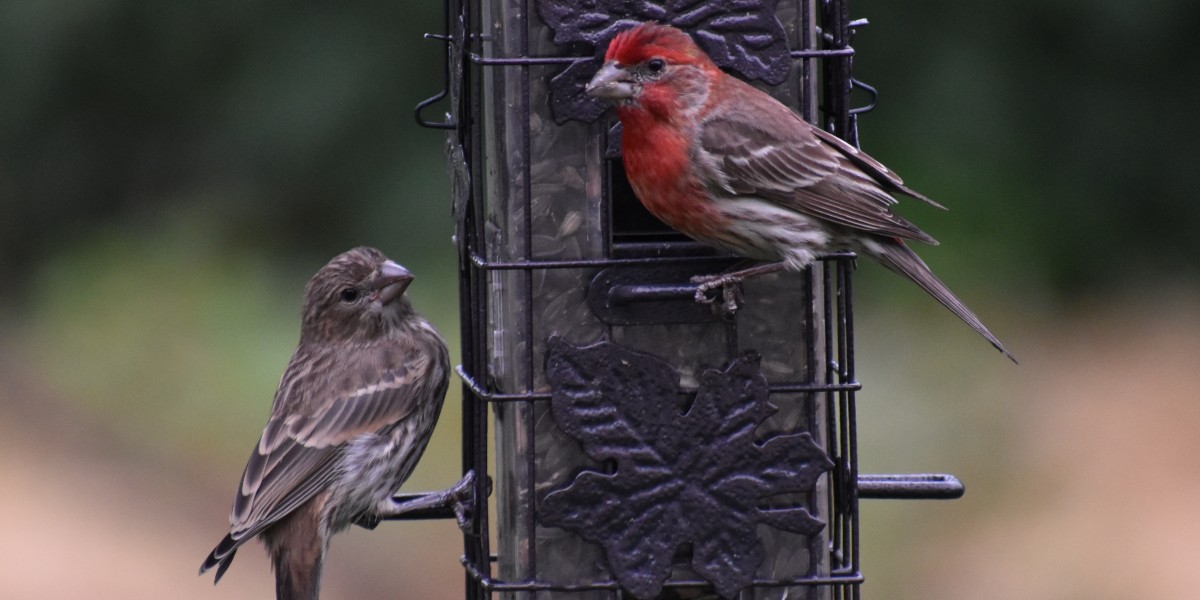
Caring for finches often feels effortless because of how lively, colorful, and energetic they are on a daily basis. That constant motion can make it seem like they rarely get sick, but I’ve learned that finches hide illness extremely well. That trait helps them survive in the wild, but it makes home care more challenging because problems show up long after they start. I rely on regular vet checkups to catch issues early, understand what is happening beneath the surface, and keep my birds safe before small changes grow into something serious. Preventive vet care has become one of the strongest tools I use to support long-term finch health, and it has saved me from dealing with emergencies that could have been avoided with earlier insight.
Finches may be tiny, but their systems are complex. Their bodies work fast, their metabolism shifts quickly, and small disruptions can escalate within hours. A visit to an avian veterinarian gives me insight into aspects of my birds’ health that I cannot measure on my own. Many problems start internally, and without hands-on examination, detailed weighing, or diagnostic testing, I would never know anything was wrong. By making checkups part of my regular care routine, I give my finches the benefit of early diagnosis, targeted treatment, and preventive support that goes far beyond what daily observation can offer.
Catching Silent Illnesses Early
Finches mask discomfort because predators target sick animals, and this natural instinct remains even in captivity. A bird may look perfectly fine while dealing with an internal problem that has already started to grow. I have had finches sing normally, eat well, and behave energetically during the early stages of disease, only for symptoms to appear suddenly later. By the time visible warnings show, treatment becomes tougher and stress levels rise for the bird.
How Vets Detect What I Cannot See
A vet checkup gives access to tools that reveal hidden problems. The physical exam alone can pick up weight imbalances, subtle breathing issues, early respiratory infections, swelling, hidden mites, and abnormalities in the feathers or skin. Vets can listen to the bird’s heartbeat, examine the mouth and nostrils, observe the eyes closely, and feel for internal lumps or organ enlargement. These are areas I cannot evaluate accurately at home.
Diagnostic testing deepens that insight. Fecal exams show bacterial imbalances, parasites, or fungal infections long before the bird changes its behavior. Bloodwork can reveal nutritional deficiencies, organ stress, or early metabolic problems. Early detection makes treatment milder, faster, and less stressful for the finch, and it reduces the chance that the issue spreads to other birds in the home.
Monitoring Weight and Nutritional Balance
A finch can lose weight quickly without showing any immediate symptom that stands out to me. Because they are so small, even a slight weight drop can indicate a serious issue. Regular checkups allow vets to track weight changes over time and compare them to healthy baselines. Weight fluctuations can reveal digestive issues, malnutrition, internal infections, hormonal imbalances, or even early organ problems.
How Vet Insight Improves Diet Decisions
During checkups, vets evaluate feather quality, bone strength, muscle condition, beak health, and energy levels. These clues help determine whether the current diet meets the bird’s needs. Even with a balanced diet at home, I may unintentionally create gaps in nutrition. Seed-only diets lead to deficiencies, but even mixed diets can fall short in minerals or vitamins specific to finches.
Veterinarians can recommend adjustments such as improved seed blends, safer fresh foods, pellet variety, or specific supplements. They can also identify overfeeding issues that contribute to obesity. I may think a finch looks round and healthy, but vets can tell whether that roundness is normal or a sign of excess weight that could lead to reproductive problems, fatty liver disease, or reduced mobility. Checkups put nutrition into perspective by showing the full picture.
Preventing Parasite Infestations Before They Spread
External and internal parasites often go unnoticed until they have already caused discomfort or stress. Mites, lice, and worms can develop quietly, and early signs are easy to miss. A finch may start scratching slightly, become restless at night, or lose a few feathers, but these subtle clues might not alert me right away.
Why Vets Are Better Equipped to Detect Parasites
During a checkup, vets examine the skin, feather shafts, and vent area for mites and lice. They take fecal samples to check for internal worms or parasites that weaken the bird slowly. Many of these parasites remain hidden during casual observation, especially since finches groom themselves frequently.
By finding parasites early, a vet prevents them from spreading to the rest of the birds. Treating a mild infestation is much easier than treating a severe one, and early treatment means less stress for the finch. Regular checkups interrupt parasite cycles by catching them before they become a problem.
Supporting Breeding Finches
Breeding causes extra demands on the body, and veterinarian guidance helps protect both adult finches and their offspring. Female finches face risks such as egg binding, calcium deficiency, reproductive exhaustion, and hormonal imbalances. Male finches may show stress from overbreeding, territorial issues, or changes in behavior.
How Checkups Strengthen Breeding Success
A vet evaluates the overall condition of the breeding pair, including calcium levels, weight stability, ventilation quality, and stress markers. This helps confirm whether the birds are physically ready for breeding. Vets also help prevent egg binding by recommending proper lighting schedules, nutritional planning, and calcium supplementation.
Healthy breeding pairs produce healthier chicks. Regular vet involvement ensures that chicks grow safely and that conditions avoid respiratory or bacterial issues that can harm young birds more easily than adults. Without these checkups, I would be guessing instead of making informed decisions about breeding readiness.
Managing Aging and Long-Term Health
Finches age quickly compared to larger pets, and subtle changes may appear too gradually for me to notice. Older finches face higher risks of organ decline, tumors, arthritis, and nutritional shifts. Their behavior may look normal even while internal systems slow down.
How Vets Support Aging Birds
Regular checkups help track how a finch’s body changes with age. A vet can detect stiff joints, reduced muscle mass, early cataracts, and heart changes that require diet or environmental adjustments. They also help modify lifestyle needs such as perch placement, cage temperature, lighting hours, and activity levels. Without routine vet input, age-related problems can go unnoticed until the finch is already struggling.
Avoiding Emergency Situations
An emergency typically develops after a finch has been sick for a while, but the symptoms remained hidden or subtle. Finches deteriorate quickly during emergencies, and by the time I recognize something is wrong, the situation can feel overwhelming.
How Regular Visits Reduce Emergency Risks
Prevention is the strongest defense against crises. Checkups identify infections, nutritional deficiencies, breathing problems, and early organ issues before they become severe. A vet can prescribe medication that stops infections early, suggest diet changes that improve immunity, and offer guidance that strengthens overall health.
This makes emergencies less likely because potential risks are addressed long before they escalate. A small adjustment in diet or environment suggested by the vet may prevent a major incident later.
Reviewing Housing Conditions
Sometimes the cage setup, lighting placement, perch arrangement, or ventilation in the room contributes to health issues. I might not notice these environmental effects because they happen gradually. A vet who understands finch behavior and biology can identify potential risks in the living space based on symptoms or early warning signs.
How Environmental Advice Enhances Health
The veterinarian may ask questions about cage location, airflow, bedding materials, perch shapes, or cleaning routines. Their recommendations can prevent respiratory problems, feather damage, foot sores, and stress-related illnesses. They may also point out hazards such as scented candles, aerosol sprays, or drafty windows that weaken finch immunity. These insights help me maintain a space that truly supports long-term health.
Reinforcing Safe Handling and Care Techniques
Even gentle handling can stress a finch if done improperly. Stress may not seem dangerous at first, but repeated stress weakens the immune system and increases disease risk. During vet visits, professionals show safe handling techniques and demonstrate how to support the bird’s body without causing fear or discomfort.
Why Handling Guidance Matters
Handling guidance helps me administer medication safely, examine my birds at home without causing panic, and build trust with them. It also reduces injury risk, both for the bird and for myself. These lessons improve daily care and improve safety during unexpected situations where I need to hold or move the finch quickly.
Understanding Behavioral Signals
Finches communicate health changes through subtle behaviors. A small reduction in singing, a shift in posture, quieter movement, or slight changes in droppings can reveal problems, but these cues can be easy to overlook. Vets help interpret these signals and explain what they might mean in the context of health.
How Behavioral Insight Helps Prevent Illness
During a checkup, I can describe anything unusual I have noticed, even if it seems minor. Vets evaluate those details and connect them to possible health conditions. Their interpretation helps me recognize future signs more easily. Over time, I become better at reading my birds and identifying when something is changing, which strengthens my ability to prevent illness between checkups.
Encouraging Strong Immune Systems
A strong immune system helps finches fight off infections, recover faster, and stay active. Vet checkups contribute to this by fine-tuning diet, identifying environmental risks, and recommending supplements when needed.
The Preventive Power of Professional Input
By working with a vet regularly, I create a plan that supports immunity year-round. This includes diet recommendations, safe lighting cycles, humidity control, and advice on reducing airborne irritants. These adjustments work together to strengthen the bird’s resilience against illness. Without professional guidance, it is easy to overlook small factors that slowly weaken immunity.
Building a Long-Term Health Plan
Every finch is different, and checkups reveal patterns that help build long-term health strategies tailored to each bird’s needs. This becomes important when caring for multiple finches, because not all birds age, eat, or respond to their environment the same way.
How Vets Personalize Finch Care
Through regular exams, a vet builds a complete health history for each bird. This history becomes invaluable for anticipating problems, making adjustments, and improving care routines. It also helps the vet identify trends such as chronic stress, recurring digestive issues, or respiratory sensitivity. Personalized guidance allows me to support each finch more effectively instead of relying on general care advice.
Final Thoughts
Regular vet checkups are one of the most powerful habits I rely on to keep my finches healthy, energetic, and comfortable throughout their lives. These visits reveal silent illnesses, guide better nutrition, prevent parasite outbreaks, support breeding, and help manage aging. They also reduce emergency risks and create a healthier environment through expert advice. My birds depend on me for everything, and routine veterinary care gives me the information and tools I need to give them the safest, healthiest life possible. If you want me to write another finch care article with the same structure and narrative style, I can start immediately.