
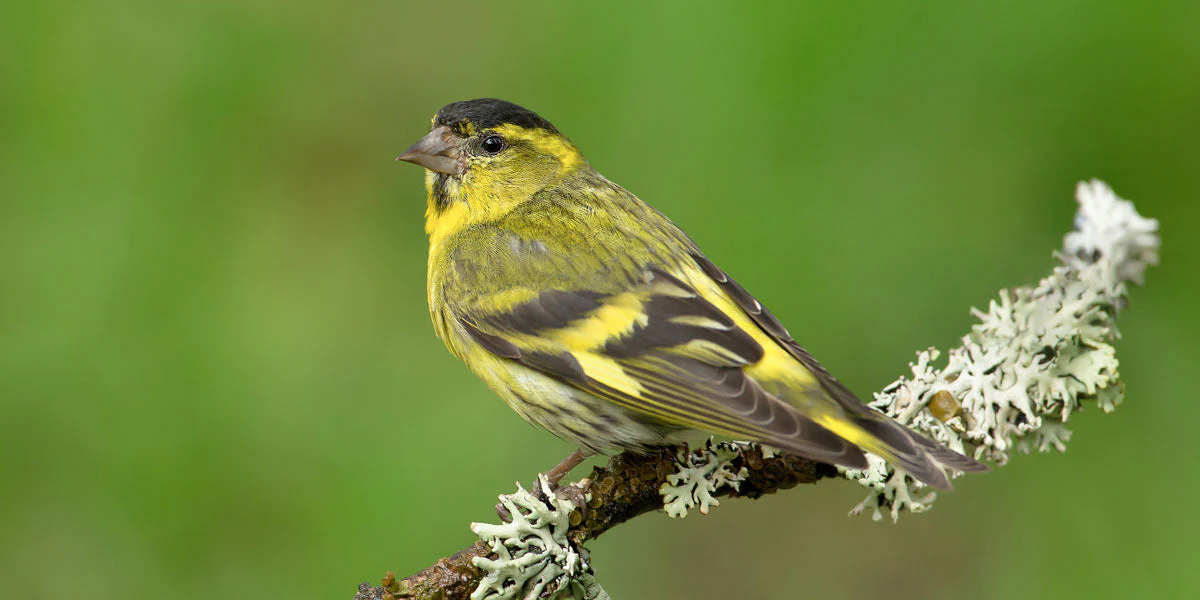
A silent finch can worry any bird keeper. I’ve spent enough time around these little birds to know that their songs reflect far more than simple noise. Their voices show confidence, comfort, energy, and the overall quality of their environment. When a finch suddenly goes quiet or never sings at all, something in its world has shifted. Instead of guessing, I take a full look at everything surrounding the bird, because silence is rarely random. It almost always leads back to health, environment, stress, or natural cycles. Once I understand the root cause, helping the bird recover its voice becomes easier.
Stress In The Finch’s Environment
Stress is one of the biggest reasons a finch goes quiet. A stressed finch rarely sings because singing requires a sense of safety. I watch for constant movement, nervous hopping, or frequent flight from one perch to another without settling. Those signs tell me the bird is uneasy. Loud rooms, new pets, rough handling, sudden changes in lighting, or unpredictable household activity all trigger stress. Even moving a cage from one room to another can unsettle a finch.
Finches need consistency, so whenever mine stop singing, I retrace every change I’ve made in the last few days. Sometimes the cause is something I barely noticed at first, like a new ceiling fan, a nearby speaker, or a different position for the cage. By reducing noise, anchoring them in a stable routine, and keeping the cage in a calm part of the home, the bird’s stress levels start to drop. Singing gradually returns once the finch feels safe again.
Lack Of Light And Natural Rhythm
Finches depend on natural light cycles to regulate singing behavior. I’ve noticed that even small disruptions in their light exposure shift their mood. Too much darkness dulls their activity, while harsh artificial lighting irritates them. Finches thrive under steady daylight patterns that allow them to wake with the sun and settle when light fades.
If a finch isn’t singing, one of the first things I evaluate is lighting. I avoid keeping them in dim rooms or under bright lamps all day. Consistent natural or soft daylight is best. A quiet sunrise-like environment in the morning often encourages a finch to chirp or whistle. Keeping lights off during nighttime ensures they rest properly. Once their internal rhythm stabilizes, their singing usually strengthens.
Health Problems That Mute Singing
A healthy finch sings effortlessly, and a quiet finch may be dealing with discomfort. Sickness, even mild, pushes singing to the bottom of their instincts. Respiratory infections, mites, nutritional problems, fatigue, and internal parasites all suppress vocal activity. I look at posture first. A finch that stands with fluffier feathers, reduced energy, half-closed eyes, or slow movements might be dealing with illness.
Breathing sounds are another clue. Clicking noises, tail bobbing with each breath, or open-mouth breathing signal respiratory trouble. Beak issues, nasal discharge, or difficulty perching also reflect health problems. If I see any of these signs, I do not wait. A veterinary checkup brings clarity much faster than guessing. Treating the underlying condition usually restores the finch’s singing as its comfort returns.
Diet That Does Not Support Energy
Finches rely heavily on diet to maintain their stamina, and singing demands energy. Whenever mine go quiet, diet becomes one of the first areas I inspect. A seed-only diet might seem normal, but finches need a balance of seeds, pellets, fresh greens, and small amounts of fruits or vegetables to feel their best. Seeds alone lack essential nutrients that support energy and muscle function.
I increase variety with leafy greens, sprouted seeds, fortified finch pellets, and mineral support like cuttlebone. Fresh water must always be available because hydration affects their throat, breathing, and overall activity. I’ve seen finches perk up quickly once their diet becomes richer and more complete. Their songs eventually follow, often sounding stronger and more consistent than before.
Molting Season Silence
Molting is one of the most natural reasons a finch stops singing. During molting, they lose feathers and grow new ones, which requires more energy and nutrients than usual. In this period, they often seem quieter and more withdrawn. I notice they spend more time preening or resting. Their focus shifts from signaling through song to supporting feather growth.
During a molt, I never pressure a finch to sing. Instead, I help by offering extra nutrition. Protein-rich foods, careful temperature control, and a peaceful environment give them room to complete the process. Once the new feathers come in, their confidence returns and their singing typically resumes on its own. Molting silence should never be confused with illness, so watching for normal behavior and appetite helps keep things clear.
Recent Changes In Housing Or Cage Setup
Finches value familiarity. Even minor adjustments in their environment can cause them to go silent. Moving their cage, adding new perches, switching toys, or changing room layout all affect their comfort levels. Whenever I rearrange their setup, I give the birds extra time to adjust. Silence right after a change is their way of processing new surroundings.
Instead of making frequent adjustments, I settle on a consistent cage design and only make changes when absolutely necessary. I place perches, food dishes, and toys in positions that feel natural for movement. By minimizing sudden shifts, the finches regain their courage to sing. Once they know their surroundings again, their natural vocal habits return.
Isolation And Loneliness
Some finches tolerate solitary life better than others, but most prefer companionship. A lonely finch often stops singing because singing is partly social behavior. If a finch has always lived with others and suddenly loses a companion, the silence can be striking. The lack of contact removes one of their strongest motivations to vocalize.
Finches rely on flock activity to feel secure. Whenever a single finch becomes quiet, I evaluate whether social needs are being met. If possible, I introduce another finch, but I do it carefully and slowly. A mirror can help temporarily, but it does not replace real social interaction. Once they regain a flock-like environment, their singing usually improves because their emotional security grows.
Temperature Problems And Drafts
Temperature fluctuations affect finch behavior more than most people realize. Too much heat drains them and too much cold forces them to use energy for warmth. Both extremes reduce singing dramatically. Drafts are equally damaging, particularly to small birds. I track room temperature closely and avoid placing cages near windows, doors, fans, or air conditioners.
A stable, moderate room temperature creates the comfort zone finches need to vocalize. Silence caused by temperature issues usually resolves once the environment is corrected. Their behavior changes quickly when they feel physical comfort, and singing becomes part of their daily rhythm again.
Overcrowding And Cage Tension
Finches might be small, but they need space to feel comfortable. A crowded cage leads to stress and competition, which discourages singing. I’ve seen finches go quiet simply because they cannot move freely. Fights or constant territorial disputes push singing even further down their priorities.
Giving them more space, adding perches to reduce traffic, and maintaining a calm group dynamic helps them feel secure. With enough room to fly and express their natural behaviors, they reclaim the emotional stability required for singing. Once their world feels peaceful, their vocal habits return more reliably.
Boredom And Lack Of Stimulation
A bored finch becomes quiet because it lacks motivation to communicate. Finches are active and curious, so a plain and static environment dulls their energy. I rotate toys, offer fresh branches, introduce swings, and vary their food presentation to keep daily life interesting. Watching them explore new items or textures shows how much enrichment matters.
I also pay attention to sound stimulation. Gentle background sounds like soft nature noises or distant household activity help finches feel engaged. A silent room with no variation can suppress their vocal activity. Once their mental stimulation increases, singing often follows naturally.
How I Help A Silent Finch Find Its Voice Again
Whenever I deal with a silent finch, I follow a calm and steady plan instead of rushing. I begin by observing their behavior throughout the day. I watch how they move, perch, eat, interact, and rest. Small clues appear in those moments. Next, I check the physical environment: temperature, light, noise level, cage layout, and overall stability. After that, I evaluate diet and hydration to see whether I need to improve variety or freshness.
If a finch shows signs of illness, I address that immediately by contacting a veterinarian. Silence caused by sickness does not improve without proper treatment. If the bird seems stressed, I remove triggers and offer calm and predictable routines. If loneliness is the cause, I reintroduce social comfort. Every adjustment I make is slow and intentional so the bird does not feel overwhelmed.
Singing returns once the cause is fixed. Sometimes the process takes only a few days, and other times it unfolds over a couple of weeks. The moment I hear that first soft chirp, I know the finch is moving toward comfort again. Gentle progress always leads to a stronger voice than sudden forced changes.
Conclusion
A finch that stops singing is trying to communicate something important. Their silence is a signal, not a flaw. Every factor in their environment, from stress levels to nutrition, affects the strength of their voice. Once the root cause becomes clear, the path to helping the finch becomes much smoother. A comfortable finch with a balanced diet, a stable environment, good health, proper social conditions, and steady routines naturally regains its confidence to sing. Their voice becomes a reflection of their wellbeing, and restoring it is one of the most rewarding parts of keeping these remarkable birds.